• Kitchen tools (pans, storage, utensils, air fryers) directly contact food under heat/acidity/moisture, risking chemical exposure.
• 'Non-toxic' means no harmful leaching during normal use; damage can release particles, microplastics, or chemicals.
• Safer materials (stable when damaged): stainless steel, cast iron (plain/enameled), carbon steel, quality ceramic, glass, food-grade silicone.
As parents and home cooks, we spend countless hours in the kitchen preparing
meals that nourish our loved ones. Yet few of us pause to consider the hidden risks lurking in the very tools we use every day like frying pans, storage containers, utensils, and even air fryers.
These items come into direct, repeated contact with our food, especially under heat, acidity, or moisture. With growing awareness of potentially harmful chemicals in everyday products, many families are rethinking what non-toxic really means and how to make safer choices without sacrificing convenience.
The stakes feel personal when we think about our children’s developing bodies or elderly parents with compromised health. Even small exposures over time matter. The good news? We now have practical, reliable alternatives that minimize risks while performing beautifully in real kitchens.
A kitchen product is generally considered non-toxic if it does not release harmful substances into food under normal use. This is especially important when items are heated, exposed to acidic foods (tomatoes, citrus, vinegar), or left in prolonged contact with moisture.
Most cookware sold today meets basic safety standards when new and undamaged. The real concern arises when coatings chip, plastics scratch, or metal surfaces pit. Damaged non-stick pans can flake tiny particles of coating into food. Scratched plastic containers may leach microplastics or residual manufacturing chemicals.
These risks are small on any single day but add up over years of daily use particularly for growing children who are more vulnerable to environmental toxins.
Traditional PTFE-based non-stick coatings (commonly known by the brand Teflon) dominated kitchens for decades because of their slick, easy-clean surface. While modern versions are manufactured without PFOA (a concerning 'forever chemical' phased out around 2015), many still contain other PFAS compounds. When overheated or scratched, these coatings can degrade and release fumes or particles.
Plastic storage containers and utensils, while inexpensive and lightweight, can also pose issues. BPA-free plastics may still contain BPS or other substitutes with similar concerns. Over time, microwaving, dishwashing, and general wear can cause microplastics to migrate into food.
The solution isn’t panic. Rather it is awareness and gradual replacement with materials that are inherently safer, even when they show signs of use.
Prioritize kitchen items made from materials that are stable, durable, and less likely to leach harmful substances—even if scratched or worn:
Stainless Steel
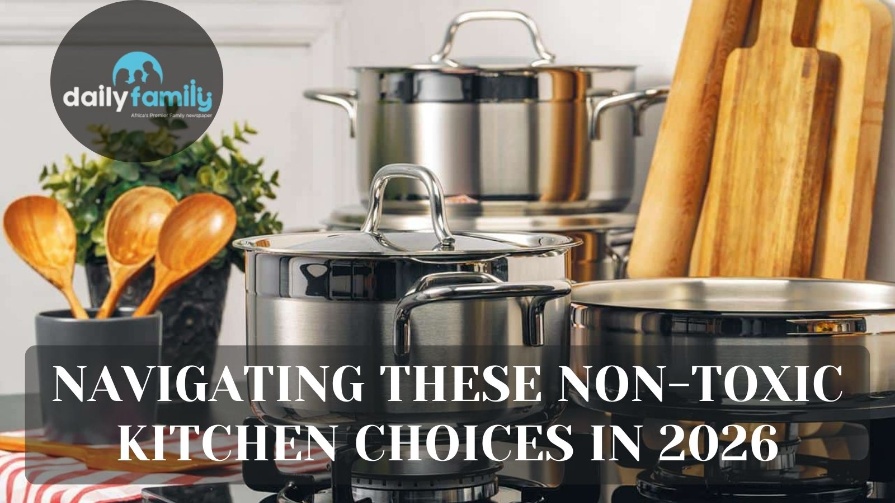
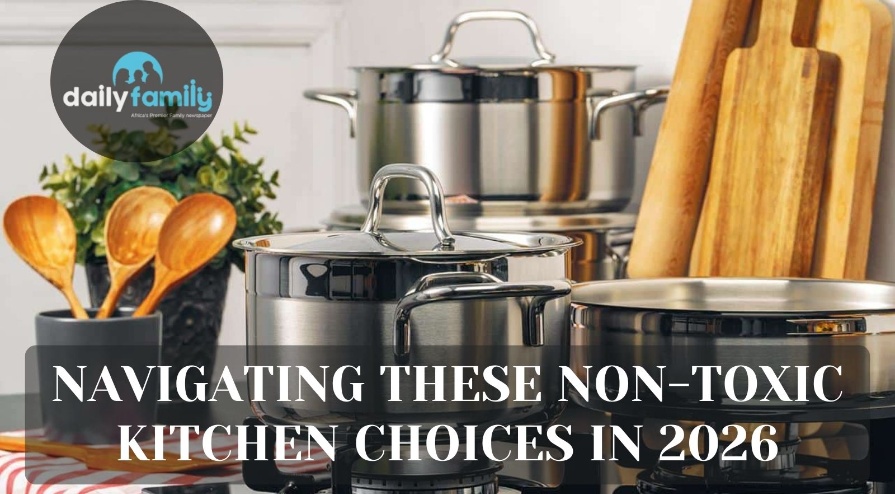
Durable, non-reactive, and dishwasher-safe. Excellent for pots, pans, utensils, and storage containers. It doesn’t have a non-stick coating, so it requires a bit of oil and proper preheating, but food releases easily once hot. Top choice for longevity and safety.
Cast Iron
Naturally non-stick when properly seasoned, incredibly durable (often lasting generations), and adds a small amount of dietary iron to food (a bonus for some). Enameled cast iron eliminates the need for seasoning and is acid-safe. Requires hand-washing and drying to prevent rust, but the effort pays off in performance and safety.
Carbon Steel
A lighter cousin to cast iron that seasons similarly and develops a natural non-stick surface over time. Professional chefs love it for high-heat cooking.
Ceramic-Coated Cookware
Look for brands that test for heavy metals and confirm no nanotechnology additives. While not as eternally durable as stainless or cast iron, high-quality ceramic pans last years with careful use.
Glass
Ideal for food storage (Pyrex or similar borosilicate brands) and baking dishes. Completely inert, microwave-safe, and visible contents make it family-friendly. Oven-safe glass is perfect for casseroles and meal prep.





Comments (0)
Please sign in to join the conversation.
Loading comments...