


Raising a teenager can feel like walking a tightrope. One minute, your child is asking for your opinion, and the next, they are pushing back, eager to express themselves in ways you may not fully understand. From bold fashion choices to evolving personal style, many parents struggle with one big question: How do you guide without controlling?
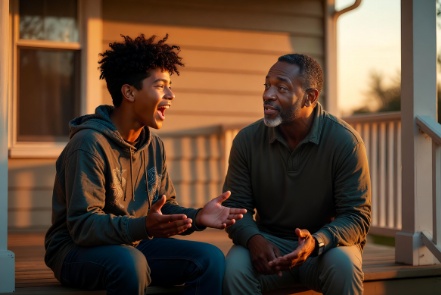
The truth is, style is more than clothes. It is identity, confidence, and self-expression. While it is natural for you, as a parent, to worry, especially about how the world might judge your child, there is a healthier way to navigate this phase.
1. Understand What Style Means to Them
For teenagers, style is not just about looking good. It is about being seen, being heard, and figuring out who they are. That oversized hoodie, colourful hair, or unusual accessory may carry a meaning you do not immediately see. Instead of reacting with criticism, start with curiosity. Ask questions like:
* “What do you like about this look?”
* “How does it make you feel?”
When teens feel understood, they are more open to guidance.
2. Choose Connection Over Control
It is tempting to lay down strict rules about what is acceptable. However, too much control often leads to rebellion or secrecy. Teens who feel policed may simply hide their choices rather than learn from them.
Connection, on the other hand, builds trust. When your child knows you are on their side, they are more likely to listen when it truly matters. Think of it this way. You are not raising a child to obey forever, you are raising a young adult who must make their own decisions.
3. Set Clear but Reasonable Boundaries
Guidance does not mean a lack of structure. It is okay to have boundaries, especially when it comes to:
* School dress codes
* Cultural or family values
* Safety concerns
The key is to explain the why behind your rules. Instead of saying, “You cannot wear that,” try:
* “I am concerned about how this might be perceived in a formal setting.”
* “Let us find something that still feels like you but fits the occasion.”
This approach teaches decision-making rather than blind obedience.
4. Pick Your Battles Wisely
Not every fashion choice needs to be corrected. Bright nails, ripped jeans, or unusual hairstyles are often harmless phases. Ask yourself:
* Is this dangerous?
* Does it go against core values?
* Will this matter in five years?
If the answer is no, it may be best to let it go. Saving your energy for more important issues helps your voice carry more weight when it truly matters.
5. Lead by Example
Teens notice more than you think. If you constantly criticise appearances, yours or others’, they will internalise those messages.
Show them what confidence and self-respect look like. Dress in a way that reflects your values, speak kindly about yourself, and respect differences in others. This silent teaching is often more powerful than any lecture.
6. Encourage Confidence, Not Perfection
Your teen’s style journey will not always be perfect and that is okay. Awkward phases are part of growing up. Instead of pointing out flaws, focus on confidence:
* “You seem really happy in that outfit.”
* “I love how you are expressing yourself.”
Confidence helps teens make better choices, not just in fashion, but in life.
7. Keep the Conversation Open
Guidance is not a one-time talk; it is an ongoing conversation. Create a safe space where your teen can share without fear of judgement. If they make a questionable choice, avoid harsh reactions. Instead, talk it through:
* “How did you feel wearing that?”
* “Would you do anything differently next time?”
These conversations build self-awareness and trust.
8. Respect Their Growing Independence
Teenagers are in a stage where they are learning to stand on their own. Allowing them to make small decisions, like choosing their style, helps prepare them for bigger life choices.
When you, as parents, loosen your grip in safe areas, your teens often respond with greater responsibility.
9. Focus on Values Over Appearance
At the end of the day, what truly matters is not what your teen wears, but who they are becoming. Are they kind? Respectful? Confident? Responsible?
When you shift the focus from appearance to character, style becomes less of a battlefield and more of a conversation.
Final Thoughts
Parenting teens is not about control. It is about guidance, patience, and trust. Style may seem like a small issue, but it often represents something deeper, from identity to independence and belonging.
By choosing understanding over judgement and connection over control, you help your teen grow into someone who not only expresses themselves boldly but also makes thoughtful, confident decisions. One day, they will not just remember what you allowed or refused, they will remember how you made them feel while they were figuring out who they are.


Comments (0)
Please sign in to join the conversation.
Loading comments...