

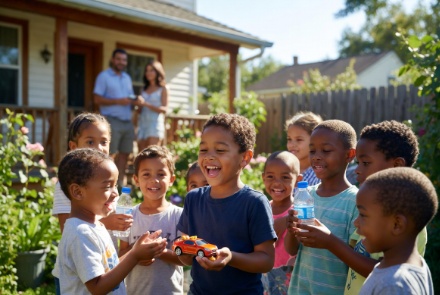
In a world that often celebrates what we own, it is easy for your children to grow up believing that having more is the same as being happier. New toys, new clothes, and the latest gadgets can feel exciting in the moment, but those feelings rarely last. What does last is the quiet, powerful joy that comes from giving.
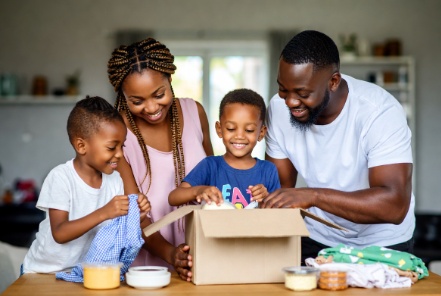
Teaching your children that giving is more powerful than having is not about denying them comfort or joy. It is about helping them discover a deeper kind of happiness, one rooted in kindness, empathy, and connection.
Why Giving Matters More Than Having
Children are naturally observant. They watch how you behave, how you treat others, and what you value. If they see you constantly chasing more, they may grow up thinking that happiness comes from accumulation. But if they see you giving your time, your attention, your resources, they begin to understand a different truth.
Giving builds empathy. When your child shares a toy with a friend or offers help to someone in need, they learn to step outside themselves. They begin to understand feelings that are not their own. This is the foundation of compassion.
Giving also builds gratitude. When your children give, they become more aware of what they already have. Instead of always asking, “What can I get?”, they start asking, “What can I share?”
And perhaps most importantly, giving builds character. It shapes your children into thoughtful, caring individuals who understand that their actions can make a difference, even in small ways.
Start Small, Start Early
You do not need grand gestures to teach generosity. In fact, the most powerful lessons often come from the simplest acts.
Encourage your child to share their snacks with a sibling. Let them help you give clothes they no longer wear to someone who needs them. Invite them to draw a card for a neighbour or a relative who may be feeling lonely. These small, everyday moments quietly teach a big lesson: giving is a normal and meaningful part of life.
Let Them Feel the Joy of Giving
One of the best ways to teach your children about giving is to let them experience it firsthand. When your children give willingly, not by force, they feel a sense of pride and joy that cannot be replaced by material things.
For example, instead of telling your child to donate toys, involve them in the process. Ask them which toys they think another child would love. Let them imagine the smile on someone else’s face. This helps them connect emotionally to the act of giving.
When your children feel that joy, giving becomes something they want to do, not something they are told to do.
Be the Example They Follow
Children learn more from what we do than what we say. This is a point that can't be overemphasised. If they see you being kind, generous, and thoughtful, they are more likely to follow that path.
Do you help others without expecting anything in return? Do you show kindness even when it is inconvenient? Do you speak about others with respect and care? These everyday behaviours send a strong message. They tell your child that giving is not a one-time act; it is a way of life.
Teach Them That Giving Is Not Just About Money
Many people think giving is only about money, but it is so much more than that. Make your children understand that they can give in many ways:
* Time: Helping a friend with homework or assisting at home
* Kindness: Saying kind words or comforting someone who is upset
* Effort: Doing something thoughtful without being asked
* Attention: Listening when someone needs to talk
When your children realise they do not need to be rich to give, they feel empowered. They understand that they always have something valuable to offer.
Balance Giving and Boundaries
While teaching your children to give, it is also important to teach balance. Giving should come from a place of willingness, not pressure or guilt.
Help your child understand that it is okay to keep things they truly value. The goal is not to make them feel they must give everything away, but to help them develop a generous heart. When giving is balanced, it becomes sustainable and genuine.
Celebrate Generosity
When your child shows kindness or generosity, acknowledge it. A simple “That was very thoughtful of you” can reinforce positive behaviour.
However, be careful not to turn giving into a performance. The aim is not praise, but understanding. Over time, the reward becomes internal. The warm feeling of having done something good.
Raising Children Who Make a Difference
Children who learn the value of giving grow into adults who care about others. They become the kind of people who lift others up, who notice when someone is struggling, and who act with kindness even when no one is watching.
In the end, the greatest gift you can give your children is not more things, but better values. When you teach them that giving is more powerful than having, you equip them with something far more valuable than material wealth; a generous spirit. That is something the world will always need.