


In a world that often feels rushed and self-focused, compassion can seem like a rare quality. Yet, the truth is simple. Compassionate children are not born; they are raised.
More often than not, they are shaped not by grand gestures, but by the small, everyday habits they see and experience at home.
As a parent, you do not need to be perfect to raise kind children. You only need to be intentional.
1. Speaking Kindly, Even in Frustration
Children are always listening. The way you speak to them, to each other, and even about others, becomes their blueprint for communication. When disagreements are handled with calm words instead of harsh ones, your children learn that respect matters, even in difficult moments.
A simple “I understand how you feel” can teach empathy more than any lecture ever could.
2. Making “Thank You” and “Please” a Lifestyle
Politeness is not just about manners; it reflects appreciation. When gratitude becomes a daily habit, thanking someone for cooking, helping, or simply being present, your children begin to see kindness as normal, not optional.
Over time, they carry this attitude into friendships, school, and beyond.
3. Helping Without Being Asked
One of the strongest lessons in compassion is learning to notice when someone needs help. When you, as parents, model this, picking up something someone dropped, helping a neighbour, or supporting a tired family member, your children begin to act the same way.
Eventually, they stop waiting to be told. They simply help.
4. Talking About Feelings Openly
Compassion grows where understanding exists. Families that create safe spaces for emotions raise children who are not afraid of feelings; their own or others’.
When a child hears, “It’s okay to feel upset,” they learn not only self-acceptance but also how to be gentle with others going through tough times.
5. Including Others in Small Ways
Inviting a lonely classmate over, sharing food, or simply acknowledging someone who feels left out teaches inclusion. These small acts send a powerful message: everyone matters.
Children raised this way are more likely to stand up for others and less likely to ignore those in need.
6. Apologising and Forgiving
No family gets it right all the time. But when you apologise sincerely, you show your children that being wrong is not shameful, it is human. More importantly, you teach them that making things right matters.
Equally, practising forgiveness at home can help your children understand that people can grow, change, and deserve second chances.
7. Giving as a Family
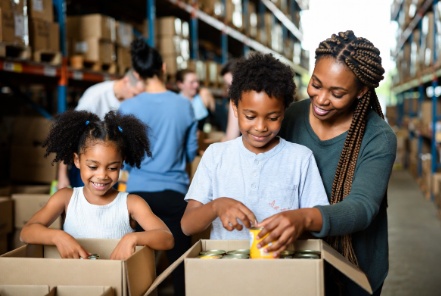
Whether it’s donating clothes, sharing meals, or supporting someone in need, giving teaches your children to look beyond themselves. It doesn’t have to be grand or expensive. What matters is consistency and intention.
When your children are involved in the process, they feel the joy of giving, not just the idea of it.
8. Limiting Judgement, Encouraging Understanding
Children quickly pick up on how adults talk about others. When you, as parents, aoid harsh judgement and instead choose curiosity. Saying things like, “Maybe they’re having a hard day”, your children learn to see people as complex, not just “good” or “bad.”
This mindset builds deeper empathy and reduces the urge to criticise.
9. Sharing Family Stories of Kindness
Stories have a powerful way of shaping values. Talking about moments when kindness made a difference, whether within the family or in the community, can help your children see compassion as something real and impactful.
These stories stay with them far longer than rules.
10. Creating Moments of Connection
Sometimes, compassion begins with simply paying attention. Sitting together without distractions, listening fully, and showing genuine interest in each other’s lives builds emotional awareness.
Children who feel seen and heard are more likely to offer the same to others.
Why These Habits Matter
Compassion is not taught in a single conversation. It is built slowly, through repetition, observation, and experience. The everyday routines from how you speak to how you respond and care become the silent lessons that your children carry into adulthood.
In fact, the impact goes far beyond the home. Compassionate children grow into adults who build healthier relationships, stronger communities, and kinder societies.
A Gentle Reminder for Parents
You do not have to do everything perfectly. Some days will be messy. There will be impatience, misunderstandings, and moments you wish you could redo.
What matters most is consistency, not perfection. In the end, it’s not the big speeches children remember, it’s the little things. The tone of your voice. The way you treated others. The kindness you showed when it wasn’t easy.
That is how compassion is truly taught.

Comments (0)
Please sign in to join the conversation.
Loading comments...