

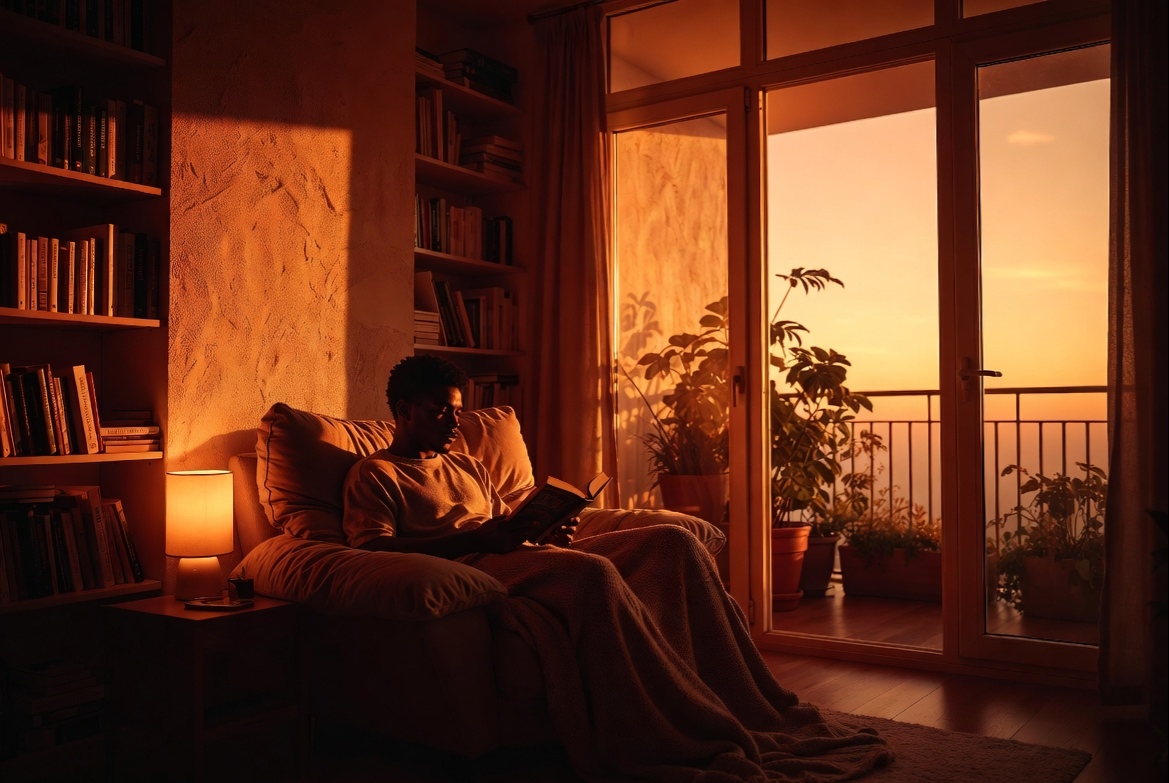
Most of us spend a lot of time making our homes look beautiful. We obsess over paint colours, the right sofa, the perfect curtains. But very few of us stop to ask a deeper question: Does this home feel emotionally safe? Not just tidy or stylish. But genuinely safe, a place where you can breathe, be yourself, cry if you need to, and feel held even when no one else is around.
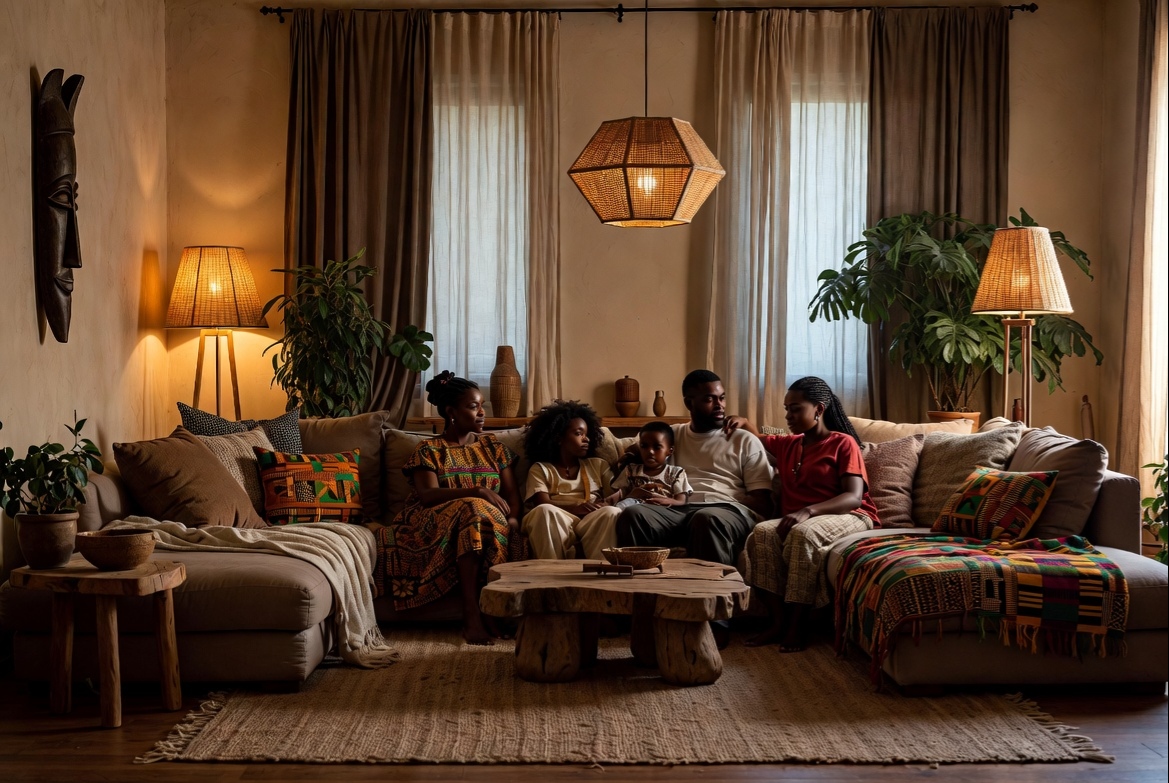
Emotional safety at home is not a luxury. It is a necessity. And the good news is, you do not need a bigger house or a bigger budget to create it. You need intention.
What Does "Emotionally Safe" Actually Mean?
An emotionally safe home is one where you feel free to exist without performing. You are not walking on eggshells. You are not bracing for conflict. You are not shrinking yourself to fit into a space that was never really designed with your well-being in mind.
What Thriving Families Do Differently Every Single Week That You Can Adopt
It is a space where your emotions are welcome, even the difficult ones. Where rest is permitted and your boundaries are respected. Where, the moment you walk through the door, your shoulders drop even just a little. That drop? That is your nervous system saying, "We are safe here."
Start With the People, Not the Furniture
The most beautifully decorated home in the world will feel cold and unsafe if the relationships inside it are built on criticism, control, or silence. Emotional safety begins with how people speak to one another and how they listen.
If you share your home with others, it is worth having honest conversations about what makes everyone feel seen and respected. That might mean agreeing not to raise voices during disagreements. It might mean establishing that sarcasm is off the table when someone is already hurting. Small agreements like these cost nothing, but they change everything.
For those who live alone, emotional safety still starts with the internal dialogue. Are you kind to yourself within your own walls? Do you rest without guilt? Do you give yourself permission to feel things without immediately pushing them away? Home should be where that work begins.
Create Physical Spaces That Support Emotional Ones
Your environment speaks to your nervous system constantly. A cluttered, chaotic space can quietly keep you in a low-level state of stress without you even realising it. This does not mean you need to become a minimalist. It means being intentional about what you surround yourself with.
Try to create at least one corner of your home that is genuinely yours. A chair by a window. A reading nook. A spot in the garden. A place where you go not to be productive, but simply to be. Somewhere that belongs to your peace, not your to-do list.
Lighting matters enormously. Harsh overhead lights keep the brain alert and slightly on edge. Warm, soft lighting, such as lamps, candles, and fairy lights, signals the body that it is allowed to wind down. Consider how light moves through your home across the day and adjust it to match how you want to feel.
Scent is another powerful and often overlooked tool. Familiar, comforting smells, whether that is a particular candle, fresh linen, or something baking in the oven, can trigger a sense of calm that bypasses the thinking mind entirely. Choose scents intentionally for your home, the same way you might choose music for a mood.
Protect the Energy in Your Home
Not everything or everyone that enters your home is entitled to stay. This sounds blunt, but it is important. Your home's emotional atmosphere is shaped partly by what you allow inside it. The conversations, the people, and the content you consume on screens.
Be protective of what you bring in. This might mean not watching distressing news late at night. It might mean having honest conversations about which friendships leave you drained versus those that leave you lifted. It might mean establishing quiet hours, or agreeing that certain rooms, the bedroom, especially, are screens-free zones.
Think of your home as a container for your energy. Leaks happen slowly. Protecting that container is not selfish; it is self-preservation.
Make Room for All Emotions, Not Just the Pretty Ones
An emotionally safe home is not a relentlessly cheerful one. It is one where you are allowed to have a bad day without being fixed, rushed, or told to look on the bright side.
If you have children, this is especially important. When children see that emotions like anger, sadness, fear, and disappointment are not shameful or dangerous, they learn to process them rather than suppress them. The same is true for adults. A home that makes room for the full range of human experience is a home built on truth, and truth is always the foundation of real safety.
A Coming Home Ritual
One of the simplest and most powerful things you can do is create a small ritual for when you arrive home. It does not need to be elaborate. It might be changing out of your work clothes, making a cup of tea, lighting a candle, or sitting quietly for five minutes before picking up your phone.
These rituals serve a purpose. They signal to your mind and body that a transition has occurred. You have left the outside world and stepped into your own. They are tiny, but sending you a message that home matters.
Final Thought
A home that feels emotionally safe is not built in a weekend. It is built in choices. The daily, small, deliberate choices about how you speak, what you allow, what you protect, and how you rest. It is less about perfection and more about presence.
You deserve a home that holds you. So, start building it today.



Comments (0)
Please sign in to join the conversation.
Loading comments...