

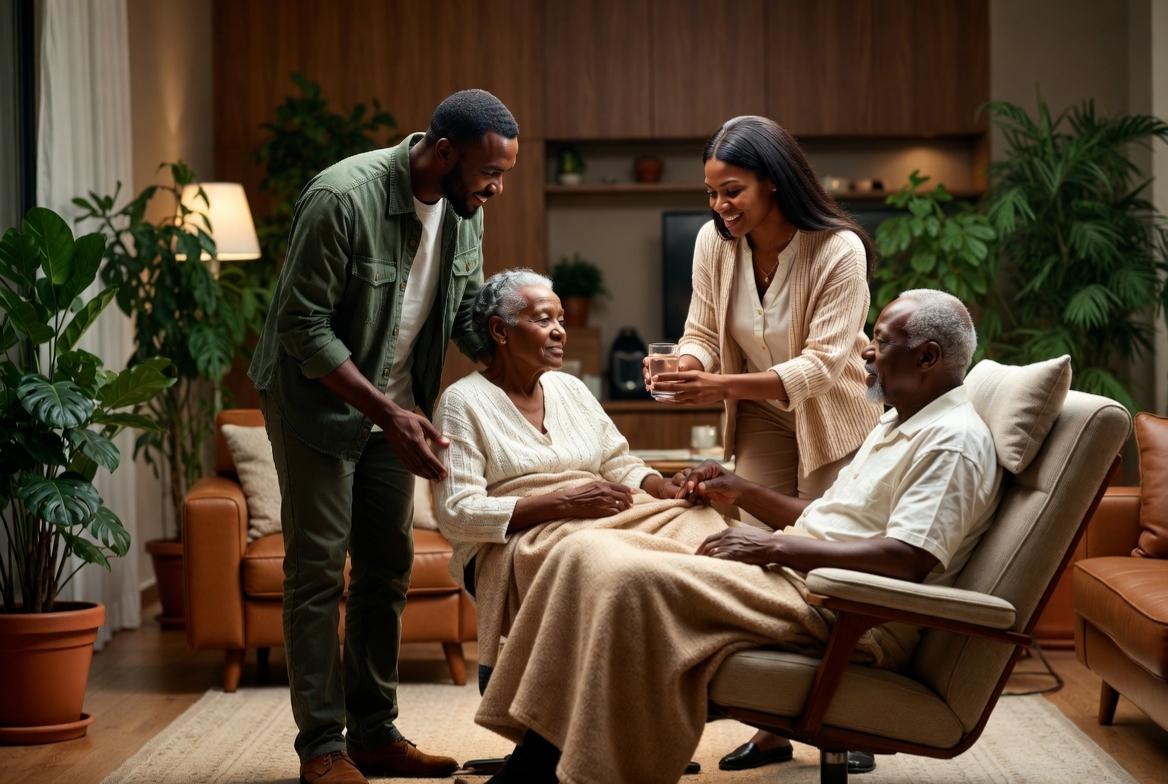
The call came at 2:17 a.m. on a humid Lagos night last October, the kind that makes the generator hum louder than your thoughts. Chinedu Okeke, 48, bolted upright in bed, heart pounding as if he had run from Onitsha to Awka. “Nna anyị,” the voice on the other end cracked, that is his younger brother from back home in Anambra. Their father, Papa Azubuike, 78, had collapsed again and this time, the stroke left one side weak, speech slurred, and the old man’s usual fire dimmed to quiet confusion.
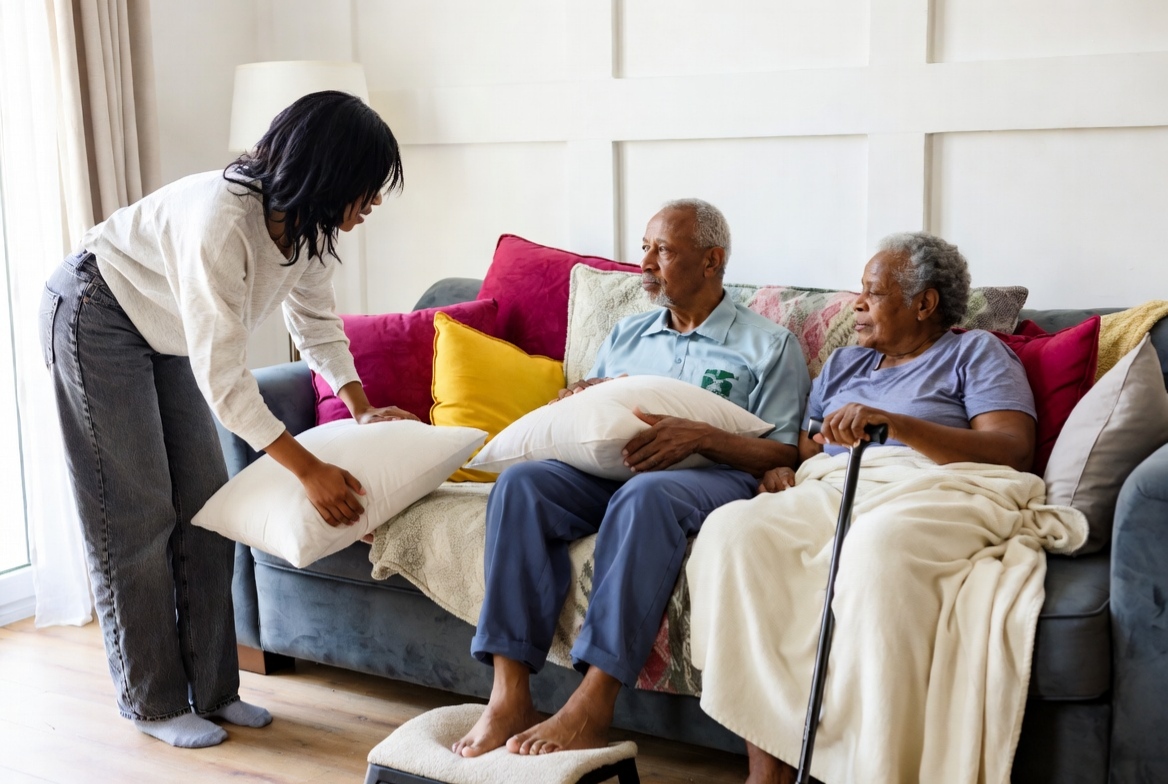
Chineye, his wife of 22 years, was already on her feet, tying her wrapper. “We are going home this weekend,” she said softly, her voice steady even as worry etched lines around her eyes. Their two sons, Obinna, 19, and little Kenechukwu, 14, stirred in the next room. For the Okeke family, this was not just another medical emergency. It was the moment old age stopped being a distant village story and became their daily reality.
Three months earlier, life in their modest Lekki home had felt manageable. Chinedu ran a small logistics firm serving traders between Lagos and the East, while Chineye taught Biology at a secondary school and managed their home with the quiet efficiency of a woman raised in a bustling Nnewi compound. Weekends meant video calls to Papa and Mama Azubuike in their family house at Oraifite. The grandparents always asked about the boys’ grades, sent prayers, and reminded everyone that “ndi okenye bu ndi eze”—elders are kings.
But reality had shifted because Papa’s hypertension, long managed with village remedies and occasional hospital runs, now refused to stay quiet. Mama’s arthritis made fetching water painful. The extended family that once surrounded them had scattered with some to Abuja, others abroad chasing better lives. The beautiful Igbo proverb of “nwa bu nwa ora” (a child belongs to the community) felt stretched thin across states and currencies.
Chinedu still remembers the exact weekend in 2019 when the first warning arrived. They had driven down for Christmas, the boys excited for village football and grandmother’s ofe nsala. Papa, then a spry 72, had laughed off a dizzy spell after climbing the mango tree. “Okenye anaghị egbu egbu,” he boasted: old age doesn’t kill easily. Chinedu had chuckled then, but the memory now carried weight. Back in Lagos, he and Chineye began quietly setting aside money, researching doctors, and talking late into the night about what “our turn” would look like.
By December last year, the family had settled into a new rhythm. Papa came to stay with them in Lagos for proper medical care after the stroke, while Mama rotated between children. The boys’ room became Grandpa’s space, filled with his walking cane, medications, and old photo albums. Mornings started with Obinna helping Papa with gentle arm exercises, Kenechukwu reading headlines from the newspaper aloud. Chineye adjusted her school schedule and learned to prepare soft, low-salt meals that still tasted like home; bitter leaf soup without excess oil, yam porridge enriched with vegetables.
The emotional weight hit hardest in quiet moments. Chinedu would find his father staring at the wall, once-vibrant stories reduced to frustrated gestures. “I used to carry you on my back to farm,” Papa would say slowly. The guilt crept in: had they done enough? Were they failing at this sacred duty? In Igbo tradition, caring for elders is not charity; it is the circle of life closing. You reap what your parents sowed in your childhood. Yet modern pressures made it feel like juggling while walking a tightrope.
One evening, after a particularly tiring hospital visit, Chineye sat the boys down. “Your grandfather carried his own father through tough times. Now it is our watch. This is not a burden; it is honour.” She shared stories from her own upbringing in Nnewi, where her Ada role meant learning early that daughters often become the primary nurses, while sons provide financially. The family divided roles naturally as Chinedu handled bills and doctor coordination, Chineye managed daily care and emotional support, the boys contributed age-appropriate help.
Practical changes made the biggest difference. They created a simple daily routine: blood pressure checks every morning, medication in a marked pill box (Obinna’s idea using an old egg carton), short walks in the compound, and afternoon naps. For Papa’s mobility, they invested in a sturdy walker and non-slip mats. To prevent bed sores and maintain dignity, regular gentle repositioning and hygiene became non-negotiable.
Finances required honesty. Chinedu and his siblings started a family WhatsApp group for monthly contributions — ₦15,000 each for medicines and foodstuff. They explored NHIS enrollment for Papa and looked into community health centres closer to home for follow-ups. No one pretended it was easy. Some months were tighter, forcing choices between new school shoes and refilling prescriptions. “We cut luxuries,” Chineye told her friends at church. “No more impulsive Asaba trips for now.”
They also protected their own future. Chinedu began a small pension savings plan and life insurance review. “We cannot pour from an empty cup,” he reminded himself during late-night budgeting. Talking openly with the boys about money built their financial awareness early, lessons on budgeting, insurance, and the reality that health can change everything overnight.
Emotional care prove as vital as physical; Loneliness creeps in when the body slows. They encouraged Papa to share stories with the boys, tales of the Biafran war survival, village politics, and wisdom on marriage and hard work. These sessions lifted his spirit and taught Obinna and Kenechukwu values no school could match. Chineye played soft highlife music in the evenings, and on good days, they FaceTimed relatives for communal laughter. Small joys like fresh pawpaw, a new singlet, prayers together became anchors.
Challenges remained raw though like days Papa resisted “city medicine,” preferring herbal mixtures from home. Frustration boiled when fatigue made Chinedu short-tempered. Chineye felt the mental load of constant vigilance. They learned to seek help without shame such as rotating care with siblings, occasional paid help for heavy chores, and leaning on church prayer groups. No perfect family exists; only committed ones navigating storms together.
As the harmattan winds of early 2026 blew in, a quiet climax unfolded. Papa’s speech had improved remarkably. One Sunday after church, he gathered the family. With trembling hands, he blessed each person, eyes shining with pride. “You children have made my old age sweet,” he said. “When your time comes, remember: comfort is not just medicine. It is presence, respect, and preparation.”
Chinedu and Chineye exchanged glances, tears close. The experience had reshaped them as they now advocate gently among friends to start health conversations early, document family medical history, build emergency funds, teach children responsibility through small tasks, and maintain cultural ties even in the city. They created a simple family care checklist: regular medical check-ups, home safety audit, nutritional focus on local foods like vegetables and beans, emotional check-ins, and legal basics like power of attorney discussions when ready.
For young couples, the lesson is clear but kind: old age and sickness will come. Facing them with open eyes, divided labour, cultural wisdom, and practical steps turns duty into legacy. Your aged ones do not need perfection. They need to feel valued, comfortable, and part of the story still unfolding.
Chinedu stood at the window that evening, watching his sons play football with their grandfather supervising from a chair. The circle felt complete not unbroken, but beautifully mended with love, learning, and the quiet strength of a family doing what families have always done: holding one another through every season.



Comments (0)
Please sign in to join the conversation.
Loading comments...