

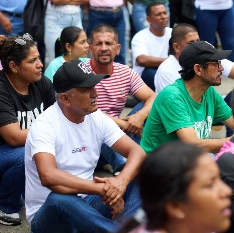
In the wake of U.S. intervention leading to Nicolás Maduro’s capture in early January 2026, Venezuela’s interim authorities promised to free a significant number of political prisoners as a gesture toward national reconciliation and peace.
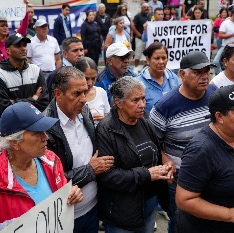
However, as of mid-January, families across the country continue to endure prolonged anguish and uncertainty, with only a fraction of the estimated 800+ detainees according to human rights groups like Foro Penal actually released.
The slow pace has shifted initial hope into frustration, as loved ones wait outside notorious facilities like El Helicoide and Rodeo I prisons for news that often fails to materialize.
The process began with announcements from acting President Delcy Rodríguez and National Assembly head Jorge Rodríguez, who described the releases as an “opening to a new political moment” and a step toward unity. Several high-profile opposition figures, including allies of Nobel Peace Prize winner María Corina Machado, have been freed in recent days, alongside some foreign nationals and U.S. citizens. Yet NGOs and advocacy organizations report that the numbers are far lower than claimed often in the dozens rather than hundreds and many releases lack transparency, with no clear lists of names, detention centers, or timelines provided by authorities.
For families, the emotional toll is immense. Relatives have camped outside prisons for days, holding vigils, chanting for freedom, and clinging to sporadic updates from social media or advocacy groups. Stories of preventable tragedies, such as the death of former police officer Edilson Torres from a heart attack while awaiting release, highlight the human cost of delays. Others describe anxiety over incommunicado detentions, torture allegations, and the fear that their loved ones often opposition activists, journalists, or former officials remain at risk despite promises of change.
The situation has drawn renewed international attention, with Machado emphasizing the need for full, unconditional releases during her recent White House meeting with U.S. President Donald Trump on January 15, where she presented him her Nobel Peace Prize medal in recognition of his role in pressuring for democratic progress.
Opposition voices and rights groups insist that genuine transition cannot occur while hundreds remain imprisoned, urging amnesty laws, proof-of-life confirmations, and swift action to reunite families shattered by years of repression.

Comments (0)
Please sign in to join the conversation.
Loading comments...