


There is something quietly terrifying about bringing a new baby home. You expected the sleepless nights and have prepared for the crying. However, nobody warned you about the strange stuff; the twitching, the grunting, and the sudden staring into what appears to be absolutely nothing. If you are a new parent sitting up at 3 a.m., wondering whether your baby is okay, this one is for you.
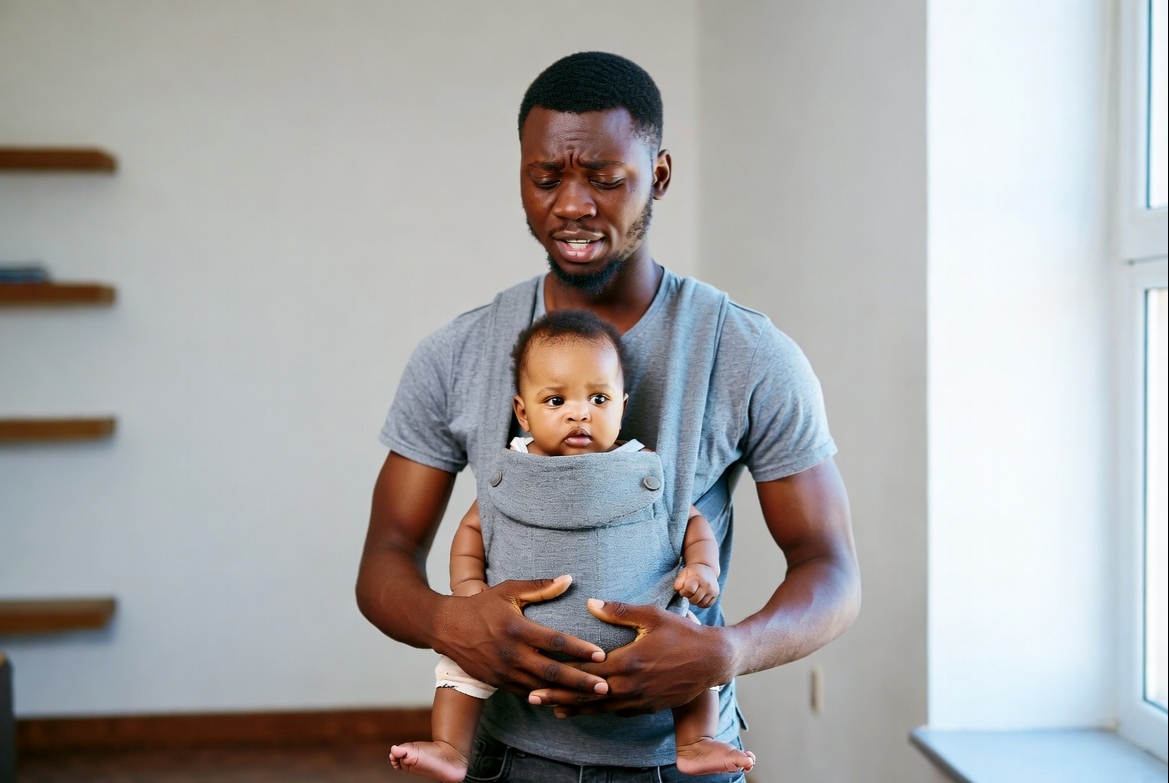
The truth is, babies are wonderfully odd little creatures. Most of what worries parents in those early months is completely normal, even the things that look alarming at first glance. Here are some of the most common unusual infant behaviours and what they actually mean.
Is White Noise Actually Good for Your Child or Are You Just Desperate for Sleep? Find Out
The Startle Reflex (Moro Reflex)
You set your baby down ever so gently, and suddenly their arms fly outward, their eyes snap open, and they look as though they have just seen a ghost. This is called the Moro reflex, and it is one of the most common things that startles new parents. It happens when a baby senses a sudden change, such as a noise, movement, or even a shift in temperature. Their nervous system is still very new and reacts dramatically to the world around them. It typically fades between three and six months. Until then, swaddling your baby snugly before putting them down can help reduce these episodes considerably.
Grunting and Straining During Feeding or Sleeping
Many parents assume grunting means pain or discomfort. Often, it simply means your baby is working hard since their digestive system is brand new and every nappy requires real effort. This is sometimes called grunting baby syndrome, and whilst it sounds serious, it is very rarely a cause for concern. Babies have not yet learned to relax their pelvic floor muscles whilst pushing, so they grunt and go red in the face. As long as stools are soft and your baby is feeding and gaining weight normally, this is just part of the process.
Smiling or Laughing in Their Sleep
You glance over at your sleeping newborn and catch what looks like a smile, maybe even a little laugh. Before you melt completely, know that this is likely spontaneous motor activity during active sleep (what adults call REM sleep). Babies spend roughly half their sleep time in this active state, during which their faces can pull all sorts of expressions. It is not a response to a dream about you, at least not yet, but it is harmless, beautiful, and completely normal.
Cross-Eyed Moments
Newborns do not yet have full control of the muscles around their eyes, so it is perfectly normal to see their eyes crossing or wandering in different directions during the first few months of life. Their vision is still developing, and their eyes are simply learning to work together. Most babies have this sorted by around four months. However, if the crossing appears constant or is still happening after six months, it is worth mentioning to your doctor, as it could indicate a condition called strabismus that may need attention.
Shuddering or Trembling
A baby who suddenly trembles or shudders, especially after crying or feeding, can send a parent's heart racing. In most cases, this is nothing more than an immature nervous system doing its best. Newborns have not fully developed the neurological pathways that regulate smooth muscle movement, so small shudders and trembles are par for the course. The key thing to watch is whether the shuddering happens with full body stiffening or a blank, unresponsive stare. If so, speak to your doctor. However, isolated, brief shudders in an otherwise alert and responsive baby are typically nothing to worry about.
Staring at Walls or "Nothing"
Your baby locks their gaze on a corner of the ceiling and will not look away. Are they seeing something you cannot? Not quite but they are perceiving something. Newborns are drawn to high-contrast edges and light, which is exactly what the line between a wall and ceiling provides. Their visual system is developing rapidly, and they are essentially doing eye exercises. It can look eerie, but it is actually a sign that their vision is coming along nicely.
Hiccups Constantly
Some babies seem to hiccup more than they do anything else. This is because their diaphragm is still maturing, and feeding can trigger it easily. Hiccups are not distressing for babies the way they can be for adults. In fact, most babies sleep right through them. There is no need to try to stop them; they will pass on their own in about 5 to 10 minutes.
When to Actually Worry
Always remember to trust your instincts. If something feels wrong beyond the usual weirdness, do not talk yourself out of seeking help. Signs that genuinely warrant a call to your doctor include persistent high-pitched crying, a sunken or bulging fontanelle (the soft spot on the head), a rash that does not fade under pressure, a high fever, difficulty breathing, or a baby who is limp and unresponsive.
Parenting a newborn is one of the most humbling experiences a human being can go through. You will Google things at midnight that would make your former self laugh. You will watch your baby breathe just to make sure they are still doing it. Also, you will, on more than one occasion, panic over something that turns out to be completely ordinary.
That is not a weakness but love in its rawest, most exhausting, most beautiful form. Your baby is stranger than you expected. So is this whole parenting thing. Somehow, that is exactly as it should be.


Comments (0)
Please sign in to join the conversation.
Loading comments...