

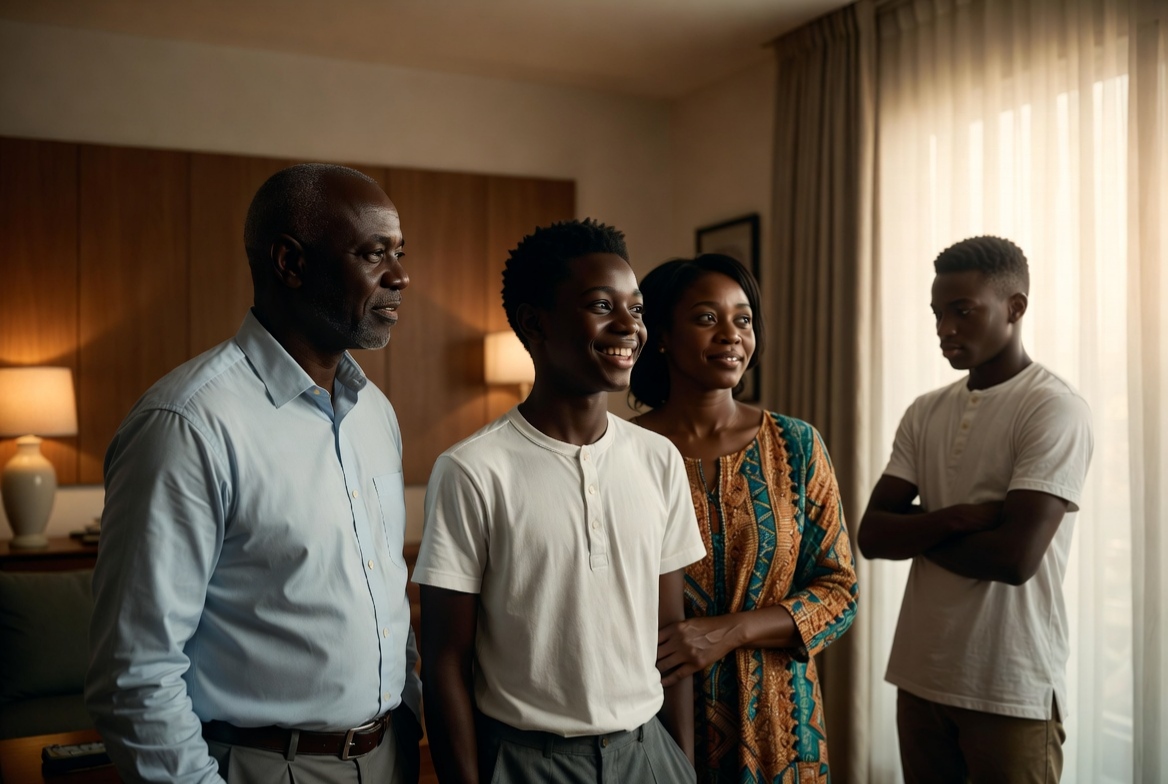
The exam results arrived on a sticky Calabar afternoon in April 2026, the kind where the harmattan dust has long gone and the rains threaten to turn every street into a river. 18-year-old Iniobong Bassey stared at the WAEC slip in his hands, he had three distinctions, credits in the rest then glanced across the sitting room at his younger brother, Ubong, 16, whose own results were solid but not spectacular. Their mother, Mama Nkoyo, let out a piercing shout of joy and lifted Ubong high as if he had just won the village wrestling title. “My champion!” she cried, while Iniobong received only a distracted “Well done” and a quick pat on the back before the conversation returned to how Ubong would enter university. The ache in Iniobong’s chest felt older than the new term.

This was not new and for as long as he could remember in their middle-class home in Calabar, South-South Nigeria, the scale had always tipped toward the “golden child.” Yet on this ordinary Tuesday, something shifted. Iniobong decided it was time to face the neglect squarely, not with anger alone, but with clarity and quiet strength.
Three years earlier, in 2023, the pattern had already been clear during their family trip back to Akpabuyo for Christmas. Their father, Papa Effiong, a retired civil servant, had proudly paraded Ubong around relatives, boasting about his football skills and “sharp brain.” Iniobong, who had just won a state debate competition, stood quietly by the mango tree holding the family’s old photo albums. “You are the quiet one,” an uncle had said kindly. That night, under the thatched roof of their ancestral home, Iniobong overheard his parents whispering: “Ubong carries the family name forward with boldness. Ini must just support him.” The words landed like cold rain on dry skin.
Flashbacks flooded Iniobong as he sat on the veranda that April evening. There was the 2024 inter-house sports day where both boys competed. Ubong came second in his race and received a new pair of trainers the same day. Iniobong, who anchored the relay team to victory, got a “You tried” and shared leftovers from the celebration rice. School fees were always paid first for Ubong’s extra lessons, while Iniobong sometimes had to wait or improvise with free YouTube videos. Birthdays highlighted the gap: Ubong’s parties were loud and full of friends; Iniobong’s were quiet family dinners.
These moments were not born from hatred because Papa and Mama were good people — church-going, hardworking Cross River parents who survived the economic squeezes of fuel subsidy removal and rising costs. But somewhere along the line, cultural preference for the “lively” or “last born” son, combined with their own unexamined biases, created a visible favourite. Many families in the homes quietly navigate this, where one child seems to shine brighter in parental eyes.
The emotional toll revealed itself gradually and by mid-2025, Iniobong had begun withdrawing, his once-bright smiles during family prayers dimmed. He threw himself into books and side hustles repairing phones for neighbours, earning small money that bought his own textbooks. The neglect chipped at his confidence; some days he wondered if he was truly invisible. His sister, Ekaette, 17, noticed and became his quiet ally. “You are not less,” she would whisper when Mama praised Ubong’s every small achievement in the kitchen while Iniobong’s report cards gathered dust on the shelf.
One difficult evening in January 2026, after another comparison-filled family meeting about future careers, Iniobong confronted the mirror. The boy staring back looked tired but determined. He realised the first practical step was acceptance without bitterness. Understanding that parental favouritism often stems from their own fears, dreams, or cultural lenses — not from your worth — freed something inside him. It did not excuse the pain, but it stopped him from internalising rejection as truth.
Building inner resilience became his daily work and Iniobong started journalling three things he did well each day, no matter how small. He reconnected with his late grandmother’s wisdom from their village visits: “A tree does not grow tall by competing with another in the same soil; it finds its own light.” He sought mentors outside the home — a teacher at school who recognised his analytical mind and recommended him for a coding bootcamp scholarship. Small wins accumulated: fixing a neighbour’s laptop earned praise from strangers and money for his own data bundles.
Practical boundaries protected his peace. He learned to politely redirect conversations when comparisons arose. “I am happy for Ubong, Papa. Let me also share what I achieved this term.” It was not rebellion; it was claiming space. With Ekaette’s support, the siblings created their own “success corner” in their shared room by tracking personal goals, celebrating each other’s milestones with roasted plantain and soft drinks bought from their hustles. They avoided badmouthing their parents but focused on facts in calm moments.
Finances taught hard lessons too. Iniobong saved every kobo from his repairs, opened a simple PiggyVest account, and researched scholarships early. He understood that waiting for equal parental investment might delay his dreams, so he positioned himself to reduce dependence, empowering him without cutting family ties.
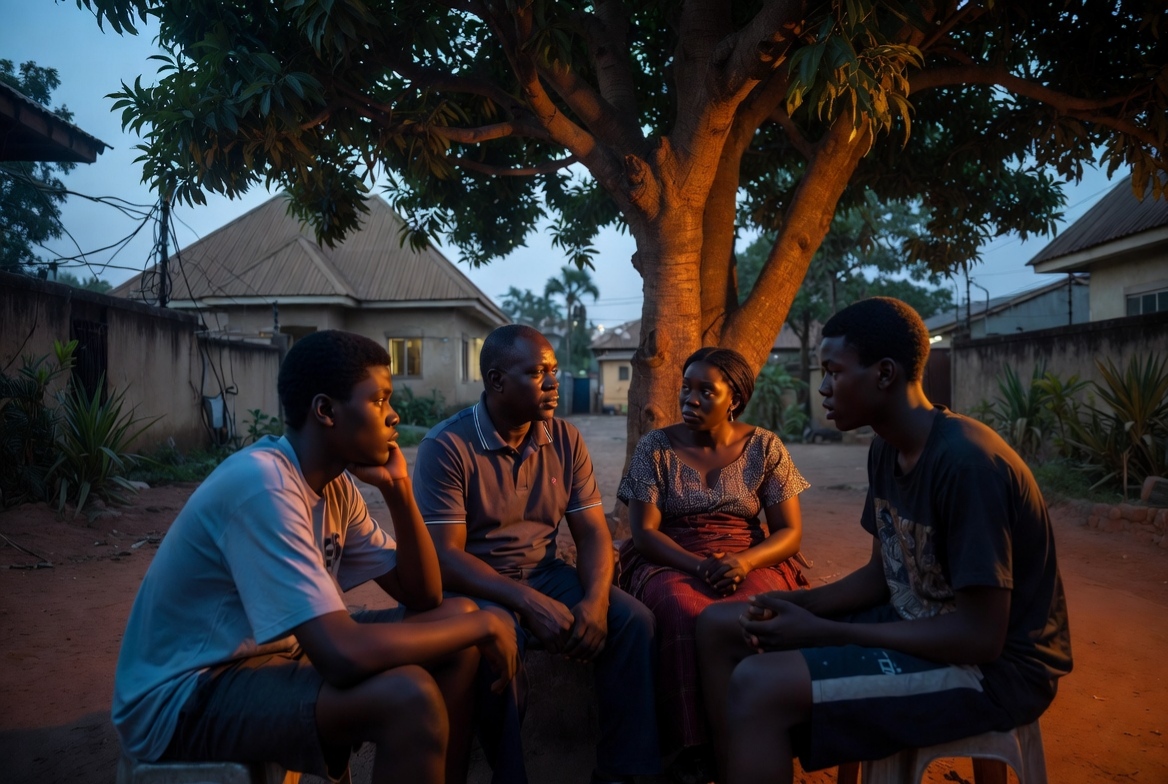
Communication, when timed right, opened small doors. In March 2026, during a quiet power outage night, Iniobong sat with his father on the veranda as crickets sang. “Papa, I know Ubong is special to you. I love him too. But sometimes I feel my efforts are not seen, and it makes me question myself.” Papa Effiong was silent for a long time, then shared his own childhood story of being the overlooked second son who vowed to make his own “star” child. The conversation did not fix everything overnight, but it planted seeds. Mama Nkoyo later joined one such talk, admitting the ease of flowing with the more outgoing child while assuming the quiet one needed less.
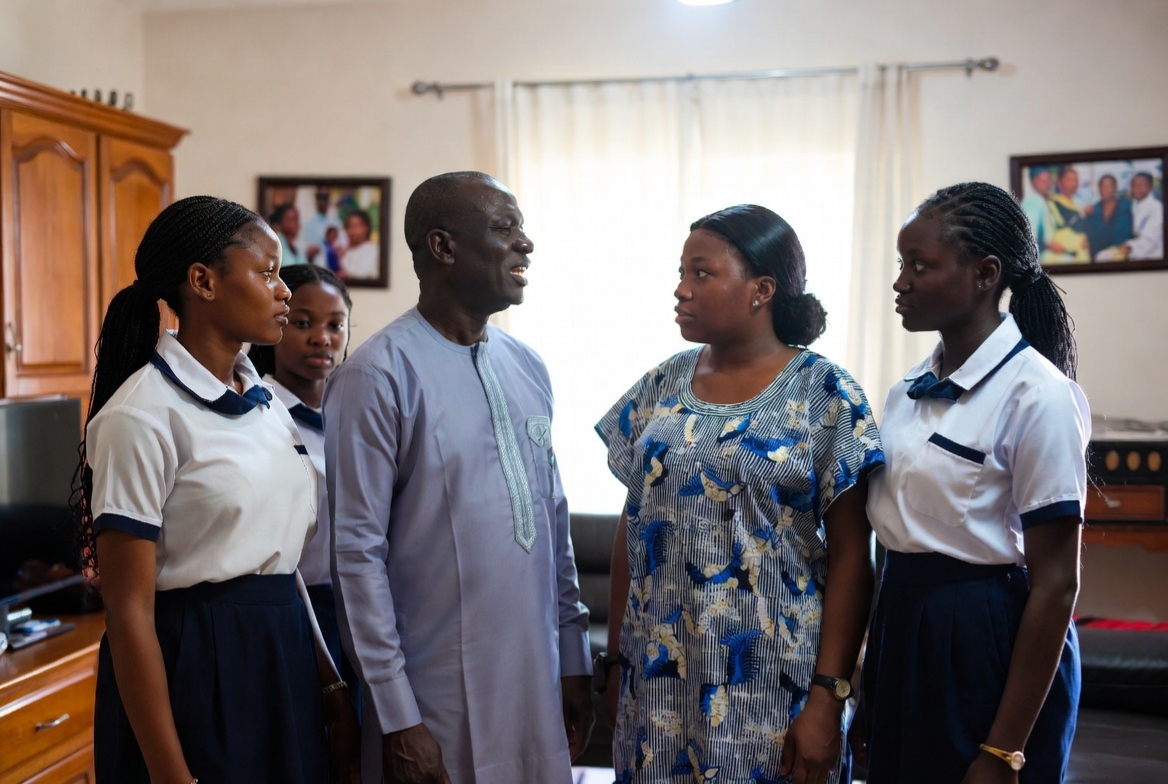
By late April 2026, the story reached its quiet but powerful climax. Iniobong received news of his coding scholarship acceptance on the same day Ubong struggled with a subject. Instead of competition, the family gathered. Iniobong presented his achievement humbly. For the first time, Mama Nkoyo looked at him with fresh eyes and said, “My son, you have carried yourself well.” Papa nodded, pride slowly dawning. The boys and Ekaette laughed together as they ate ekpang nkukwo prepared specially that evening.
The experience reshaped the Bassey household. Iniobong learned he could honour his parents while refusing to shrink. He now shares gentle advice with peers facing similar situations: document your feelings privately, build skills and savings independently, find external validation through mentors and community, maintain respect but set emotional boundaries, and remember your worth is not decided by parental spotlight. Families can evolve when one member chooses growth over resentment.
As the family sat under the mango tree that humid evening, watching fireflies dance, Iniobong felt lighter. The neglect had hurt, but it forged steel in his spirit. His parents had their favourite, yet he had chosen himself — and in doing so, invited the whole family toward fairer love.

Comments (0)
Please sign in to join the conversation.
Loading comments...