

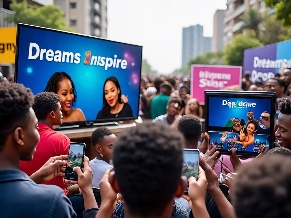
For many young Nigerians, reality TV is more than just a weekend pastime it’s a lifestyle.
Shows like Big Brother Naija, The Voice Nigeria, and other popular competitions have taken over screens, phones, and social media timelines. Teens and young adults are glued to the drama, the romance, and the glamour, often replaying clips, sharing memes, and debating contestants long after the episode ends.
At first glance, reality TV looks like pure entertainment. But for youth, it has a real impact on how they see themselves and the world. Watching contestants suddenly rise from obscurity to fame and wealth can be inspiring. Many young people feel that if a contestant can make it big with just talent or charm, so can they. It sparks hope and ambition—especially in a country where opportunities are often limited and success can feel out of reach.
Yet, not all lessons are positive. Reality shows thrive on drama, conflicts, and sometimes provocative behavior. Arguments, manipulation, and flirting often take center stage. Unsuspecting youth may begin to believe that these behaviors are normal or even necessary to gain attention and popularity. Social media intensifies this effect, with viral clips, memes, and debates creating a feedback loop that encourages young viewers to mimic what they see on screen.
Parents, guardians, and educators have noticed the shift. Many are concerned that some young people prioritize chasing internet fame over schoolwork or personal growth. They see children copying styles, language, and even risky behaviors without fully understanding the consequences. Yet, telling a young person to stop watching reality TV rarely works. The key lies in conversations talking about what’s real, what’s scripted, and what is just entertainment.
It’s not all negative, though. Reality TV also reflects the hopes and struggles of Nigerian youth. It showcases creativity, resilience, and ambition. When approached with guidance, young people can extract inspiration without losing their values. They can learn about entrepreneurship, confidence, and teamwork while still knowing the difference between TV drama and real life.
At the end of the day, reality TV is a mirror. It reflects the dreams, struggles, and desires of young Nigerians but it can also distort reality if consumed without perspective. Families, mentors, and society have a role to play in helping youth navigate this media landscape. Because while the shows are entertaining, the lessons they take from them will shape the adults they become.
Reality TV is fun, engaging, and sometimes scandalous but Nigerian youth deserve to enjoy it without letting it define who they are.



Comments (0)
Please sign in to join the conversation.
Loading comments...