

Today, with adverts flashing on screens and shops tempting us with the latest toys and gadgets, it can be tough to teach children the value of gratitude. Kids are surrounded by material things, from shiny new phones to endless online shopping options.
However, gratitude is not just a nice word. It's a key to happier, healthier lives. As parents, we want our children to appreciate what they have, rather than always wanting more. Hence, the reason to learn practical ways to instill it in your kids.
What It Means to Be Grateful
Gratitude means being thankful for what we have, big or small. It's about noticing the good things in life and saying "thank you" for them.
Studies show that grateful people are happier, less stressed, and even sleep better. For children, learning gratitude early can help them build strong relationships, cope with disappointments, and grow into kind adults.
In a world full of consumerism, where social media shows perfect lives and endless wants, teaching gratitude is more important than ever. It helps kids focus on experiences and people, not just stuff.
But, Why Is It So Hard?
The material world bombards children with messages that say, "Buy this to be happy." From cartoons promoting toys to influencers showing off luxury items, kids learn to link joy with possessions.
For example, the rise of online shopping and festive seasons like Christmas or Eid can amplify this. Parents might feel pressure to keep up with the latest trends to stay up to date with peers. Yet, over time, this can lead to entitlement, where kids expect things without effort or appreciation. Studies from organisations like the World Health Organisation highlight how materialism is linked to lower well-being in young people.
So, How Do We Turn This Around?
Start small and be consistent. One key way is to model gratitude yourself. Children learn by watching. If you say "thank you" to the shopkeeper or express joy for a home-cooked meal, they notice. Share your own grateful moments at dinner, "I'm thankful for our family time today." This sets a tone without lectures.
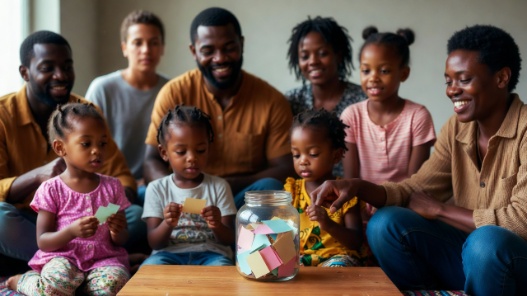
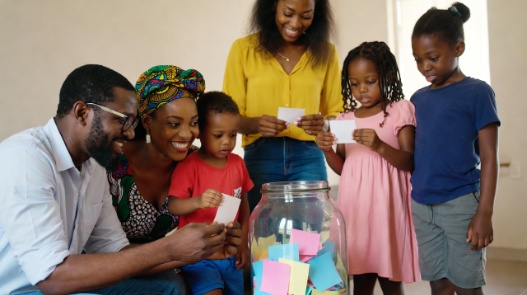
Another approach is daily gratitude routines. Try a "gratitude jar." Get a simple jar and slips of paper. Each evening, family members write one thing they're thankful for and pop it in. At the end of the week or month, read them aloud. It's fun and reminds everyone of the positives. In a material world, this shifts focus from "what I want" to "what I have." For younger kids, make it visual, such as drawing pictures instead of writing.
Teaching through stories is powerful, too. Read books or local tales that emphasise sharing and thankfulness. Discuss the characters, "How did the boy feel when he took everything? What could he have done differently?" Stories make abstract ideas real and spark conversations.
Volunteering as a family naturally builds gratitude. Visit a local charity, like helping at a food bank or cleaning a community park. Seeing others' needs helps kids value their own blessings. Some families even take their children to donate old toys during birthdays. These kids learn that giving brings joy, not just receiving.
Limit screen time and consumerism. Set rules like "no ads during TV time" or discuss adverts critically, "Do we really need that toy, or is it just fun to look at?" Encourage experiences over things, like a picnic at the park, instead of buying new games. This teaches that happiness comes from moments, not materials.
Praise effort and kindness, not just possessions. Instead of "What a nice new bike!", say "I'm proud of how you saved your pocket money for it." This links gratitude to hard work.
Challenges will arise. Teens might resist, saying it's "uncool." Be patient; share how gratitude helped you in tough times. If materialism creeps in, like demands for expensive phones, set boundaries with explanations like, "We appreciate what we have, and this teaches responsibility."
Incorporate cultural elements. In Nigerian families, proverbs like "He who is grateful for yesterday's gift will receive today's" can reinforce lessons. During family gatherings, share thanks for ancestors or community support.
Games make it engaging. Play "Gratitude Scavenger Hunt" like finding things around the house that you're thankful for, like a comfy bed or a favourite book. For older kids, a gratitude journal where they write three things daily sounds good. Apps like "Grateful" can help as well, but keep it offline mostly.
Address peer pressure. Kids see friends with gadgets and feel left out. Talk openly, "It's okay to want things, but let's be thankful for our health and home." Role-play scenarios like "What would you say if a friend brags about their new toy?" can help as well.
Science backs this up. A study by the University of California found that grateful teens have better mental health and fewer behaviour problems. In schools, programmes like positive psychology classes teach gratitude through exercises.
Don't forget self-gratitude. Teach kids to appreciate their own qualities by saying things like, "I'm thankful for my drawing skills." This builds self-esteem in a world of comparisons.
As kids grow, evolve the lessons. For toddlers, simple "thank you" songs. For primary schoolers, thank-you notes after gifts. Teens can volunteer independently or track gratitude in planners.
Overcoming obstacles like busy schedules? Make gratitude quick, a one-minute chat at bedtime. Cultural materialism? Blend traditions with modern twists, like thankful prayers before meals.
Benefits extend beyond individuals, too. Grateful families are closer and experience less conflict. Society gains too, as we are left with more empathetic citizens.
In conclusion, teaching gratitude in a material world is challenging but rewarding. By modelling, routines, stories, volunteering, and limits, you can equip your kids to find joy in the intangible. So, start today because the ripple effects last a lifetime.
Comments (0)
Please sign in to join the conversation.
Loading comments...