

It is no news that school does a great job teaching ABCs, math, and history. However, what about the stuff that really helps kids thrive as grown-ups? Things like managing money, cooking a quick meal, or dealing with tough feelings? These "life skills" often get skipped in classrooms, leaving kids to figure them out later, sometimes the hard way.
As parents, you can step in and teach these at home. It doesn't need fancy classes or books. Just everyday moments turned into lessons.
Think chatting over dinner or fixing something together. These skills build confidence, independence, and stronger family bonds. Plus, kids love feeling "grown-up" when they learn them!
Take a look at some of these key life skills that kids miss in school and some simple ways you can teach them.
1. Financial Literacy
This entails handling money wisely. School might teach basic math, but not how to budget or save. In a world of instant buys and ads everywhere, kids need this early to avoid debt traps later. What do you do?
Start simple. Give pocket money (even N500 a week) and help them divide it. Save some, spend some, give some (maybe to charity). Use jars labeled "Save," "Spend," "Give." Explain why saving matters by saying something like, "This can buy that toy you want next month."
Teach shopping smarts. Take them to the market. Compare prices, "This orange is N50 here, but N40 there. Which is better?" Show how to spot deals or avoid impulse buys by asking, "Do we need this, or just want it?"
For older kids, open a simple bank account (many banks have kid options). Discuss interest by telling them, "Your money grows if you leave it!" You can also incorporate role-play paying bills or using mobile money apps safely.
Share your money stories. "I once spent all my allowance on sweets and regretted it." This humanizes it, shows mistakes are okay, and builds trust.
2. Emotional Intelligence
It encompasses managing feelings and relationships. Kids learn facts in school, but not always how to handle anger, sadness, or make friends. This skill helps with bullying, stress, or future jobs.
Begin with naming emotions. When they're upset, say, "You seem frustrated. Want to talk?" Use a "feelings chart" with faces (happy, sad, angry) to help little ones point and explain.
Teach empathy. Ask, "How do you think your friend felt when that happened?" Role-play scenarios like sharing toys or apologizing. Praise kind acts by saying, "That was thoughtful, you made your sister smile!"
For stress, show breathing tricks. "Inhale like smelling flowers, exhale like blowing candles." Share your calm-down methods. You can relate your experience by saying things like, "When traffic stresses me, I listen to music."
Build social skills. Practice greetings, eye contact, and listening. At family gatherings, encourage chatting with relatives. Online safety ties in, so teach kind digital words and ways to spot fake friends.
Lastly, admit your emotions as well. "I'm feeling tired today, so let's hug it out." It shows them that feelings are normal for everyone.
3. Basic Cooking and Nutrition
School lunches are great, but kids need kitchen know-how for healthy eating and independence.
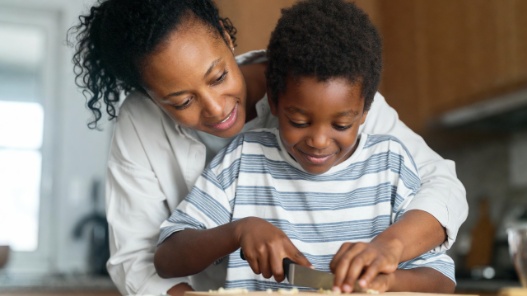
Start safe. For toddlers, washing fruits or stirring batter. Older ones can chop veggies (with supervision) or make sandwiches.
Simple recipes. Teach boiled yam with sauce, jollof rice basics, or fruit salads. Explain nutrition in this manner: "Carrots help your eyes, eggs build muscles." Make it fun by saying, "Let's build a rainbow plate with colorful foods!" Doing all of these keeps them interested.
Grocery shopping lesson. Make a list together to avoid extras. At home, read labels: "Less sugar means more energy without crashes."
Clean-up rule. Always sing the mantra, "We cook, we clean" in your kid’s ears. This teaches responsibility.
Remember burning your first meal? Laugh about it. "My first eggs were rubbery, but practice made them perfect!" With real-life illustrations like this, kids learn that failure is part of learning.
4. Time Management and Organization
With homework and play, kids struggle without these skills, leading to procrastination or chaos.
Use timers. For chores, turn it into a fun race: “Can we tidy all the toys in just 5 minutes?” This playful challenge shows kids there’s always enough time for everything when we focus and move quickly together.
Prioritize. Teaching kids time management is easy: Make a simple “help list” together, like “Homework first, then play.” For big tasks, break them into tiny steps, e.g., “Clean your room? First the bed, then the floor.” This makes jobs feel smaller and doable.
Tools. Teach them how to use simple planners or apps designed for teens. Teach saying no gently, saying, “You can’t do everything, so pick what truly matters to you.” This builds healthy boundaries and focus.
Share your schedule. Say things like "I plan work to have family time." This models the balance you’re trying to teach.
5. Basic Home Repairs and Safety
Schools don't cover fixing a button or changing a bulb, but these build self-reliance. While teaching this, ensure that you follow these steps.
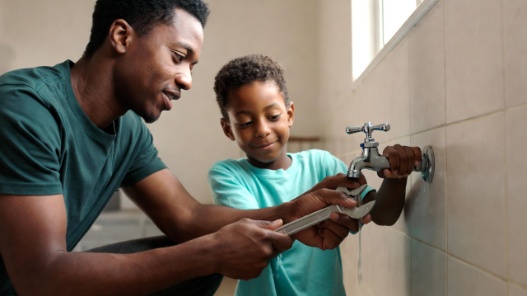
Start small. Begin by teaching your kids how to sew a loose thread or use tools safely. You can also teach first aid, like how to bandage cuts and what to do in emergencies.
Home safety. Fire drills, stranger danger, and road crossing. For places that are prone to floods, show packing emergency bags.
Fun way. "Fix-it day," where you tackle small repairs together. Give praises by saying, "You tightened that screw, great job!"
6. Communication Skills
It addresses speaking and listening. Beyond essays, kids need clear talking for jobs or relationships.
Practice. Hold short family meetings where everyone shares one high (happy moment) and one low (tough moment) of the day. Teach polite asks by practicing, “Please pass the water” and “Thank you” while making eye contact. This builds listening, gratitude, and respect.
Conflict resolution. Teach kids to use "I feel" statements during arguments, like: "I feel sad when you take my toy without asking." Role-play scenarios together. For instance, act out a fight, then practice calm "I feel" responses. This reduces blame and helps express emotions clearly.
Public speaking. Encourage kids to tell stories or share family news during dinner or meetings. It builds confidence, speaking skills, and family connection.
Let your kids know that you get nervous talking sometimes as well and that constant practise helps to enhance communication skills.
7. Digital Literacy and Online Safety
Screens are everywhere, but schools might skip safe use. So, teach your kids strong passwords, spotting scams, and kind online behavior.
Limit screen time with clear rules like “Screens off after 8 PM, no exceptions.” Research fun facts together online, then discuss privacy: “Never share personal info like your address or school name.” This keeps kids safe and balanced.
8. Environmental Awareness and Responsibility
Teach sustainability by showing your kids simple actions like how to sort recyclables (plastic, paper, cans), turn off taps while brushing teeth to save water, and plant seeds in pots or a small home garden.
Do fun activities like starting a family herb garden or joining community clean-ups. Explain gently that small acts like these can help keep our planet clean and healthy for everyone.
Teaching these skills isn't extra work. It's woven into daily life. Start with what excites your kids, be patient, and celebrate wins. In the end, these will prepare them for real challenges like independence or family roles.

Comments (0)
Please sign in to join the conversation.
Loading comments...