


Sleep is more than just closing your eyes and letting the night pass. It is a vital part of your health and affects everything from your mood to your heart.

What many people overlook is that the position you sleep in can have a big impact on your body. Whether you lie on your back, your side, or your stomach, the way you rest can either relieve tension and improve circulation or create problems over time.
Keep scrolling to find out the most common sleeping positions, how they affect your health, and tips for waking up feeling truly refreshed.
12 Hidden TB Triggers In Your Home
The Connection between Sleep Position and Quality
Sleep posture matters because your spine, muscles, and organs respond differently depending on how you lie down. Poor posture can lead to chronic pain, interrupted sleep, and even digestive or breathing problems. On the other hand, the right position can reduce stress, improve breathing, and enhance circulation.
1. Sleeping on Your Back
Sleeping on your back is often considered the best position for overall spinal alignment. It keeps your head, neck, and spine neutral and reduces pressure points. It can also help prevent facial wrinkles because your face is not pressed against a pillow. Sleeping on your back can reduce acid reflux if you prop your head slightly on an elevated pillow.
However, it can worsen snoring or sleep apnoea because gravity can pull your tongue back into your throat. It may also be uncomfortable for pregnant women as it can reduce circulation.
Hence, using a small pillow under your knees can help maintain the natural curve of your spine and support your lower back.
2. Sleeping on Your Side
Side sleeping is the most popular position worldwide and offers many health benefits. It can reduce snoring and is ideal for people with sleep apnoea. Sleeping on the left side can also help with heartburn and acid reflux. It can also improve lymphatic drainage, which helps the body remove toxins.
That said, it can equally lead to shoulder or hip pain if your mattress is not supportive enough and can cause facial wrinkles from pressure on one side of your face.
Therefore, placing a pillow between your knees can keep your hips aligned and reduce lower back strain. Pregnant women are often advised to sleep on their left side to improve blood flow to the baby and vital organs.
3. Fetal Position
A variation of side sleeping, the fetal position involves curling your knees towards your chest. It can reduce snoring significantly, relieve lower back pain, and ease pregnancy discomfort. This position can also feel comforting and secure.
Yet, curling too tightly may restrict deep breathing and cause stiffness.
On the upside, keeping your body relaxed and stretching gently before bed can prevent discomfort.
4. Sleeping on Your Stomach
Sleeping on your stomach is generally less recommended, though some people find it most comfortable. It may reduce snoring and can be soothing for people with sleep anxiety.
The drawbacks include placing strain on the neck and spine, causing pain. It can also compress nerves in the arms and shoulders and increase pressure on joints.
However, using a very soft pillow or no pillow at all and keeping your head straight can reduce neck strain.
Impacts of Pillows and Mattresses
The right pillow and mattress make a huge difference regardless of your sleeping position. Memory foam pillows, ergonomic mattresses, and adjustable beds help maintain spinal alignment. When you have proper support, it reduces pressure points, minimises aches, and improves sleep quality.
How Sleep Position Affects Health
Back sleeping supports spinal alignment and prevents postural problems. Left-side sleeping can aid heart function and circulation and reduce acid reflux. Side positions affect breathing and can reduce snoring.
Overall, comfortable sleep reduces stress hormones and improves mood. Pregnant women benefit from side sleeping because it enhances blood flow and oxygen supply.
In a nutshell, understanding and adjusting your sleep posture can lead to deeper, more restorative rest, better physical health, and an improved mood.
Practical Tips for Better Sleep
Everyone’s body is different. Factors such as body weight, health conditions, and comfort preferences influence which position is best. Persistent pain, snoring, or interrupted sleep may be a sign that adjusting your sleep posture could help.
* Try different positions to see which leaves you feeling refreshed.
* Use pillows to align your neck, knees, or back.
* Choose a mattress that supports your preferred sleeping position.
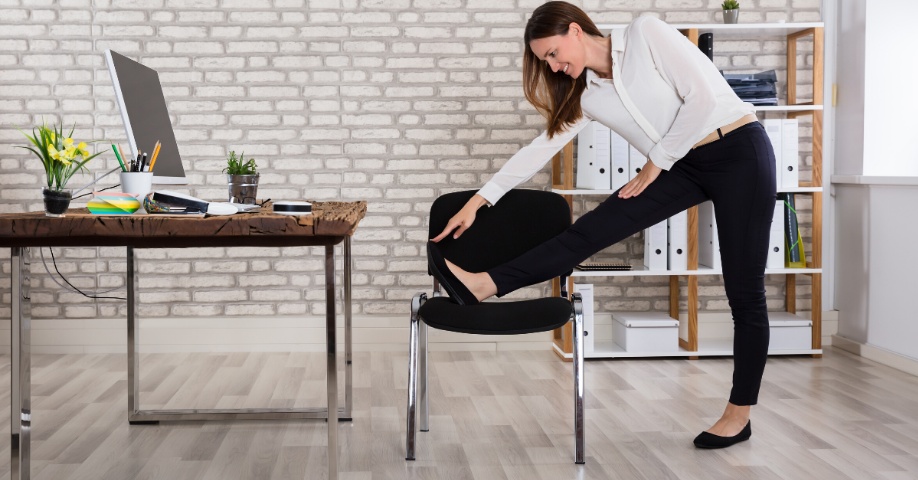
* Gentle stretching before bed can relieve tension.
Pay attention to how your body feels in the morning, as it is a good indicator of whether your sleep position is effective
Conclusion
Sleep is a vital foundation for health, and the position you sleep in plays a huge role. Back sleeping supports spinal alignment, side sleeping benefits digestion and heart health, fetal positions bring comfort, while stomach sleeping should be approached cautiously. Small changes in your sleep position could make the difference between waking up stiff and tired or refreshed and energised. Your body deserves the best rest possible

Comments (0)
Please sign in to join the conversation.
Loading comments...