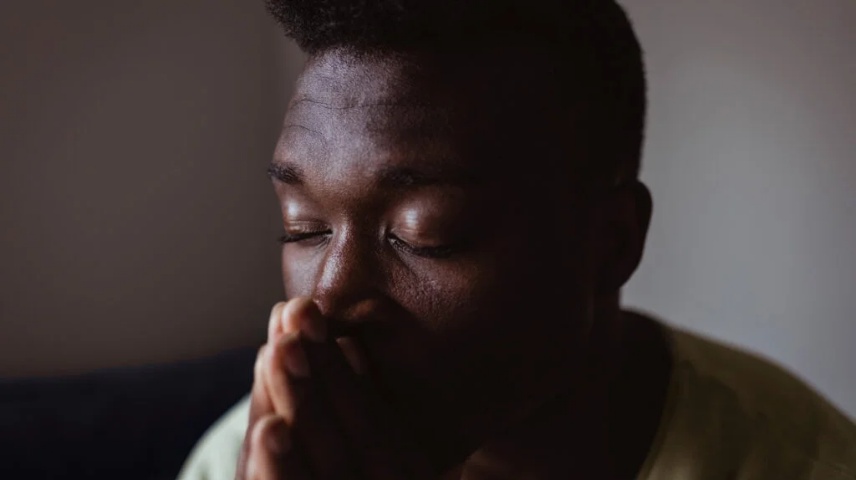

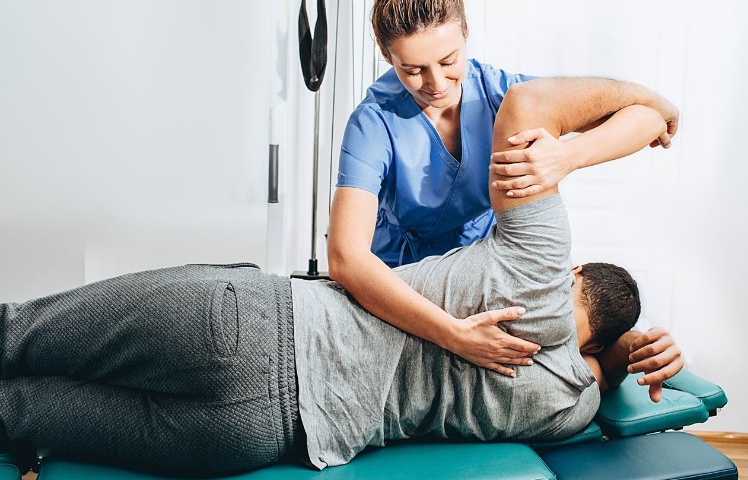
Your husband, usually the strong one who carries the heavy loads in the house, bends to lift the gas cylinder or helps the children with their school bags and suddenly winces, “My back,” he mutters or maybe he notices his shirts fitting looser around the shoulders even though the belly is still there. At 45, he jokes about “old age things,” but you both sense something shifting as he tires faster during weekend football with the boys or struggles to carry the youngest on his shoulders without feeling it the next day.
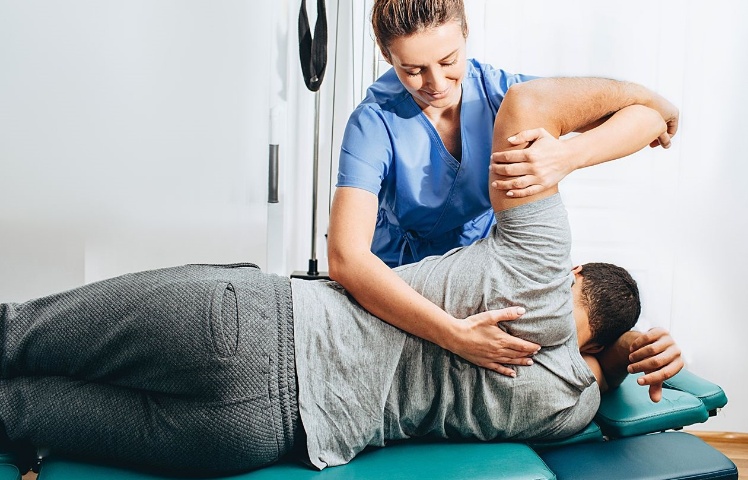
This is not just “getting older", for many Nigerian men in their 40s and beyond — whether bankers, teachers, traders, or civil servants — muscle loss (sarcopenia) and weakening bones (osteoporosis risk) creep in quietly. The good news is strength training offers a powerful, practical way to push back. It helps husbands stay strong for their families, protect their health, and keep showing up as the reliable providers and present fathers they want to be.
Why Strength Training Matters More After 40 for Nigerian Men
After age 30, adults can lose 3 - 8% of muscle mass per decade, futhermore, the process speeds up after 40. In Africa, studies show sarcopenia affects around 25% of older adults overall, with notable rates among men in their later years. For bones, the risk of osteopenia and osteoporosis rises as density declines roughly 1% per year after 40 if nothing is done.
15 Ways The Family Can Benefit From Happy Nature Walks
In Nigerian families, this hits hard in that many husbands sit long hours in traffic or at desks, then come home to heavy manual tasks — fetching water during shortages, carrying loads at the market, or playing with energetic children. Without muscle and bone support, small daily actions become risky. Falls, back pain, or reduced energy affect not just the man but the whole home: less help with chores, shorter playtime with kids, and more worry for the wife.
Strength training (also called resistance training) counters this as it builds and preserves muscle, stimulates bone growth, improves balance, and supports metabolism. Research from organisations like the National Institute on Aging shows it helps older adults maintain independence, reduces frailty, and even supports better blood sugar control — important in a country where diabetes rates are rising.
For husbands, the benefits go deeper than the mirror where their stronger muscles mean better posture, less joint pain, more stamina for work and family, and a sense of confidence that ripples into the marriage and parenting.
The Real-Life Toll When Husbands Lose Strength
Picture Chukwudi, a 47-year-old accountant in Ikeja (name changed), who used to play football on Saturdays and carry his twins without thinking bbut now, after long office hours and evening traffic, his shoulders ache, and he feels winded climbing stairs with groceries. His wife notices he avoids heavy lifting at home, the children missing the rough-and-tumble play.
Many Nigerian men face similar shifts - declining testosterone, busy schedules, and diets heavy on carbs with less protein contribute. When sarcopenia sets in, daily tasks feel heavier, meanwhile osteoporosis risk grows silently until a minor fall causes a fracture — something families can ill afford with high medical costs.
Child psychologists and family counsellors often see how a father’s declining physical health affects household dynamics. Children may feel the emotional distance when dad is too tired or in pain, wives carry more load, leading to resentment or exhaustion. Strength training offers a shared family win - dad feels capable again, mum worries less, and kids see a positive example of caring for the body God gave.
How Strength Training Fights Sarcopenia and Osteoporosis
Sarcopenia is the gradual loss of muscle mass and strength, weakening the bones, raising fracture risk. Strength training addresses both by placing controlled stress on muscles and bones, signalling the body to maintain or rebuild tissue.
Experts recommend adults do muscle-strengthening activities at least two days a week, targeting major muscle groups. For men over 40, consistency matters more than intensity at the start as progressive training — gradually increasing effort — yields the best results for muscle and bone health.
In Nigerian reality, this does not require fancy gyms. Many men start with bodyweight moves at home, resistance bands bought cheaply in markets, or improvised weights like water bottles or bags of rice. The key is proper form to protect joints, especially knees and lower back, which take stress from long standing or manual labour.
17 Practical Ways to Build Strength After 40
Here are 17 effective, family-friendly ways husbands can incorporate strength training. Start with 2 sessions per week, 8 - 12 repetitions per exercise, and focus on good form. Rest 1 -2 days between sessions.
1. Bodyweight Squats – Stand with feet shoulder-width, lower as if sitting in a chair. Builds legs and core for lifting children or loads.
2. Wall Push-Ups or Knee Push-Ups – Strengthens chest, shoulders, and arms safely for beginners.
3. Seated or Standing Rows with Resistance Band – Mimics pulling motions; improves posture for desk workers.
4. Glute Bridges – Lie on back, lift hips. Strengthens back and glutes to protect the lower back.
5. Plank Holds – Start on knees if needed. Builds core stability for daily balance.
6. Lunges (Stationary or Reverse) – Step forward or back; strengthens legs and improves balance. Reverse lunges are gentler on knees.
7. Dumbbell or Bottle Shoulder Press – Press weights overhead. Use filled water bottles if no dumbbells.
8. Bent-Over Rows – Hinge at hips, pull weights to sides. Targets back muscles.
9. Deadlifts (Romanian or Light Conventional) – With proper form or light weight; strengthens posterior chain. Start very light.
10. Calf Raises – Stand and rise onto toes. Supports ankle strength and balance.
11. Farmer’s Carry – Walk while holding weights at sides. Builds grip and overall stability — great for carrying market bags.
12. Incline Push-Ups – Hands on a sturdy table or wall for chest work.
13. Superman Holds – Lie face down, lift arms and legs. Strengthens back extensors.
14. Resistance Band Pull-Aparts – Pull band apart at chest height for shoulder health.
15. Step-Ups – Use a sturdy low stool or staircase. Improves leg power for stairs.
16. Bicep Curls and Tricep Extensions – With bottles or bands for arm strength.
17. Bird-Dog Exercise – On all fours, extend opposite arm and leg. Enhances core and balance.
Combine with walking or light jogging most days for overall heart health. Many men in Nigeria blend this with evening family walks or weekend football for enjoyment.
What Husbands and Wives Can Do Together
Wives, you can join lighter sessions or encourage consistency with your husbands by speaking openly about how feeling stronger helps you show up better — for work, marriage, and fatherhood. As couples, you will find sharing during these activities reduces stress and improves intimacy.
Listen to the body - mild muscle soreness is normal; sharp pain is not. Start slow, especially if there are existing joint issues or high blood pressure — common in men. A quick check at a primary health centre or with a doctor is wise before beginning.
What You Can Start Doing This Week
1. Talk as a couple — Sit down one evening and agree on two training days. Choose realistic times, like early morning before traffic or after the children sleep.
2. Pick 5-6 exercises — Begin with bodyweight or bands. Do 2 sets of 8-10 reps. Film yourself on your phone to check form or ask a younger relative for feedback.
3. Create a simple home space — Clear a corner in the sitting room. Use resistance bands (available for under ₦5,000 in many markets) or household items.
4. Track small wins — Note how you feel after each session — more energy? Less back ache? Celebrate with the family, maybe with a favourite meal like beans and plantain.
5. Add protein mindfully — Include affordable sources like beans, eggs, fish, or groundnut in meals. Strength training works better with decent nutrition, but no need for expensive supplements.
6. Rest and recover — Sleep well, manage stress through prayer or quiet time — many Nigerian men find faith-centred routines help with consistency.