

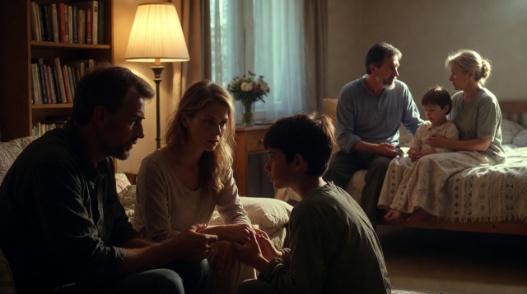
War feels far away for many children. Yet news, social media, and whispers from friends can bring frightening images and questions right into their world. Children hear about bombs, refugees, or soldiers and wonder: “Could this happen here?” “Are people safe?”
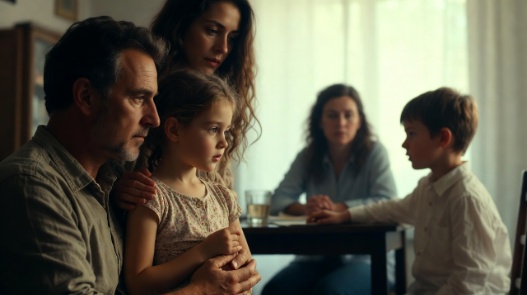
Start by Listening to Find Out What They Know
Before saying anything, ask gentle questions. Sit together during a quiet moment, like mealtime or a walk, and say, “Have you heard anything about the war? What do you think is happening?”
Listen more than you speak. Children often know bits and pieces from videos, classmates, or overheard adult talk. Their worries might be bigger than the facts they have. Repeating back what they say, “It sounds like you’re worried about the children there”, shows you understand and makes them feel safe to share more.
Keep It Calm, Honest, and Age-Appropriate
Use simple, clear words matched to their age. For young ones (under 7), explain war as “grown-ups fighting over land or ideas, and it makes people sad and scared.” Avoid scary details like graphic violence.
For older children (8–12), add a bit more: “Countries sometimes argue and use weapons instead of talking but many people are working to stop it.” Teens can handle deeper reasons and history, but still focus on facts not fear.
You must stay calm because your steady voice and body language are the biggest reassurance. Admit if you feel worried too: “I feel sad about what’s happening, but I know grown-ups around the world are trying to help.” Never promise “It will never happen here” if it feels untrue, but reassure: “We are safe right now, and I will always keep you protected.”
Spread Compassion, Not Fear or Blame
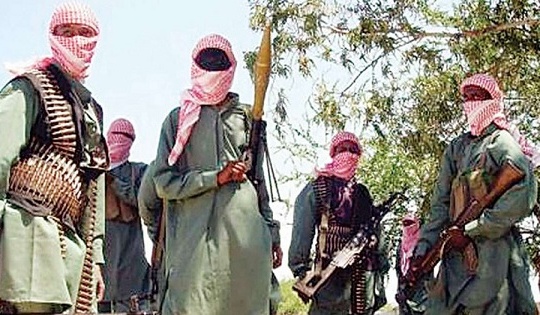
War can stir up “us vs them” thinking. So, avoid words like “bad people” or “evil.” Instead, talk about actions: “Some leaders made choices that hurt others but most people want peace.” Highlight kindness with instances like families fleeing danger, doctors helping the hurt, or neighbours sharing food. This builds empathy and counters prejudice.
Focus on the Helpers and What Children Can Do
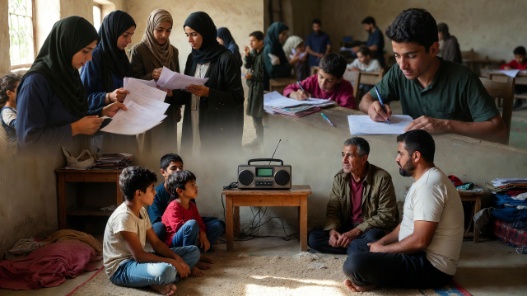
Children feel powerless when big things happen. Point out the “helpers”: firefighters, aid workers, doctors, teachers in shelters, or people collecting donations. Say, “Even when things are scary, kind people step up to make it better.”
Ask what small actions they can take like drawing pictures for refugees, learning about peace, or being extra kind at home. This gives them a sense of control and purpose.
Watch for Signs and Offer Extra Comfort
After the talk, keep routines steady: meals, playtime, bedtime stories. Watch for changes such as trouble sleeping, clinginess, anger, or tummy aches. If worries grow, talk more or seek help from a school counsellor. Extra cuddles, family games, or drawing feelings help children process emotions.
Close with Love and Hope
End conversations positively. Hug them and say, “I love you, and we’re together no matter what.” Remind them that the world has more love and helpers than harm. Over time, these careful talks teach your children that hard truths can be faced with support, and that kindness always matters.
Guiding your children through war conversations is tough but your calm presence makes them stronger. By listening, being honest, and focusing on hope, you can help them grow into caring, resilient people even in uncertain times.
Comments (0)
Please sign in to join the conversation.
Loading comments...