

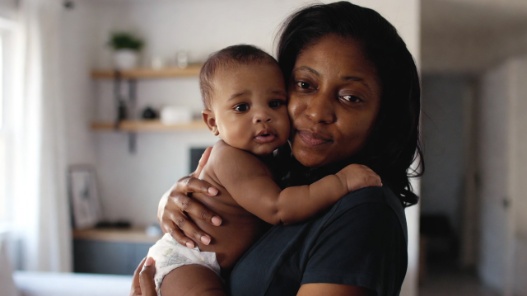
You gently place your baby in their bouncer. You're finally sitting down for the first time in hours, gulping a chill bottle of Coke... and within seconds, the wails start. Arms reaching, face scrunched, they want you, right now. Does this sound familiar?
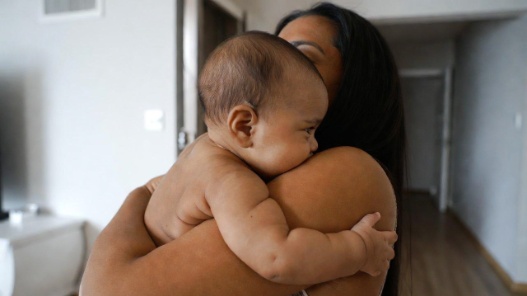
If your little one treats you like their favourite piece of Velcro, sticking close no matter what, you're in good company. This "Velcro baby" phase is real, it's normal, and it's actually a beautiful sign of love and trust. However, it can leave you feeling touched out and wondering, "Will I ever pee alone again?"
We’ll go through this slowly and simply. By the end, you’ll feel calmer, clearer, and more confident in yourself as a parent.
What Is a Velcro Baby?
A Velcro baby is simply a little one who craves constant closeness. They want to be held, worn, rocked, or snuggled almost all the time. Put them down? Instant protest. Need to shower? Baby comes along (or cries from the doorway). They're "stuck" to you like Velcro. Hence, the cute (but tiring) nickname.
Here's the reassuring part. It's super common! Experts estimate 20-30% of babies show strong clingy tendencies at some point. Many parents say "all babies are a bit Velcro in the early months" because newborns literally need that skin-to-skin contact to feel safe and regulated.
In busy cities where life moves fast, and support might be stretched, this phase can feel extra intense. However, it's not a problem you created. It's often just your baby's temperament shining through, or a normal response to big developmental leaps like learning to roll, sit, or walk.
Ever caught yourself thinking, "My baby loves me too much!"? That's the heart of it. This clinginess usually means secure attachment. Your little one trusts you'll come back, so they feel brave enough to protest when you're out of reach. It's exhausting in the moment, but it's building their confidence from the inside out.
Velcro Baby vs. Separation Anxiety: What’s the Difference?
These two get mixed up a lot, but they're not quite the same.
Velcro baby is more of a general style or phase. Your baby prefers being on you most of the day, even when nothing "scary" is happening. It's often about comfort, soothing, and just loving your closeness. It can start from newborn days and ebb and flow with growth spurts or teething.
Separation anxiety is a specific developmental milestone. It usually kicks in around 8-12 months (when object permanence develops and they realise you exist even when out of sight). Suddenly, leaving the room brings real distress, like crying, clinging, and fear of strangers. It peaks between 10-18 months and often fades by age 2-3 as kids gain confidence.
The overlap? Many Velcro babies go through stronger separation anxiety phases because they're already wired for closeness. Yet, not every clingy baby has full-blown separation anxiety and not every anxious toddler was a classic Velcro baby earlier.
Is the Velcro Phase Temperament or Attachment?
Here's where it gets interesting. It's usually a beautiful mix of both.
Temperament is your baby's inborn wiring. Some are naturally more sensitive, intense, or "high-needs." These little ones often become Velcro babies because they soothe best with touch, movement, and your voice. It's not something you "caused", it's how they're made.
Attachment is the bond you build through responsive care. When you pick them up when they cry or respond to their cues, you create secure attachment. Experts agree that velcro-like clinginess is often a healthy sign of secure attachment, not a problem. Babies who feel truly safe with you are more likely to explore confidently later.
So, if your baby is extra sticky, it might be their personality plus the strong, loving connection you've nurtured. That's not a flaw, it's a strength. You're giving them the secure base they need to eventually branch out.
Do Velcro Babies Grow into Confident Kids?
Yes, most do! The good news is that this phase doesn't mean your child will be clingy forever. Parents and experts share that Velcro babies often become independent, confident kids because their early need for closeness was met with love and consistency.
They learn, "My world is safe, my people come back, I can explore." Many who were super attached as babies turn into adventurous toddlers or outgoing school-age children once they feel secure.
The key? Keep responding with warmth while gently encouraging tiny steps toward independence, such as babywearing for closeness, short play moments on the mat while you're nearby, saying "I'll be right back" and returning quickly. Over time, that invisible tether stretches naturally.
It won't last forever and when it fades, you'll miss those snuggly days a little. However, the confidence they build from being so securely loved? That lasts a lifetime.
So, if you're in the thick of Velcro season right now, you're doing an incredible job. This clingy love is proof that your baby feels safe with you.



Comments (0)
Please sign in to join the conversation.
Loading comments...