

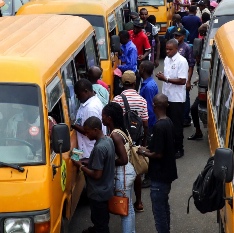
. Low-income commuters face doubled daily costs and feel powerless and see little change despite government promises.
In Lagos, the moment buses become scarce whether from fuel shortages, road repairs or the mass exodus of drivers fares instantly double. A journey that costs ₦200 on a normal day jumps to ₦400 or ₦500. Passengers complain, argue with conductors, and often end up paying because there are few alternatives. This practice, known locally as 'double money' is so predictable that Lagosians brace for it every festive season or whenever supply drops.
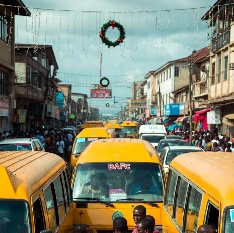
Drivers and conductors justify the hike with practical reasons as fuel scarcity forces those who remain to buy petrol at black-market prices, sometimes double the official rate. With high operating costs and desperate passengers willing to pay more to avoid being stranded, drivers see it as a simple way to cover expenses or make extra profit. Weak regulation of private danfos and minibuses means there is little to stop them.
For market traders, civil servants, and students earning low wages, the sudden increase turns daily commuting into a financial strain. A round-trip that normally costs ₦800 can rise to ₦1,600, eating deeply into tight budgets. Families travelling home for celebrations face fares that double overnight, while late arrivals at work risk disciplinary action. Many feel powerless: argue too hard and the bus drives off, leaving you behind.
Despite repeated government promises of more BRT buses, stricter enforcement, and union discipline, the cycle continues unchanged. Every December social media fills with outrage, yet by January fares quietly return to normal until the next shortage or holiday. For millions who depend on yellow danfos to survive the city’s chaos, double money remains an unavoidable tax on getting home.

Comments (0)
Please sign in to join the conversation.
Loading comments...