


"You never listen to anything I say about her!” Adewale’s voice cut sharply across the courtyard, his fists clenched at his sides. Bolanle fired back, her gele slightly tilted from the heat of the moment, “And you think shouting will fix it? Look at what you’re doing to Temi!” Their eight-year-old daughter stood rigid near a plastic chair, eyes downcast, clutching her favourite doll as if it were a shield, while aunts and uncles shifted uncomfortably and the music seemed to fade into awkward silence. The argument, sparked by differing views on discipline and money for school fees, had pulled their usually bright girl into the centre once more.
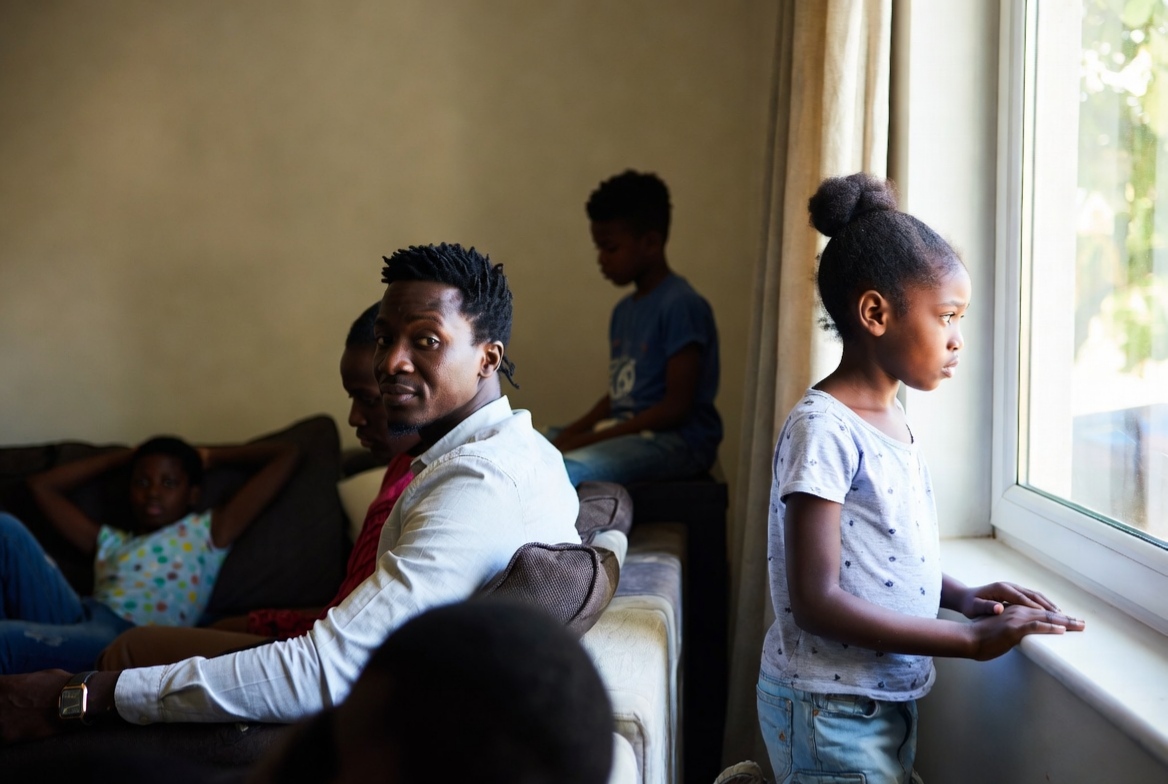
In that charged instant, watching Temi withdraw rather than cry or run, it became painfully obvious how parental tensions and hidden stresses can leave deep, unseen marks on children.
Weeks before that gathering, life in their modest home had felt like a pressure cooker. Adewale, a 36-year-old logistics supervisor, and Bolanle, a 34-year-old nurse, had always prided themselves on building something stable together. They met 12 years earlier at a church youth programme in Ijebu-Ode — he, impressed by her calm handling of a medical emergency during a retreat, and she warmed by his steady reliability and quiet humour. Marriage followed with family approval, shared dreams of a comfortable life, and the arrival of Temi four years later.
Flashback even further to the months after Temi started primary school, Bolanle recalled the proud first day drop-off, uniform crisp, lunchbox packed with love. The subtle shifts began amid their own unspoken battles. Late rent notices, Bolanle’s exhausting night duties, and Adewale’s mother’s frequent calls criticising their “soft” parenting created constant friction. Instead of shielding Temi, they sometimes vented around her or through her. “Tell your father we need money for books,” Bolanle might say wearily. Adewale would counter by taking Temi on errands to his side of the family, praising her for “understanding” adult worries.
The first silent signs appeared so quietly they almost missed them. Temi, once chatty and quick to join games, started excusing herself to corners during playtime at home. She ate less of her favourite moi moi, complained of frequent tummy aches with no fever, and seemed to daydream through stories that used to captivate her. At the family gathering that Sunday, her frozen stance wasn’t new—it was a louder echo of the withdrawal that had been building.
Young couples today face layered challenges that feed these hidden struggles. Tight finances mean both parents chase extra income, leaving children with fragmented attention. Extended family involvement, while a cultural strength offering support and wisdom, can also amplify disagreements when opinions clash on everything from feeding routines to school choices. In many homes, parents carry stress silently until it leaks into the child’s world through tense atmospheres, inconsistent rules, or using the child as a confidant or messenger. These are accumulated emotional weather conditions that children absorb deeply.
What makes trauma signs “silent” is precisely how they masquerade as normal childhood phases or emerging “difficulty.”
(1) Temi showed classic internalising patterns: emotional numbing through excessive compliance, sudden disinterest in activities she loved like drawing family portraits, and somatic complaints like headaches before tests or visits.
(2) She began clinging more at bedtime yet avoided deep conversations, her laughter growing rarer. Adewale later admitted noticing her perfectionism but chalked it up to school pressure. Bolanle saw the quietness as maturity. Neither connected it immediately to the home’s emotional temperature.
Their story took a reflective turn during a quiet drive home after the Abeokuta incident. With Temi asleep in the back, exhausted from the day’s tension, Bolanle broke the silence. “She’s not being difficult, Ade. She’s carrying something we’re missing.” Adewale’s mind flashed back to his own boyhood in a bustling household where his parents’ frequent quarrels over money left him hyper-alert to adult moods, often withdrawing into books. He had promised a different home but realised the pattern was repeating in subtler ways.
Catching these signs requires tuning into patterns rather than waiting for outbursts.
(1) Changes in sleep: more nightmares or resistance to bed despite tiredness.
(2) Appetite shifts without illness.
(3) egression -ike renewed bedwetting or baby talk in an older child.
(4) Social withdrawal from cousins or friends.
(5) Hypervigilance, such as startling easily at raised voices.
(6) Difficulty concentrating, leading to slipping grades.
(7) Unexplained physical aches.
(8) Emotional flatness or sudden intense fear of separation.
In African family settings, where children are taught respect and endurance, these internal signs often hide behind good behaviour until they surface as unexplained irritability or shutdown.
For Adewale and Bolanle:
(A) Awareness marked the beginning of change. They started observing more intentionally without panic.
(B) They protected Temi from adult financial discussions and in-law tensions, choosing instead to present a united front even when imperfect.
(C) Disagreements moved behind closed doors or evening walks.
(D) They created small, consistent rituals such as weekend market trips as a trio, storytelling in Yoruba that rebuilt connection and safety.
(E) On finances, they reviewed budgets together monthly, acknowledging the strain honestly: “This economy tests everyone, but we’re a team.”
Bolanle spoke gently with her mother-in-law about boundaries, while Adewale encouraged Temi to voice small feelings without fear of burdening them.
The insights that emerged felt grounding rather than overwhelming. Children are incredibly perceptive sponges; they register parental stress, marital friction, and uncertainty long before they can name it.
(A) Silent trauma doesn’t always stem from one big event, it accumulates from repeated exposure to conflict, emotional unavailability, or instability.
(B) The beauty of extended family can sometimes blur lines, making it harder to shield the child’s peace.
(C) Noticing early allows intervention before the child learns to armour up or act out as “difficult.” This preserves their emotional security, models healthy relating, and eases the load on the marriage itself.
(1) Seek trusted counsel when needed without turning relatives into battle lines.
(2) Speak to your child’s level about feelings, validate without over-sharing burdens, and rebuild safety through presence and routine.
(3) It’s not about perfection but consistency and repair.
They still wrestled with bills, shifts, and opinions, but they had grown more attuned. Temi wasn’t a barometer for their fights anymore; she was a child allowed to thrive.
(4) While life’s pressures can create invisible wounds in our children, we hold the power to spot the silent signs before they evolve into louder struggles.
(5) Catching them early isn’t extra pressure; it’s practical love that safeguards their hearts, strengthens our partnerships, and builds homes where resilience, not regret, takes root.
In the end, protecting that inner world allows everyone to move forward lighter, more connected, and ready for whatever comes next.
Notice the quiet signals, respond with care, and watch your family story shift toward deeper peace.



Comments (0)
Please sign in to join the conversation.
Loading comments...