



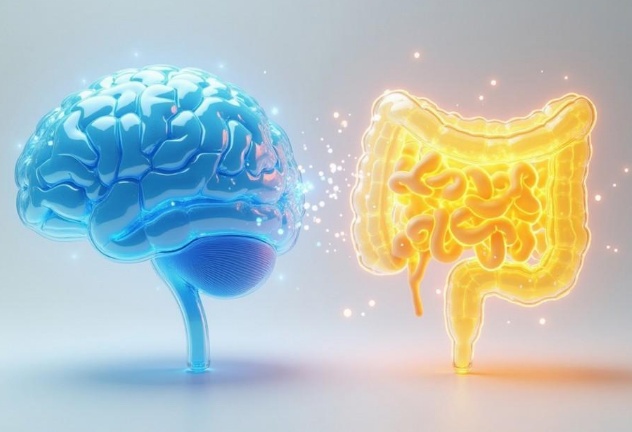
6:47 a.m, as the commercial bus idles in endless traffic on the bridge, 34-year-old finance manager, Ifeoma grips the seat, heart hammering, stomach twisting with a familiar nausea that no antacid touches. She tells herself it’s just the commute, just the deadline, just another day in the city that never slows down. But the anxiety has deepened into something heavier — unshakable low mood, racing thoughts at 3 a.m., a sense that joy has quietly left the building.
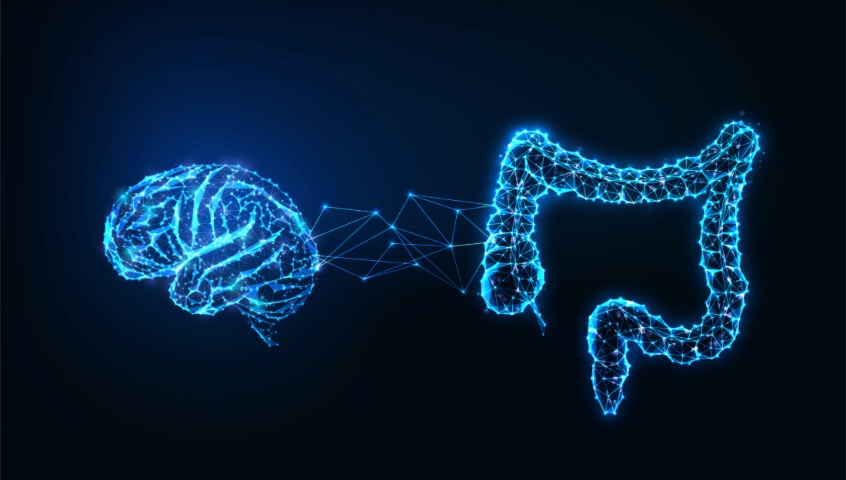
Ifeoma is not alone. Across the world, where an estimated 25 – 30% of adults live with mental health challenges yet fewer than one in ten receive care, stories like hers are commonplace. What she — and millions like her — may not realise is that the root may lie not only in her brain but in the trillions of microbes inhabiting her gut.
In 2025, the microbiota-gut-brain axis has moved from fringe theory to frontline science. Landmark reviews in Frontiers in Immunology and Frontiers in Microbiology confirm that microbiome imbalances (dysbiosis) are not mere bystanders but active drivers of depression and anxiety. They reshape neurotransmitter production, inflame neural circuits, and hijack the stress response. The implications for busy African professionals could not be more urgent.
As A Husband, You Must Understand That Your Unattractive Wife Is Your Fault
Why This Matters Now (2024 – 2026 Data)
Global prevalence stands at roughly 3.15% for major depressive disorder and 4.8% for anxiety disorders, yet the burden is rising sharply. The World Health Organization’s 2025 update reports a 26 – 28% surge in both conditions in the wake of the COVID-19 pandemic, with low- and middle-income countries absorbing the steepest increases in disability-adjusted life years. In sub-Saharan Africa, untreated depression and anxiety already strain fragile healthcare systems; in Nigeria, mental health receives just 3% of the national health budget.
Bidirectional Mendelian randomisation studies published in 2025 demonstrate that gut dysbiosis precedes and provokes mood symptoms, not the reverse. Gut microbiome composition even predicts worsening depressive symptoms two years later, according to a 2024 Molecular Psychiatry analysis. For city professionals juggling 14-hour days, Harmattan dust, processed street food, and chronic traffic stress, the microbiome has become an unwitting casualty — and a silent perpetrator.
Invisible Highway: Mapping the Microbiota-Gut-Brain Axis
The gut and brain converse constantly through a sophisticated network: the vagus nerve, immune signals, hormones, and microbial metabolites. 95% of the body’s serotonin is manufactured in the gut, not the brain. Short-chain fatty acids (SCFAs) such as butyrate produced by beneficial bacteria cross the blood–brain barrier to reduce inflammation and boost BDNF, the brain’s fertiliser for new neurons.
When the microbiome is balanced, this dialogue keeps mood steady but when it fractures — through antibiotics, ultra-processed diets, or unrelenting stress — the conversation turns toxic. “Gut microbiota dysbiosis is a causative factor in depression and anxiety, rather than merely a consequence,” note Lai and Xiong in their 2025 causal analysis.
Harmony Fractures: Dysbiosis as the Spark
In depression and anxiety phases, microbial diversity plummets when beneficial SCFA-producers — Faecalibacterium, Coprococcus, Bifidobacterium, and Lactobacillus — decline sharply, while pro-inflammatory species such as Escherichia-Shigella and Eggerthella rise. The result is a leaky gut wall that allows bacterial fragments (LPS) into the bloodstream, triggering systemic inflammation that reaches the brain and activates microglia — the brain’s immune cells — in a state of chronic alarm.
The hypothalamic–pituitary–adrenal (HPA) axis, our stress thermostat, stays switched o as. Cortisol remains elevated. Tryptophan is shunted into the inflammatory kynurenine pathway instead of serotonin production. The 2025 Frontiers in Immunology review maps this cascade in exquisite detail: vagotomy experiments prove the gut’s signals travel directly via the vagus nerve; germ-free mice show dramatically altered serotonin and GABA levels; faecal transplants from depressed humans reliably induce depressive behaviours in rodents.
Microbial Messengers: SCFAs, Serotonin, and the Inflammatory Code
The real conversation happens at the molecular level, because SCFAs act as epigenetic regulators, quieting genes that promote inflammation and turning on those that support neuroplasticity. Butyrate, in particular, strengthens the blood–brain barrier and dampens microglial overactivity. Depleted SCFA levels correlate directly with symptom severity.
Tryptophan metabolites produced by specific bacteria — indole-3-lactic acid, indole-3-propionic acid — activate the aryl hydrocarbon receptor, protecting neurons from stress. When these metabolites drop, anxiety and low mood intensify. Even bile acids, reshaped by gut bacteria, influence dopamine circuits tied to motivation and reward.
Urban Life, Diet Shifts, and Africa’s Microbiome Reality
In the world's megacities, the microbiome faces unique pressures as traditional diets once rich in fermented staples — ogi, kunu, iru, and garri — delivered natural probiotics and prebiotic fibres. However, urban professionals have traded these for bread, noodles, and sugary drinks, meaning Lagos traffic stress and irregular meals further disrupt microbial rhythms.
Clinicians at Lagos University Teaching Hospital report a pattern - patients presenting with treatment-resistant anxiety or depression often show gastrointestinal symptoms first. “We’re seeing clear correlations between dietary westernisation and worsening mood disorders,” observes Dr. Chukwuma Okonkwo, gastroenterologist at LASUTH. “Restoring fermented local foods alongside conventional care is changing outcomes in ways antidepressants alone never did.”
Psychobiotics, FMT, and Personalised Restoration
Relax, the therapeutic horizon is bright for your gut-world though.
Multi-strain probiotics (Bifidobacterium breve, Lactobacillus helveticus, Lactobacillus rhamnosus) at 10^9 – 10^10 CFU daily for 8 – 12 weeks have reduced Hamilton Depression and Anxiety scores in 2025 randomised trials, noticeably, these effects are strain-specific and dose-dependent.
Even more striking are results with faecal microbiota transplantation (FMT) whereas in a 2025 meta-analysis of randomised trials reported a large effect size (SMD −1.21) on depressive symptoms, with stronger benefits in short-to-medium term and when delivered directly into the gastrointestinal tract. With medical prescriptions and advice, oral capsules have proved nearly as effective and far more convenient - these gains were most pronounced in patients with comorbid IBS — common among stressed professionals.
John F. Cryan’s team at APC Microbiome Ireland, co-authoring a 2025 review, emphasises precision.
“Human induced pluripotent stem cell models now let us test microbial metabolites directly on human neurons, moving us beyond animal approximations toward truly personalised interventions.”
What You Can Do Today
1. Reintroduce fermented Nigerian staples daily — fresh ogi or kunu with meals — to feed SCFA-producing bacteria.
2. Prioritise diverse plant fibre (30+ types weekly): add moringa, okra, beans, and unripe plantain alongside your usual rice and stew.
3. Protect sleep and circadian rhythm; microbial diversity follows your body clock — aim for consistent 10 p.m – 5 a.m windows.
4. Incorporate targeted psychobiotics after consulting a clinician; look for strains with published 2024–2025 trial data.
5. Manage chronic stress actively — 10 minutes of box breathing or a short forest walk in Conservation Centres lowers cortisol that otherwise erodes beneficial microbes.
6. Minimise unnecessary antibiotics and NSAIDs; when required, pair with high-dose probiotics.
7. Consider FMT evaluation if standard treatments have plateaued and gastrointestinal symptoms coexist — now available in select global specialist centres.
The Conversation Is Two-Way — And Hopeful
Ifeoma’s story does not end in traffic. Now, six months after working with a functional-medicine team to rebuild her microbiome — starting with local fermented foods, targeted strains, and stress-reduction rituals — her anxiety has quieted, her mood has lifted, and the inexplicable stomach knots have vanished.
The gut-brain axis is not a one-way sentence of despair; it is an invitation to partnership. By listening to the trillions of voices within, Nigerians at the height of their careers can reclaim mental clarity and emotional resilience. The microbes are already talking. The question is whether we are ready to answer.