

Relationships are one of the most powerful parts of human life. They shape our emotions, influence our decisions, and often determine how we see ourselves. A good relationship can lift you, strengthen you, and bring you peace. But the wrong one? It can slowly drain you, confuse you, and leave you questioning your worth.

What makes it even more dangerous is that toxic relationships rarely begin as toxic. They often start beautifully. There is laughter, attention, deep conversations, and a strong sense of connection. You feel seen. You feel chosen. You feel safe.
However, over time, things begin to shift slowly and subtly. A comment here. A behaviour there. A feeling you can’t quite explain. And because it’s not dramatic, you ignore it.
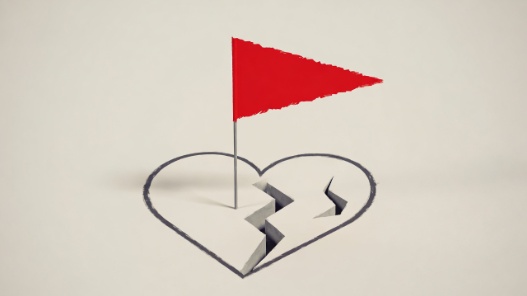
That is how red flags work. They don’t always scream. They whisper. Below are seven warning signs you should never ignore, no matter how much love you think is there.
1. Constant Disrespect (Even When It’s Disguised as Humour)
Disrespect doesn’t always come in obvious forms like insults or shouting. Sometimes, it hides behind laughter. They tease you about your looks in front of others. They make sarcastic remarks about your ideas. They interrupt you when you speak or dismiss your opinions.
When you react, they might say, “It was just a joke” or “You’re too sensitive.” But here’s the deeper truth; anything that repeatedly hurts you is not harmless.
Respect is the foundation of every healthy relationship. Without it, love cannot stand. Over time, repeated “jokes” and subtle put-downs can damage your self-esteem. You may begin to doubt yourself, shrink your voice, or avoid expressing your thoughts altogether.
A person who values you will be careful with their words, not careless.
2. Lack of Accountability (They Never Truly Own Their Actions)
Everyone makes mistakes. That is part of being human. But emotional maturity is shown in how someone responds when they are wrong.
Do they say, “I’m sorry, I understand how that hurt you”? Or do they say, “You made me do it”, “It’s not a big deal”, or “You’re overreacting”?
A lack of accountability creates a toxic cycle. They hurt you. You express your pain. They deny or minimise it. Nothing changes. Over time, this can make you feel unheard and invalidated. You may even start questioning your own feelings.
A relationship cannot grow if one person refuses to take responsibility. Real change requires honesty, humility, and effort, not excuses.
3. Controlling Behaviour Disguised as Love
At the beginning, it may feel flattering. They want to know where you are all the time. They ask who you’re with. They get upset when you don’t respond quickly.
You might think, “They just care about me.” But slowly, it begins to feel different. You start seeking permission before making decisions. You avoid certain people to keep the peace. You feel anxious about doing something “wrong.”
This is where care crosses into control. Healthy love gives you freedom to be yourself. It does not isolate you, restrict you, or make you feel monitored.
So, if you feel like you are constantly being watched, judged, or managed, that is not love. It is control. Note that control, if ignored, often becomes more intense over time.
4. Emotional Unavailability (You’re Always Reaching, They’re Always Distant)
One of the most painful experiences in a relationship is feeling alone while being with someone. It's as if you're in the relationship all by yourself. You try to talk about your feelings, but they shut down. You need comfort, but they withdraw. You open your heart, but they stay guarded.
Emotional unavailability creates an imbalance where one person is always giving, and the other is always distant. This can lead to feeling rejected, overthinking everything, trying harder just to be understood, and losing your emotional energy.
You may find yourself making excuses for them, “Maybe they’re just stressed,” “They’ll open up eventually.” However, connection should not feel like a constant struggle. You deserve someone who meets you emotionally, not someone you have to chase for the bare minimum of a basic connection.
5. Frequent Lies and Broken Trust
Trust is not built overnight, but it can be broken in seconds. At first, the lies may seem small. They hide little details. They twist the truth. They give inconsistent stories.
When you confront them, they may deny it or make you feel like you’re imagining things. This is where it becomes dangerous. Because over time, you stop trusting not just them, but yourself.
You begin to question your instincts. You second-guess what you see and hear. You feel constantly unsettled. This emotional confusion is exhausting.
A relationship without trust becomes a place of anxiety instead of peace. What's more? No matter how much love exists, without honesty, it cannot survive.
6. You Feel Drained More Than You Feel Happy
Your emotions are powerful indicators. After spending time with this person, how do you feel?
Do you feel light and happy? Safe and relaxed? Valued and appreciated? Or do you feel tired and emotionally heavy? Anxious and unsettled? Drained and confused?
Many people ignore this sign because they focus on the “good moments.” However, the overall emotional pattern matters more than occasional happiness.
A healthy relationship should not feel like constant emotional work. If someone consistently drains your energy, your body is trying to tell you something your heart may be ignoring.
7. Repeated Patterns With No Real Change
This is one of the clearest and most ignored red flags. The issue keeps happening. The apology sounds sincere. Yet, the behaviour never changes.
You hear things like, “I promise it won’t happen again,” “I’ll do better next time.” And for a short while, things improve.
Then everything goes back to how it was. This cycle creates false hope. You stay, believing change is coming, when in reality, the pattern is simply repeating.
Words can comfort you, but only actions can prove change. If someone truly values you, their behaviour will reflect it consistently, not occasionally.
Why It’s So Hard to Walk Away
Recognising red flags is one thing. Acting on them is another. Many people stay because:
* They are emotionally attached
* They fear being alone
* They believe the person will change
* They have invested time and effort
* They feel responsible for fixing the relationship
These feelings are valid. They are deeply human. However, staying in a harmful situation does not make you strong. It slowly breaks you.
A Truth You Should Never Forget
Love should not cost you your peace. It should not make you feel small, confused, or constantly anxious.
Yes, relationships require effort. They require patience, understanding, and compromise. But they should never require you to ignore your pain, accept repeated disrespect, lose your identity, or silence your voice.
The right relationship will feel safe, not like something you have to survive.
What You Can Do Moving Forward
If you recognise these signs in your relationship, here are some honest steps you can take:
1. Be Honest With Yourself. Stop minimising what you feel. If something hurts you repeatedly, it matters.
2. Set Clear Boundaries. Decide what behaviour you will no longer tolerate and stand by it.
3. Communicate Clearly. Express your concerns calmly. A healthy partner will listen and try to understand.
4. Watch Their Actions. Do not rely on promises alone. Real change shows through consistent behaviour.
5. Choose Yourself When Necessary. Sometimes, the healthiest decision is to walk away even when it’s difficult.
Final Reflection
Just like traffic lights, red flags are not there to confuse you. They are there to guide you. So, ignoring them does not make them disappear. It only gives them room to grow.
One day, you will either thank yourself for paying attention early… or wish you had. Choose the version of your story where you listened.