


It was 6:47 p.m. on a Tuesday, and Ndapewa Shivute was standing in her kitchen doorway watching her ten-year-old son, Tulimeleni, click through seventeen browser tabs in the time it took her to reheat a pot of oshifima. One tab was a maths game. The other sixteen were, generously speaking, not.
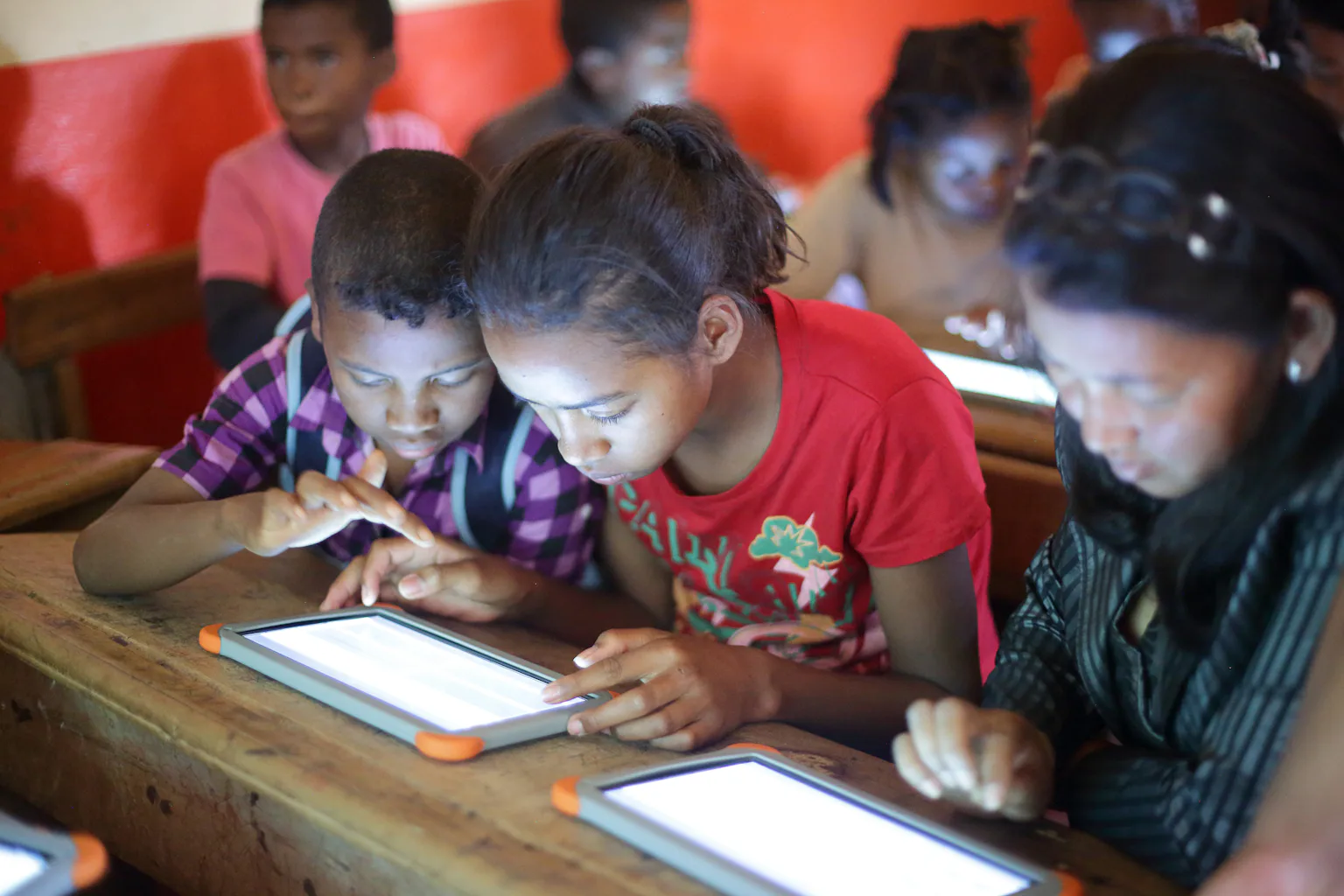
She didn't yell. She'd learned that yelling only bought her five minutes of guilty compliance before the tabs multiplied again. Instead, she sat down next to him, pulled up a chair that scraped loudly against the tile, and asked the question that would quietly change how her household used technology for good: "What are you actually trying to learn right now?"
Tulimeleni blinked at her like she'd asked him to explain gravity. He didn't know. He'd never been asked. He'd only ever been told to "go do your schoolwork online" without anyone showing him what that was supposed to look like, feel like, or lead to.
Households are navigating kids with access to more information than any generation in history, and parents are unsure how to turn that access into actual growth.
We don't believe the answer is more screen time restriction alone, nor is it blind trust that any app labelled "educational" will do the job. The answer lies in adaptation — taking what's already out there, freely or cheaply available, and reshaping it around your child's pace, personality, and context.
Here is what that adaptation actually looks like in practice:
1. Turn passive videos into active homework. Instead of letting YouTube autoplay, pause every few minutes and ask your child to explain what they just watched in their own words.
2. Use free platforms like Khan Academy for gap-filling, not replacement. They work best alongside school, targeting exactly the concept your child is stuck on.
3. Download offline versions of learning apps for load-shedding days, because connectivity shouldn't be the reason learning stops.
4. Turn language-learning apps into family games, competing over who finishes their daily streak first.
5. Use podcasts during car rides instead of music, especially ones built for curious young minds.
6. Adapt online recipes into maths lessons, converting measurements and calculating cooking times together.
7. Let your child teach you something they learned online, because explaining cements understanding faster than repetition ever could.
8. Use online libraries and e-book platforms to access stories your local library may not stock.
9. Set a "one real-world action" rule — every online lesson must end with something touched, built, or tried offline.
10. Use free coding platforms like Scratch to turn screen time into creative, structured problem-solving.
11. Follow educational YouTube channels together first, so you know what's appropriate before your child watches alone.
12. Use online quizzes as conversation starters at dinner, not as tests to be graded and forgotten.
13. Adapt map apps into geography lessons, tracing family history or planning imaginary trips together.
14. Use voice notes on WhatsApp for reading practice, sending recordings to grandparents who love hearing progress.
15. Turn documentary clips into discussion homework, asking your child what surprised them most.
16. Use free online museum tours for children who may never get the chance to travel abroad.
17. Set specific learning goals before opening any app, so screen time has direction instead of drifting.
18. Create a shared family calendar for online learning sessions, treating them with the same seriousness as school hours.
19. Encourage online research projects on topics your child chooses themselves, because curiosity-led learning sticks.
20. Review progress together weekly, not just when report cards arrive, so learning feels like an ongoing conversation, not a surprise.
Notice what these twenty approaches have in common: none of them requires expensive subscriptions, none of them demands that you become a technology expert overnight, and none of them asks you to hover over your child's shoulder like a supervisor.
What they ask for instead is intention. A resource becomes powerful not because of what it promises on its homepage, but because of how deliberately it gets folded into your child's actual life.
Start with one tab, one honest conversation, one shared goal this week. The internet was never going to raise your child for you, and it was never meant to.
But guided by a parent who asks the right questions at the right moments, it becomes a genuine partner in the very human, very ongoing work of raising a curious, capable child.