

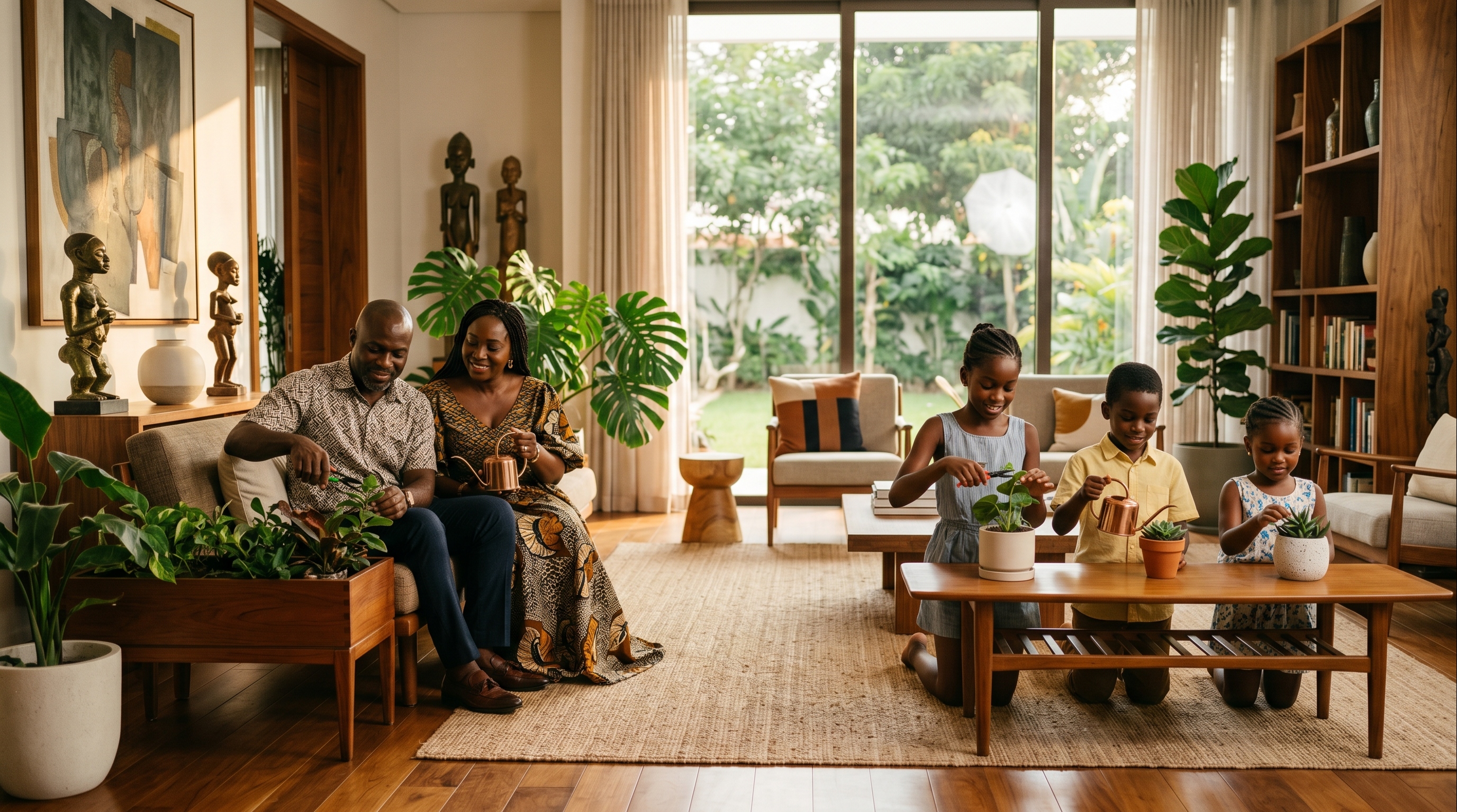
The school hall at the community centre in Paynesville smelled like chalk dust and orange Fanta, the kind of smell that lives in school buildings all over Liberia and probably in every school everywhere that has ever held a children's event. Rows of plastic chairs had been arranged neatly by teachers and older students, and on those chairs sat mothers, grandmothers, aunties, and a scattering of fathers, who had come straight from work still in their shirts, some who had driven across town, one who had brought a handmade sign.
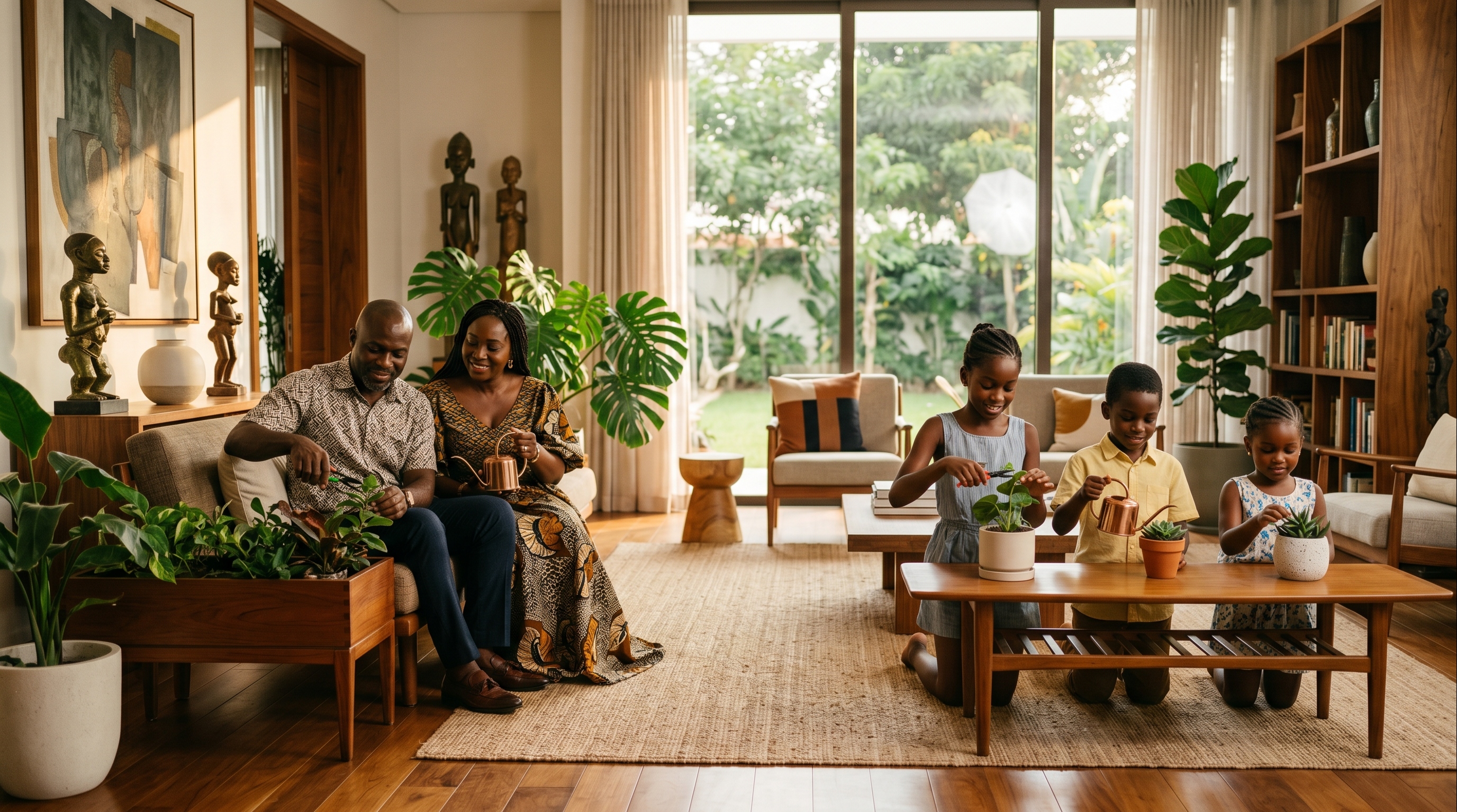
The recital was nothing elaborate. It was a primary school thing; poems read aloud, a short drama, some singing, a few wobbly dance routines performed with tremendous confidence.
Kofi, aged nine, was in the drama. He had one line, delivered at the centre of the stage, after which he was supposed to bow and step back. He had practised that line in the mirror every morning for two weeks. He had practised it for his mother, Jenneh. He had practised it for his grandmother, Ma Sia. He had asked twice whether his father was coming.
Varney had said yes both times. Then, on the afternoon of the recital, a friend called with an invitation to watch a match, and Varney had told himself that Kofi probably wouldn't even notice whether he was there or not.
Kofi noticed. He scanned the audience three times before his scene. Delivered his line anyway, bowed, stepped back. Did not cry. He was nine years old and already learning to manage expectations.
Children are active observers, constant recorders, and deeply intuitive interpreters of what they see the adults around them do.
Your child is not primarily shaped by what you tell them. They are shaped by what you do when you think the moment doesn't matter. They are shaped by how you speak to your wife when you are tired. By whether you show up when you said you would. By what you prioritise when priorities conflict. By what you laugh at, what you take seriously, what you walk away from, and what you walk toward.
Your children will look like your decisions because children do not absorb philosophy; they absorb behaviour. And your decisions will look like your children because everything you chose, consistently, over the years of their growing up, will be visible in who they become.
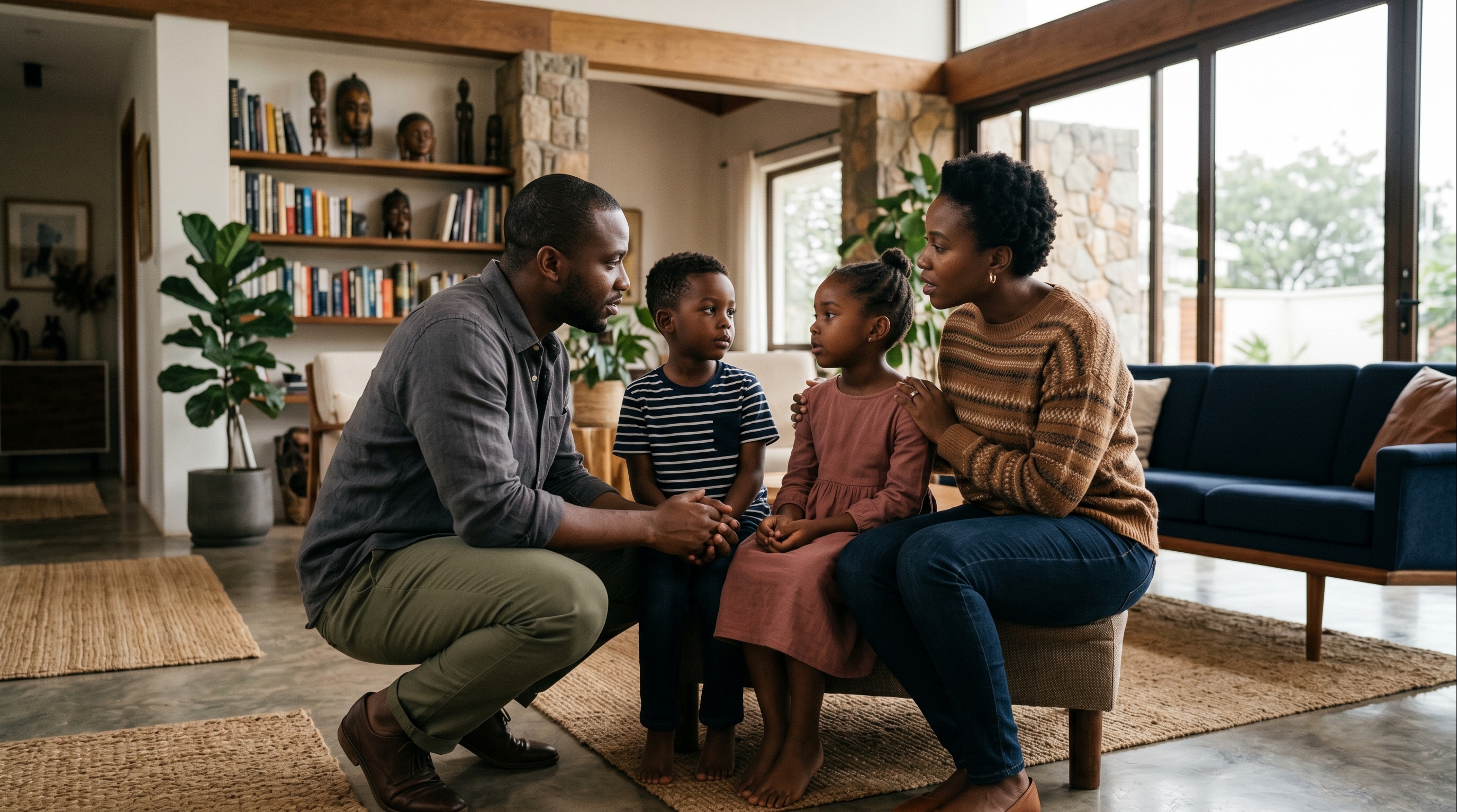
It was an ordinary Saturday, 18 months after the recital, and Varney was reading the newspaper at the kitchen table when his daughter, 12-year-old Finda, walked in and sat across from him without saying anything. He looked up. She was watching him with an expression he couldn't immediately read, focused, like she was working something out.
"Pa," she said, after a long moment, "what do you think about when you're just sitting there?"
He put down the newspaper. Something in the way she asked it made him understand that she was not making small talk. She was trying to get to know him. She had decided, at 12, to try to reach toward her father, and she was doing it the only way she knew how: carefully, with a question.
That conversation lasted 40 minutes. It had started, purely, because Varney put down the newspaper.
The Decisions That Shape a Child
The decision to show up physically. Presence is not just about being in the house. It is about being in the room, in the moment, available and engaged. A father who is home but unreachable behind a screen or inside a mood teaches his children, quietly, that they are not worth the full version of him.
The decision about how you treat their mother. Regardless of the state of your relationship with your partner, your children are learning from it. The respect, patience, and consideration you extend to the woman in their home become her first template for what love and partnership look like. This is perhaps the most consequential daily decision a father makes.
The decision to take their small things seriously. A nine-year-old's school recital is not a small thing to the nine-year-old. A 12-year-old's question at the breakfast table is not small talk. When fathers consistently treat their children's world as secondary to adult business, children learn that their inner life is not worth much, and they stop sharing it.
The decision about how you handle difficulty. How does a father behave when things go wrong? When money is short, when plans collapse, when he is embarrassed or afraid? Children are watching this more closely than anything else. A father who faces difficulty with honesty, steadiness, and dignity teaches his children that hard things are survivable. That is one of the most important lessons a human being can receive.
The decision to apologise. Many fathers of an older generation were never taught this, and it cost their children something real. Saying "I was wrong, and I'm sorry" to your child is not a loss of authority. It is a demonstration of the very integrity you want them to carry through their lives.
The decision to be curious about who they are. Children change constantly. The child you think you know at seven is a partially different person at 10, and significantly different again at 14. A father who stays curious builds a relationship that can survive adolescence and outlast childhood entirely.
The decision to speak life over them. Words from a father carry a particular weight in a child's inner world. Not because fathers are more important than mothers, but because the voice of the present, engaged father is one that many children quietly ache for. What you say to your child about who they are and what they are capable of will live in them for decades. Choose those words with the seriousness they deserve.
Your children are not going to remember your salary. They will not remember the size of the house. They will remember whether you came. Whether you listened. Whether you made them feel like their existence was worth interrupting your day for. They will remember who you were when things were hard, and they will carry your voice inside them long after you imagine they have stopped listening.


Comments (0)
Please sign in to join the conversation.
Loading comments...