

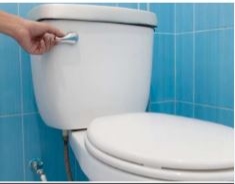
Most people pay attention to washing their hands after using the toilet, but very few people think about what happens when they flush. In many homes, offices, hotels, schools, churches, and public restrooms, people flush the toilet with the lid left open. It has become such a common habit that many people never question it.
However, research over the years has shown that flushing a toilet with the lid open can spread tiny droplets and microscopic particles into the surrounding air. This phenomenon is often called a “toilet plume.” While these particles are usually invisible to the naked eye, they may carry bacteria, viruses, and other microorganisms from the toilet bowl onto nearby surfaces.
This simple habit of closing the toilet lid before flushing can help reduce the spread of these particles and contribute to a cleaner bathroom environment.
What Happens When You Flush an Open Toilet?
When a toilet is flushed, water rushes into the bowl with considerable force. This creates turbulence that can propel tiny droplets and aerosolized particles upward and outward into the air.
These microscopic droplets can settle on nearby surfaces such as:
* Toothbrushes
* Toothpaste tubes
* Towels
* Soap dispensers
* Bathroom countertops
* Toilet paper holders
* Sink handles
* Door handles
* Cosmetic products
* Hairbrushes
* Razors
* Children’s bath toys
Some of these particles may remain suspended in the air for a period before settling.
Although you cannot see them, they are there.
Why Is This Important?
Human waste naturally contains billions of microorganisms. Many of them are harmless because they belong inside our digestive system.
However, if harmful bacteria or viruses are present—for example during episodes of diarrhea, food poisoning, or certain infections—they may also be present in toilet waste.
When flushing creates airborne droplets, some of these microorganisms can be deposited on surrounding surfaces.
While flushing is not the only way germs spread in bathrooms, it is one potential route that health experts recommend reducing.
Your Toothbrush Could Be at Risk
One of the greatest concerns is the toothbrush.
Many families keep their toothbrushes in open holders on the bathroom sink, sometimes only a short distance from the toilet.
If the toilet is flushed with the lid open, droplets may land on the toothbrush or its holder.
Even if the amount is small, it is unnecessary exposure that can easily be reduced.
Imagine brushing your teeth every morning with a toothbrush that has collected microscopic bathroom particles.
The good news is that prevention is simple.
Simple Ways to Reduce the Risk
A healthier bathroom starts with a few easy habits:
1. Always Close the Lid Before Flushing
This is perhaps the easiest and most effective step.
Closing the lid helps reduce the number of droplets released into the room, although it may not eliminate them completely.
2. Wash Your Hands Thoroughly
Wash your hands with soap and water for at least 20 seconds after using the toilet.
Good hand hygiene remains one of the most effective ways to prevent the spread of illness.
3. Store Toothbrushes Wisely
Keep toothbrushes as far from the toilet as practical.
If possible:
* Store them inside a cabinet.
* Use protective covers that still allow adequate drying.
* Replace them regularly according to dental recommendations.
4. Clean Bathroom Surfaces Frequently
Regularly disinfect:
* Toilet seats
* Flush handles or buttons
* Sink taps
* Door handles
* Countertops
These are high-touch surfaces that can accumulate germs.
5. Improve Ventilation
Bathrooms with good ventilation help reduce moisture and improve air circulation.
Use an exhaust fan or open a window when available.
6. Replace Old Toilet Brushes
A dirty toilet brush can itself become a source of contamination.
Clean it regularly and replace it when worn.
What About Public Toilets?
Public restrooms present additional challenges because many toilets either have no lids or users do not close them.
In public toilets:
* Avoid placing personal belongings on the floor.
* Wash your hands thoroughly.
* Avoid touching your face before washing.
* Consider using paper towels to touch door handles if available.
* Keep your toothbrush, cosmetics, or food items out of public restroom areas.
Parents Should Teach Children Early
Children learn bathroom habits by observing adults.
Teaching children to:
* Close the lid before flushing
* Wash their hands properly
* Keep toothbrushes clean
* Respect bathroom hygiene
can establish healthy routines that last a lifetime.
Small lessons taught at home often become lifelong habits.
Businesses and Institutions Should Help
Homes are not the only places where this matters.
Hotels, schools, hospitals, offices, restaurants, churches, and event centers can promote healthier bathroom habits by displaying simple reminders such as:
“Please close the toilet lid before flushing.”
Such reminders cost very little but can encourage better hygiene practices.
Is Closing the Lid Enough?
Closing the lid significantly reduces the spread of droplets, but it should not replace regular cleaning and proper hygiene.
A clean bathroom requires several habits working together:
* Closing the lid
* Washing hands
* Cleaning surfaces
* Maintaining good ventilation
* Replacing personal hygiene items when necessary
Together, these practices help create a healthier environment.
A Small Habit with Big Benefits
Many people spend thousands of naira each year on vitamins, supplements, and medications to stay healthy, yet overlook simple daily habits that can also contribute to reducing the spread of germs.
Closing the toilet lid takes only a second.
It costs nothing.
It requires no special equipment.
Yet it can help reduce the spread of microscopic droplets around the bathroom.
Sometimes, protecting your family’s health begins with the smallest actions.
The next time you use the toilet, pause for one extra second.
Close the lid.
Then flush.
Encourage your spouse, children, guests, colleagues, and friends to do the same.
Good health is often built on simple habits repeated consistently.
A cleaner bathroom starts with a closed toilet lid.

Comments (0)
Please sign in to join the conversation.
Loading comments...