


There is something deeply natural about wanting to share the beautiful, funny, chaotic moments of parenthood. Your toddler taking their first steps. Your little one grinning with a missing tooth. A precious Sunday morning cuddle caught on camera.
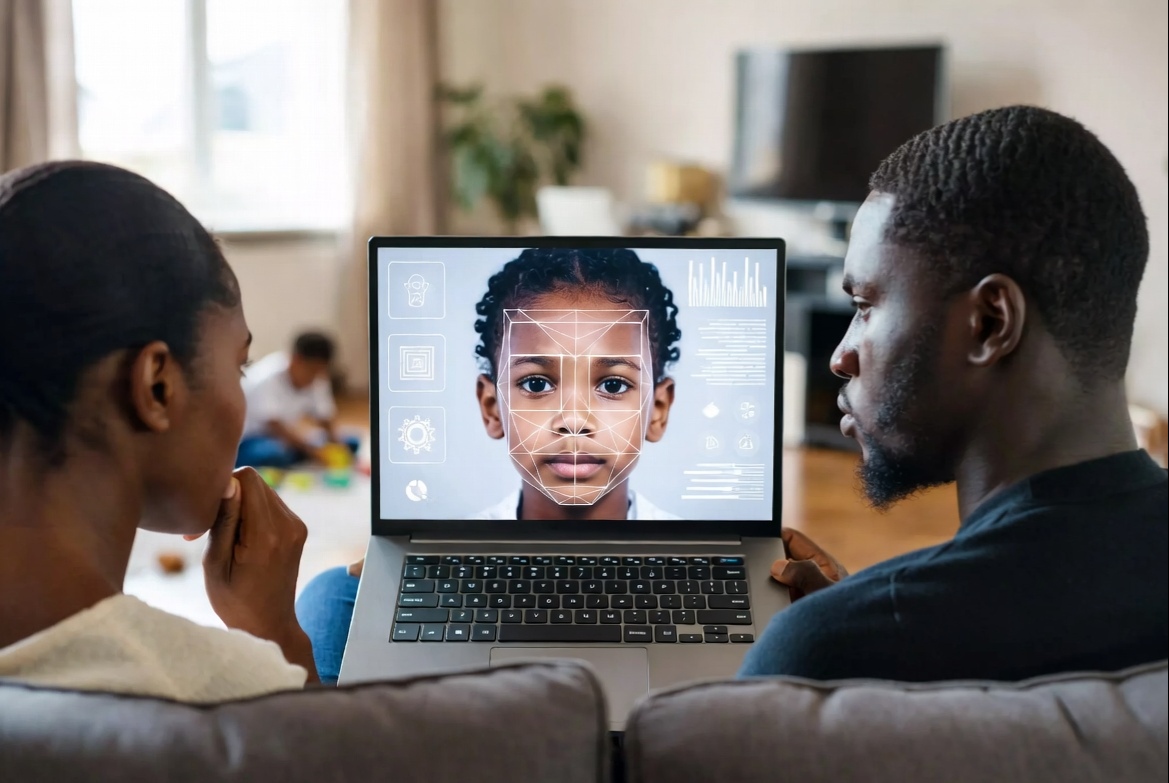
Social media has made sharing those moments feel harmless, even joyful. However, beneath the surface of those innocent uploads lies a conversation we are not having nearly enough: what happens when your child grows up and discovers that their entire childhood has been living on the internet without their permission?
Sharenting, a blend of the words "sharing" and "parenting," has quietly become one of the defining habits of modern family life. Research suggests that by the time a child reaches the age of five, their parents will have posted roughly 1,500 photographs of them online. That is 1,500 moments that exist permanently in digital spaces the child had no say in, and in many cases, no knowledge of. The question is not whether parents love their children. Of course they do. The question is whether love alone is enough to protect them.
Multiple Area of Concerns
The most immediate danger is one that feels almost too disturbing to say out loud: child predators. Images shared openly on social media, especially those showing children at home, at school, in swimwear, or tagged with a location, can be harvested, manipulated, and shared in spaces most parents will never see.
In 2023, researchers found that photographs taken from family accounts were being used without consent in deeply harmful online communities. These were not images taken by strangers. They were images taken lovingly by parents, shared publicly, and then stolen. The privacy settings many parents rely on offer far less protection than they realise, particularly when friends, grandparents, or relatives re-share content without thinking.
Beyond physical safety, there is the growing issue of digital identity theft. A child's name, date of birth, school name, and location, all details commonly scattered across a parent's social media posts, are exactly the kind of information that bad actors use to build fraudulent identities. By the time your child is old enough to apply for their first bank account, their data may already have been compromised. This is not a distant, hypothetical risk. It is happening to families right now, and most do not discover it until the damage is done.
Then there is the matter of emotional harm and this one is perhaps the most overlooked of all. Children grow into teenagers, and teenagers grow into adults with fully formed senses of self. Many young people today are expressing real distress upon discovering that their parents shared embarrassing, intimate, or vulnerable moments of their childhood publicly. Some describe it as a betrayal of trust. Others feel humiliated by content they had no control over; the potty-training photos, the tantrum videos, the bath-time snaps that seemed sweet at two years old but feel violating at sixteen. A child's right to their own narrative is something we rarely discuss, but it matters enormously.
Notable Consequences
We must also consider the long-term consequences of creating a digital footprint before a child has any understanding of what that means. In years to come, university admissions offices, future employers, and even romantic partners may have access to an extensive online archive of someone's most private childhood moments. That is a weight no child asked to carry.
In France, lawmakers have already taken steps to address this, with legislation giving children the right to have images of themselves removed from the internet and allowing them to hold parents legally accountable for oversharing.
None of this means you must delete every family photo or live in fear. It means slowing down and asking yourself a simple question before you post: Would my child be comfortable with this image existing online in ten years? If you hesitate, even for a second, that hesitation is worth listening to.
How You Can Maintain a Balance
Practical steps include setting all family-related social media accounts to private, avoiding images that show a child's school uniform, full name, or precise location, and resisting the urge to share content that captures children in vulnerable states. Having honest conversations with grandparents and relatives about the importance of asking before they share is equally vital.
The media space is not going anywhere. Platforms will continue to evolve, and the temptation to document and share will remain. However, your children are not content. They are not followers gained or engagement boosted. They are whole human beings who deserve to grow up with the dignity of a private childhood, one where their most tender, messy, and magical moments belong first and foremost to them.
So, the next time your finger hovers over the share button, pause. That moment of hesitation could be the most loving thing you do as a parent today.



Comments (0)
Please sign in to join the conversation.
Loading comments...