


The kitchen in Mireille's house always smelled like garlic and palm oil by five in the evening, and that was usually when little Divine started crying by the bathroom door. Mireille would wipe her hands on her wrapper, leave the pot of ndolé simmering, and rush to find her three-year-old nephew hunched over, red-faced, gripping the door frame as it owed him something.

She assumed he was being stubborn. Her mother had told her the same thing years ago about her own younger brother, that some children simply "hold it in" out of laziness or fear of the toilet. So Mireille pushed prune juice on him, added more fibre to his rice, and prayed.
Nothing changed.
What Mireille did not know, and what almost no one in her family had ever been told, is that Divine's constipation had very little to do with food and everything to do with the strength of the muscles in his belly, his back, and his pelvic floor.
This is the piece nobody hands you when a child comes into your care, whether you are the mother, the aunt who cooks every meal, or the older sister left in charge while everyone else works.
Low muscle tone, sometimes called hypotonia, is not something you can see by looking at a child's arms or legs.
A toddler with low tone can still walk, still run around the compound, still laugh and play football with the neighbour's children. But underneath that normal-looking movement, the muscles that should be squeezing, bearing down, and pushing during a bowel movement are simply not firing the way they should.
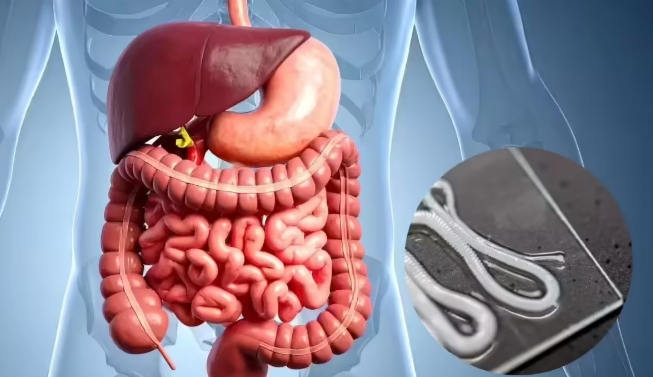
Passing stool is not just about what goes into the mouth. It is a full-body mechanical job that involves the diaphragm pressing down, the abdominal wall tightening like a fist, and the pelvic floor relaxing at exactly the right moment to let everything through.
When any part of that chain is weak, stool sits longer in the colon, water gets reabsorbed from it, and it hardens. That hardness is what makes a toddler scream on the toilet, not stubbornness.
Steevy, a father raising his younger cousin's son after a family loss, once told a pediatric nurse that he thought his four-year-old was simply "scared of pain" and avoiding the toilet on purpose.
The nurse asked him: Does the child slouch a lot when sitting, does he tire quickly on stairs, does he seem floppier than other children his age when he sleeps?
Steevy answered yes to all three without even realising those were connected clues.
Here are the real reasons parents miss this, laid out plainly:
First, low muscle tone is invisible in everyday play.
A toddler can climb a chair and still lack the deep core strength needed to bear down properly on the toilet, because climbing uses different muscle groups than straining does.
Second, most households treat constipation as purely a diet problem.
Fibre and water matter, but they cannot fix a mechanical weakness. You can feed a child every vegetable in the market and still watch him strain for twenty minutes if his abdominal wall cannot generate enough pressure.
Third, cultural habits around toilet training sometimes punish or shame children for accidents or delays, which makes an already weak child even more anxious and more likely to withhold stool, which then worsens the hardness and the pain in a cycle that feeds itself.
Fourth, many guardians confuse "he eats well and plays well" with "he is fine," when muscle tone issues can exist quietly alongside completely normal appetite and normal energy in short bursts.
Fifth, there is very little awareness in everyday conversation, even among people who love these children deeply, that constipation this severe and this repetitive is a medical pattern worth mentioning to a doctor, not a phase to wait out.
Sixth, older siblings who are handed the responsibility of toilet-training a younger one, especially in busy households where mothers are cooking, cleaning, or working, often assume the child is being difficult with them specifically, which adds guilt and confusion neither child nor sibling deserves.
Grace, an older sister in Port-Gentil who had been put in charge of her four-year-old brother while their mother ran a small food stall, spent weeks thinking he refused to use the toilet because he did not respect her authority as the older one.
A community health worker visiting the neighbourhood mentioned, almost in passing, that some children physically cannot bear down the way adults expect, and that low tone in the trunk muscles is common and treatable with specific exercises and sometimes with guidance from a doctor.
Grace sat on the kitchen stool that night and cried, not from sadness but from relief, because she finally understood her brother was not defying her. His body simply needed help; hers did not.
What to do with this information, beyond worrying?
Start by watching how a toddler sits rather than only how he eats.
A child who slumps forward constantly, who cannot hold himself upright at the table without leaning on something, or who seems to tire faster than other children during simple play may benefit from gentle strengthening activities like tummy time extended into toddlerhood, supported squatting, and simple core play such as crawling games or pushing against soft resistance.
Sitting a toddler on the toilet with his feet flat on a stool rather than dangling changes the mechanics entirely, because dangling feet remove the leverage a weak core desperately needs.
Warm water, gentle abdominal massage in a clockwise motion, and unhurried toilet time without shouting or rushing all reduce the fear that makes withholding worse.
And when constipation is frequent, painful, or accompanied by visible floppiness, delayed walking, or unusual tiredness, it belongs in front of a paediatrician, not left to home remedies alone.
No child should waste away in silence because the adults around him assumed his pain was a choice.

Comments (0)
Please sign in to join the conversation.
Loading comments...