Loneliness among the elderly is a growing concern in many parts of the world. As people grow older, life changes in ways that can reduce social interaction and emotional connection. While ageing is a natural part of life, loneliness should never be seen as a normal or unavoidable experience for older adults.
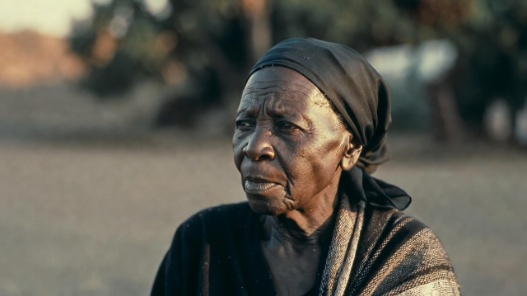
Many elderly people live quietly with feelings of sadness and disconnection, often without anyone noticing. In a world that moves quickly and prioritises youth, older adults can sometimes feel forgotten. However, their lives, experiences, and wisdom remain incredibly valuable to families and communities.
More importantly, it reminds us that small acts of kindness and connection can make a significant difference in the lives of older people.
What Is Loneliness?
Loneliness is not simply being alone. It is the feeling of being disconnected, unwanted, or emotionally distant from others. An elderly person may live with family members and still feel lonely if meaningful interaction is missing.
For many older adults, loneliness develops gradually. A person who once had a busy life filled with work, friendships, and family activities may suddenly find themselves with fewer people to talk to and fewer places to go.
This emotional isolation can become deeply painful over time.
Why Loneliness Among the Elderly Is Increasing
Several social and personal factors contribute to loneliness among older adults.
1. Loss of a Spouse or Close Friends. One of the most common causes of loneliness in old age is the death of a spouse or lifelong friend. Many couples spend decades together, sharing daily routines and emotional support. When one partner passes away, the surviving partner often struggles with grief and emptiness. Similarly, elderly individuals may lose friends from their generation, which reduces their social circle.
2. Retirement and Loss of Daily Purpose. Work provides more than just income. It also provides structure, social interaction, and a sense of purpose. After retirement, many elderly people suddenly lose their daily routine. Without activities to keep them engaged, days can feel long and empty. This loss of purpose can slowly turn into loneliness.
3. Physical Health Challenges. Ageing often comes with health challenges such as arthritis, hearing loss, vision problems, or limited mobility. These conditions can make it difficult for elderly individuals to leave their homes or participate in social activities. When visiting friends or attending gatherings becomes difficult, isolation can grow.
4. Family Living Far Away. Today, families often move to different cities or countries for work and opportunities. While technology allows people to stay connected, it cannot fully replace face-to-face interaction. Many elderly parents live far away from their children and grandchildren. Phone calls may become the only connection they have.
5. Digital Exclusion. Modern communication is increasingly digital. Social media, messaging apps, and video calls have become the main ways people stay in touch. However, many elderly individuals are not comfortable using these technologies. This digital gap can make them feel excluded from conversations and family interactions.
Emotional and Health Effects of Loneliness
Loneliness is not only an emotional issue; it can also affect physical and mental health.
Depression and Anxiety. When loneliness continues for a long time, it can lead to depression and anxiety. Older adults may feel that they are no longer important or valued. These feelings can slowly affect their confidence and outlook on life.
Cognitive Decline. Research has shown that social interaction helps keep the brain active. Conversations, laughter, and shared experiences stimulate the mind. When elderly people spend long periods alone, they may experience faster memory decline.
Poor Physical Health. Loneliness can weaken the immune system and increase stress levels. Studies suggest that chronic loneliness may contribute to health problems such as heart disease and high blood pressure. Elderly individuals who feel isolated may also neglect their diet, medication, or exercise.
Reduced Life Satisfaction. Perhaps the most heartbreaking effect of loneliness is the loss of joy in everyday life. Activities that once felt meaningful may begin to feel pointless when there is no one to share them with.
Signs That an Elderly Person May Be Lonely
Loneliness is not always obvious. Many older adults hide their feelings because they do not want to worry others. However, some common signs include:
* Withdrawal from social activities
* Lack of interest in hobbies
* Frequent sadness or mood changes
* Changes in sleeping or eating habits
* Talking often about feeling forgotten
* Reduced communication with family or friends
Recognising these signs early can help families and communities provide support.
How You Can Help
Family members play an important role in reducing loneliness among elderly relatives. So, you can help by doing all or any of the following.
Spend Quality Time. Regular visits can make a huge difference. Even a short conversation over tea can brighten an elderly person's day. Listening to their stories and experiences shows that their voice still matters.
Encourage Participation. Encourage elderly relatives to participate in activities they enjoy, such as gardening, cooking, reading, or attending community events. Helping them stay active keeps both the mind and body engaged.
Teach Basic Technology. Teaching older adults how to use smartphones or video calls can help them stay connected with family members who live far away. Patience is important when helping them learn new technology.
Include Them in Family Decisions. Many elderly people feel ignored when family members make decisions without involving them. Asking for their opinions reminds them that they are still valued members of the family.
Community Solutions to Elderly Loneliness
Loneliness among the elderly is not only a family issue; it is also a community responsibility.
Community Centres. Local community centres can organise activities specifically for older adults. These may include exercise classes, art workshops, book clubs, or social gatherings. Such programmes help elderly individuals build friendships and stay active.
Volunteer Visitor Programmes. Some communities organise volunteer groups that regularly visit elderly people who live alone. These visits provide companionship and emotional support. Even simple conversations can improve their mood and well-being.
Intergenerational Activities. Bringing together young people and elderly individuals can be very powerful. Programmes that connect school children with senior citizens encourage understanding and mutual learning. Older adults share wisdom and life experiences, while younger people provide energy and companionship.
Accessible Public Spaces. Cities and towns can reduce loneliness by creating parks, benches, and accessible transport systems that allow elderly people to move around safely. When public spaces are welcoming, older adults feel more comfortable leaving their homes.
Small Actions That Make a Big Difference
Society often celebrates youth while overlooking the needs of older generations. However, elderly individuals carry a lifetime of knowledge, experience, and cultural history. Respecting and supporting them strengthens communities.
Changing attitudes towards ageing is essential. Instead of seeing older adults as dependent or inactive, society should recognise them as valuable contributors. Encouraging social inclusion and respect can greatly reduce loneliness among the elderly.
Helping elderly individuals feel less lonely does not always require large programmes. Sometimes, small gestures can mean the most. Examples include:
* Calling an elderly relative regularly
* Visiting an older neighbour
* Offering help with groceries or errands
* Listening patiently to their stories
* Inviting them to community or family events
These simple actions show care and remind older adults that they are not alone.
As life expectancy increases, the number of elderly people around the world continues to grow. Addressing loneliness among this population is becoming more important every year.
Governments, communities, families, and individuals must work together to ensure that ageing does not lead to isolation. Creating supportive environments, encouraging social participation, and valuing the contributions of older adults can help build a more compassionate society.
Ultimately, loneliness among the elderly is a silent challenge that affects millions of people worldwide. While ageing brings natural changes, emotional isolation should not be accepted as part of growing older.
Every conversation, visit, and act of kindness helps create a world where older adults are not left behind. In the end, the way we treat our elderly today reflects the kind of society we are building for tomorrow.





Comments (0)
Please sign in to join the conversation.
Loading comments...