


On a cool harmattan morning in Kano, with a fine veil of dust softening the sunrise and the call to prayer drifting across the rooftops, Musa sat on the edge of his bed and noticed that his knees had started to hold conversations without him.
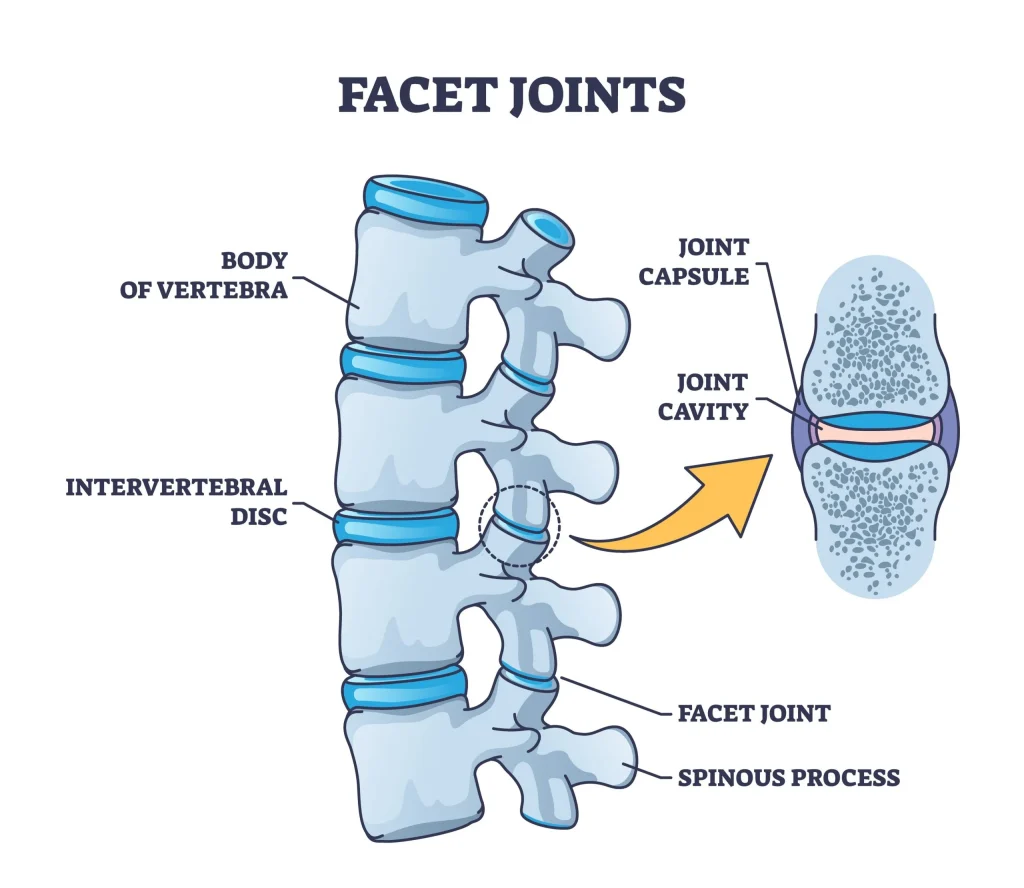
That morning, as he reached for his slippers, a sharp little protest ran through his lower back, and he laughed nervously at himself. His wife, Hauwa, humming softly in the kitchen over a pot of millet porridge, heard the laugh and came to the doorway with a spoon in her hand. “Is the old man talking to you again?” she asked, and for the first time in years, he answered honestly: “I think he is asking to be listened to.”
Years before, a younger Atieno would run up the stairs of her office building two steps at a time, a laptop bag swinging from her shoulder and a mango juice in her hand. She was twenty-eight, proud of her energy, and certain that sleep was something other people needed.
Back in the present, she is forty-six, and she now stands on the shore of Lake Victoria each dawn, stretching slowly while the fishermen’s boats bob like patient toys on the water. She will tell you that her body did not betray her at all. It simply waited politely for two decades before clearing its throat.
Your body has recently started whispering; here are sixteen things worth knowing.
1. Your body speaks early, and it speaks politely
Long before a serious problem arrives, the body usually sends small, courteous notes: a stiff morning, a tired afternoon, a shortness of breath on the stairs, or a restless night that seems to repeat itself. Many of us have been raised to push through discomfort and call it strength, which is admirable but sometimes unwise. Listening early is not weakness; it is the cheapest and kindest form of healthcare there is. Start by keeping a simple note on your phone of anything that repeats for more than two weeks, then mention it to a doctor or clinic nurse. Small notes, caught early, rarely become loud emergencies.
2. Regular check-ups are an act of love, not fear
In many of our communities, people visit the hospital only when pain forces the door open, and so a check-up can feel like an invitation to bad news. Yet routine screening of blood pressure, blood sugar, cholesterol, eyesight, and, depending on your age and sex, prostate or breast and cervical health, is how problems are found while they are still gentle. Think of it as servicing a car you plan to drive for decades. If a clinic feels expensive or far, ask about community health days, which often offer basic checks cheaply. Knowing your numbers brings a surprising calm, and calm is a health benefit in itself.
3. Movement does not need a gym to count
A brisk walk along a dusty road, a morning of tending your small garden, or dancing in the sitting room while the jollof simmers all count as exercise that your joints will thank you for. The aim is regularity, not heroics, and thirty minutes of moderate movement on most days is a widely recommended starting point. Walking protects the heart, steadies blood sugar, eases stiffness, and clears the mind after a stressful day. If you are married, invite your partner along, because company makes the road shorter. If you are single, a neighbour or a friend can serve the same cheerful purpose.
4. Strength protects independence
As the years pass, muscle slowly declines unless we give it a reason to stay, and that quiet loss is what makes stairs, heavy shopping, and getting up from low chairs harder. Gentle strength work, such as carrying water containers, climbing steps deliberately, or doing light resistance exercises under the guidance of a trained person, helps keep bones sturdy and balance reliable. This matters because independence is one of the most precious things we own. Nobody wants to depend on a walking stick before they must. Ask a physiotherapist or a qualified trainer what is safe for your body, and start slowly.
5. Food is medicine you can season
Our traditional meals hold wonderful gifts: beans, leafy vegetables like ugu and efo, groundnuts, fish, millet, sorghum, and fresh fruit. Many of these are rich in fibre and nutrients that support the heart and digestion. The usual challenges are generous portions of starch, heavy oil, and a great deal of salt and sugar. You need not abandon the dishes you love; simply make vegetables take a larger share of the plate, choose water over sugary drinks, and eat slowly enough to notice when you are full. Cooking together, if you share a home, turns healthy eating into a shared pleasure.
6. Sleep is the repair shop you cannot skip
During sleep, the body repairs tissue, steadies hormones, and sorts the day’s memories, so cutting it short is like asking a mechanic to fix your vehicle while you are driving it. Most adults need around seven to nine hours, yet many of us trade rest for work, late-night phone scrolling, or worry. Try to keep a fairly regular bedtime, dim the lights an hour before, and leave the phone outside arm’s reach. If noise or heat disturbs you, a fan and a calm routine help. Persistent snoring or exhaustion despite long sleep deserves a conversation with a doctor.
7. Hydration is simple, and it matters more than we think
Water supports digestion, joints, kidneys, skin, and concentration, and as we age, the sense of thirst can quietly fade, so we drink less without noticing. In warm climates like ours, that gap grows quickly. Keep a bottle of clean water within sight, sip steadily through the day, and let colour be your guide, since pale straw-coloured urine is usually a sign of good hydration. Where water quality is uncertain, boil or filter it first. Fresh coconut water, unsweetened zobo, and fruit-infused water can be lovely additions, though plain clean water remains the dependable old friend.
8. Stress is a quiet tenant who must be managed
Bills, traffic, work pressure, family responsibilities, and the general noise of modern life can sit in the body like an unpaid tenant, raising blood pressure and tightening shoulders. You cannot always evict stress, but you can teach it manners. Short pauses of slow breathing, a prayer or meditation practice that fits your faith, a quiet cup of tea on the veranda, or a daily ten-minute walk can soften its grip. Notice what truly restores you, whether it is music, gardening, or fishing, and protect that time like an appointment. Rest is not laziness; it is maintenance.
9. Your mind needs exercise too
The brain thrives on curiosity, so keep it busy with learning a new language, reading, playing draughts or ayo, solving puzzles, or picking up a craft. Tendai began teaching reading to neighbourhood children in the evenings and found his memory sharper within months. Social conversation is also a powerful workout, because following stories and sharing laughter keeps the mind alert. If you notice persistent forgetfulness that disrupts daily life, do not hide it out of embarrassment, because many causes are treatable. Speak to a doctor early, and let your curiosity remain your companion.
10. Emotional health deserves the same respect as physical health
Many of us were taught to swallow sadness, worry, and disappointment, but unspoken feelings tend to settle in the body as headaches, tiredness, or restlessness. It is healthy to name what you feel, whether to a trusted friend, a counsellor, a pastor, an imam, or a spouse who listens without hurrying you. Feeling low for weeks, losing interest in things you once loved, or struggling to sleep are signs worth taking seriously. Seeking support is courage, not failure. Treat your heart with the same tenderness you would offer a friend who came to you with the same burden.
11. Connection is one of the strongest medicines
Research has long suggested that people with warm, steady relationships tend to live healthier and often longer lives. Loneliness, on the other hand, can quietly strain the heart and the mind. If you are married, make time for small daily rituals, such as an evening walk or a shared meal without phones. If you are single, nurture friendships, join a faith group, a cooperative, a sports club, or a community project. Being known by others is a form of protection, so reach out before you feel you need to, and answer when someone reaches for you.
12. Protect your senses, joints, and bones
Hearing, eyesight, teeth, and bones often change quietly, and early attention keeps life richer. Have your eyes tested regularly, visit a dentist at least once a year, and mention any muffled hearing to a clinic. For bones, sunlight in the morning, calcium-rich foods such as fish with soft bones, leafy greens, and dairy where suitable, and weight-bearing movement all help. Wear supportive footwear, keep floors clear and well lit to prevent falls, and be patient with changes. Small repairs made early preserve your confidence in everyday life.
13. Be honest about habits that quietly cost you
Smoking, heavy drinking, constant late nights, and endless sitting are habits that rarely announce their price on the day they are chosen. Rather than feeling ashamed, treat them with honest curiosity: what need is this habit meeting, and could that need be met more kindly? Cutting down is a victory, and so is every smoke-free or alcohol-free day. A clinic, counsellor, or support group can offer practical help, and a patient partner or friend can cheer you on without nagging. Change is rarely a straight line, so forgive the stumbles and keep walking.
14. Money and health are close neighbours
Health costs can arrive suddenly, and many families are caught unprepared. Where possible, enrol in a health insurance scheme or a community health plan, and set aside a small emergency fund, even if it begins with a modest weekly amount. Couples can plan this together, and singles can build it as a gift to their future selves. Avoid delaying treatment because of cost without first asking about payment plans, public clinics, or community support. Planning for health is not pessimism; it is the quiet confidence of someone who has prepared for the weather.
15. Purpose keeps the engine warm
People who wake up with a reason to rise, whether it is a small business, a garden, mentoring younger people, volunteering, or writing down family history, often carry their years with more lightness. Purpose gives the day a shape and the body a reason to move. Hauwa now runs a small cooking circle for young mothers in her neighbourhood, and she says her own energy has returned. Ask yourself what you would like to be useful for in the next ten years, and let the answer be modest or grand. A purposeful life is a protected life.
16. Begin small, and begin today
You do not need to change everything by Monday, and you do not need a dramatic resolution. Choose one habit that feels kind and doable, such as a ten-minute walk after dinner, a glass of water on waking, or booking a check-up, and practise it for two weeks. Then add another. Gentle progress is more durable than sudden zeal, and every small step tells your body that you are on its side. Whether you are married, single, or somewhere in between, your later years can be your most thoughtful, so start where you stand.



Comments (0)
Please sign in to join the conversation.
Loading comments...