

Imagine a parent dropping off their child at school or heading to church for prayer, only to face the nightmare of never seeing them again that day. That's the harsh reality many families in Kwara and Niger States endured in recent months when armed gangs struck without warning.

It started in Eruku, Kwara, where gunmen burst into the Christ Apostolic Church during an evening service, killing two and snatching 38 worshippers right from their pews. Days later, in Papiri, Niger State, bandits raided St. Mary's Catholic boarding school at dawn, hauling away over 150 students and teachers - mostly young kids dreaming of a better future. Those early weeks were pure agony for the families. Mothers and fathers camped outside police stations, clutching photos of their missing loved ones, whispering prayers while sleepless nights blurred into days. The bond between parents and children, that sacred thread of protection and nurture, got brutally torn.
Kids who should be safe in classrooms or under parental watch were marched into forests, facing hunger, fear, and uncertainty. Worshippers seeking spiritual solace found themselves in captivity instead.
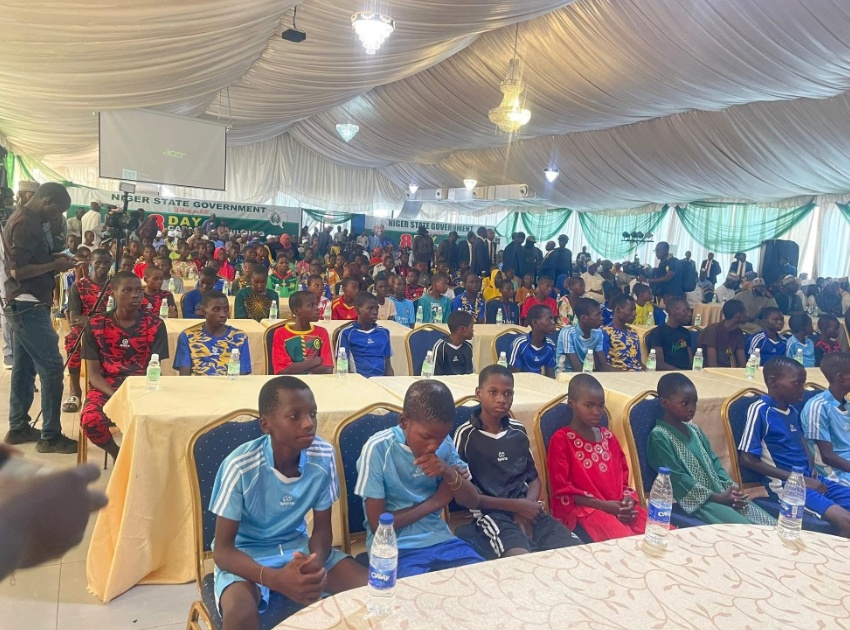
Yet, amid the darkness, glimmers of hope emerged. The 38 church members were freed first, reuniting with tearful relatives who embraced them like miracles returned. Then, in batches, the school victims came back - first some who escaped, then 100, and finally the remaining 130 just before Christmas. Picture those reunion scenes: children running into arms that had ached for weeks, parents sobbing as they felt the warmth of their little ones again. Families gathered around tables once more, sharing stories of survival, rebuilding that sense of security brick by brick.
But let's be honest - these returns don't erase the scars because these survivors carry trauma that might haunt bedtime stories or family gatherings for years. Parents now hesitate to send kids back to school, wondering if the classroom door will lead to safety or danger. On a deeper level, this crisis strikes at the heart of family values across Nigeria. When children can't learn without fear, education - a cornerstone of raising responsible generations - suffers. Parents feel powerless, unable to fulfill their role as providers and protectors.
Communities that once thrived on togetherness, with extended families supporting one another through thick and thin, now live in suspicion. Travel for visits becomes risky, weddings and funerals disrupted, eroding the communal ties that hold Nigerian families strong. And think about the wider ripple: millions of parents nationwide now second-guess every outing, hugging their kids a little tighter, teaching caution over innocence. The joy of family life dims under this shadow of insecurity.
Globally, these stories remind us how fragile family bonds can be in conflict zones. International eyes turned to Nigeria, highlighting how instability here affects migration, aid needs, and even perceptions of African resilience. In the end, while we're celebrating these safe returns as triumphs of perseverance, we must ask: how many more families can endure this cycle?
Strengthening security isn't just policy - it's about preserving the very essence of home, love, and legacy for generations to come.
Comments (0)
Please sign in to join the conversation.
Loading comments...