

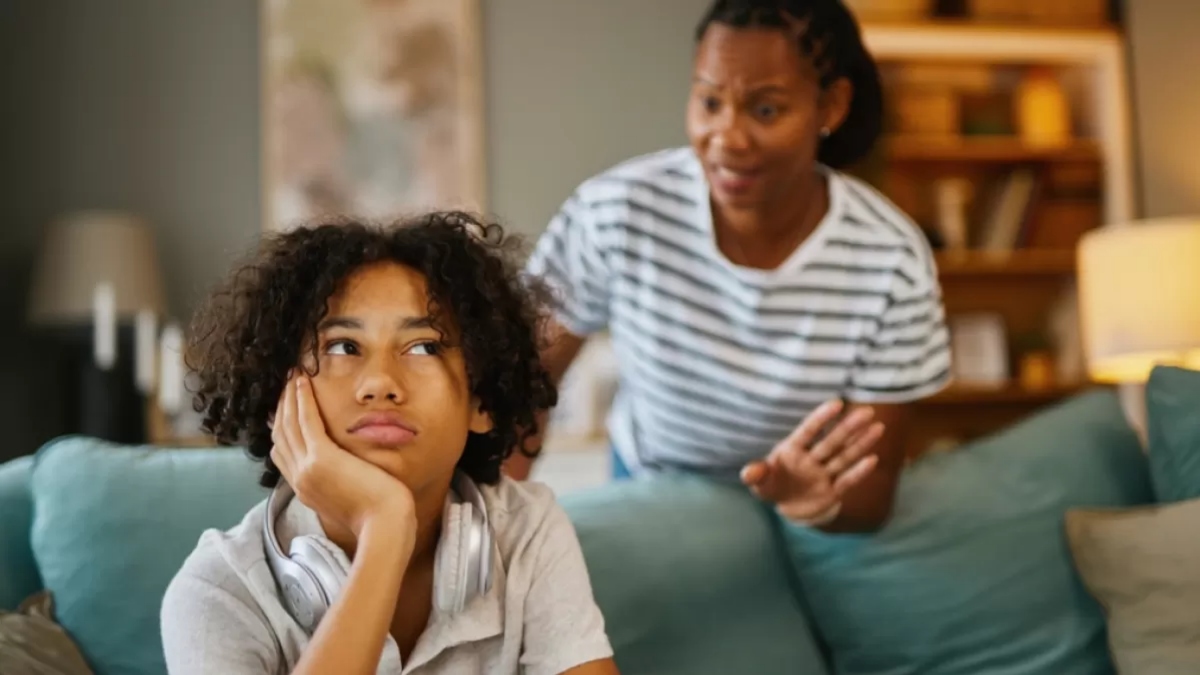
It was a Tuesday evening, the kind where the smell of suqaar and rice filled the small apartment, when 13-year-old Xasan Warsame set his fork down and said, quietly, "Can I tell you something?" His mother, Amina, was scrolling through a work email on her phone, half-nodding, saying "mm-hmm, go ahead, habibi" without looking up.
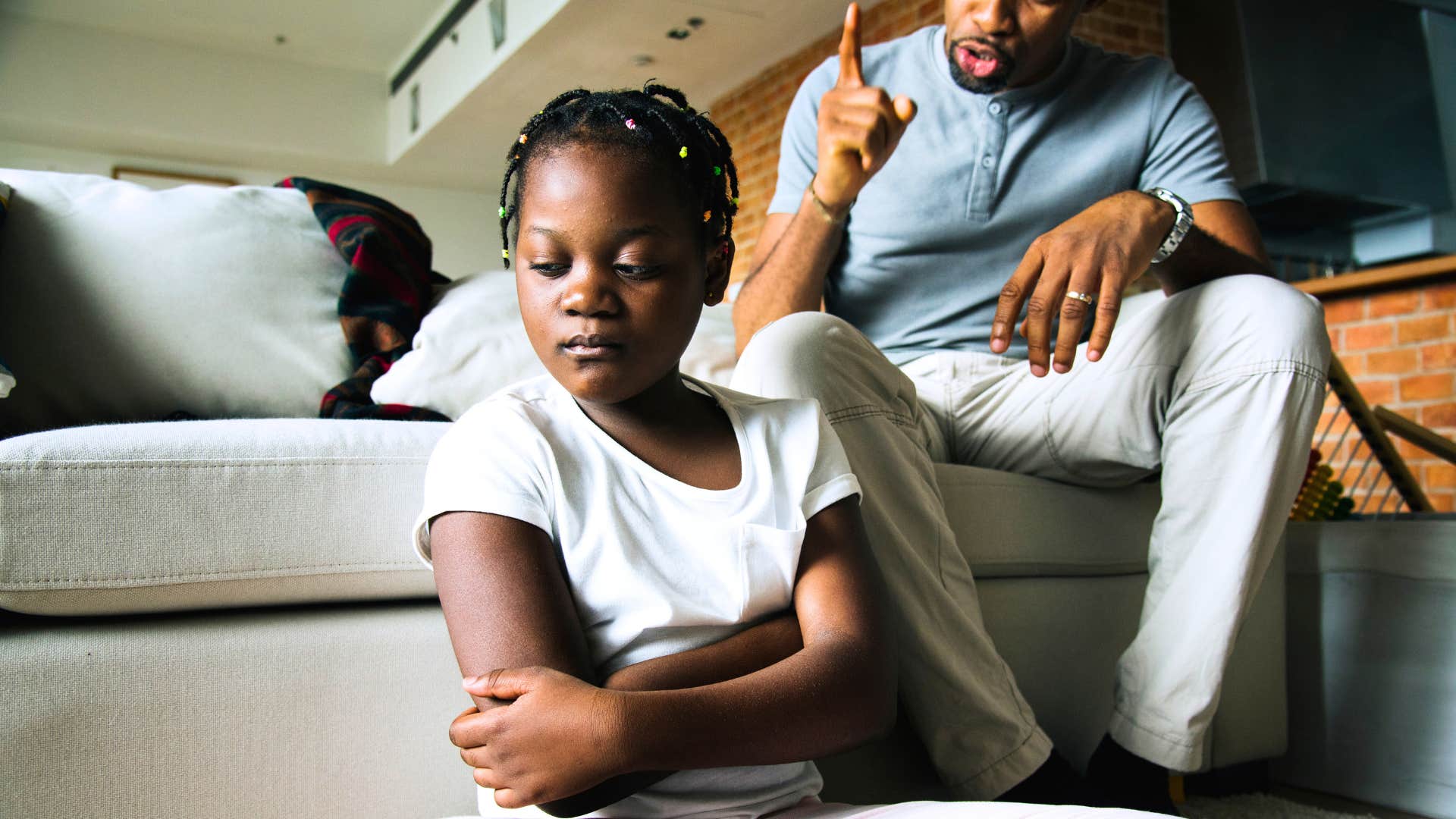
His father, Yusuf, was on a call in the next room about a shift change at the warehouse. Xasan opened his mouth, closed it again, and picked his fork back up.
Across cultures where respect for elders is sacred, and children are taught not to "talk back," there's a quiet but real gap that opens between what parents assume they're doing and what children actually feel.
Here's what usually drives that gap, laid out plainly:
Survival mode replaces presence. When parents are working long hours or managing financial stress, listening gets reduced to logistics while the emotional layer underneath gets skipped entirely.
Cultural silence gets mistaken for peace. In many homes, a quiet child is often read as a well-behaved child, when sometimes that silence is actually retreat.
Parents were never truly heard themselves. Amina's own mother had raised six children through war and displacement; there was no room, back then, for feelings to be discussed. She parented the way she was parented, not because she didn't love Xasan, but because no one ever showed her another way.
Technology fractures attention in ways older generations don't always register - a "mm-hmm" while scrolling feels like listening to the parent, but feels like dismissal to the child.
Fear of "spoiling" the child makes some parents intentionally withhold emotional engagement, believing toughness builds resilience, when it often builds distance instead.
None of these reasons makes a parent careless. They make a parent human. But understanding why the gap exists is the first step to closing it.
What Actually Changed the Warsame Household
It was a school counsellor, Ms Ifrah Aden, who called Amina in after noticing Xasan repeatedly drawing the same image in class: a boy standing outside a lit window, alone.
That call was uncomfortable.
Amina felt accused, defensive, ashamed.
But she went home that night and did something different: she sat on the edge of Xasan's bed, her phone in the kitchen, and asked one question.
"What's something you tried to tell me that I didn't really hear?"
Xasan cried before he answered. Then he told her everything - Deeq, the isolation, the drawings, the loneliness of being "the good one." Amina didn't fix it that night. She just listened, fully, for the first time in months. That single hour didn't erase the distance, but it cracked it open.
What Parents Can Actually Do, Starting Today
1 - Put the phone away before the conversation starts, not during it. Children read a paused scroll as a sign of tolerance, not attention.
2 - Ask questions that can't be answered in one word. Instead of "How was school?" try "What's something that made you feel proud or embarrassed today?"
3 - Let silence sit after your child speaks, instead of immediately offering a solution, a correction or a proverbial lesson. Sometimes they just need to be heard, not taught.
4 - Separate discipline from dialogue. A child who fears punishment for honesty will edit the truth to survive the conversation.
5 - Revisit your own childhood honestly. Ask yourself who listened to you, and who didn't; it often explains more about your parenting instincts than you'd expect.
6 - Make space weekly, not just in crisis. A short, unhurried check-in on a normal Tuesday prevents the silence from building for months.
What Children Can Do When They Feel Unheard
Choose your moment wisely - catching a tired or distracted parent rarely goes well, so try mornings or quiet weekend hours instead.
Find one trusted adult - a teacher, an aunt, an older cousin, a counsellor if home still feels closed, because being heard somewhere matters more than being heard everywhere.
Keep trying, even once, even quietly - the door reopening depends on someone knocking again.



Comments (0)
Please sign in to join the conversation.
Loading comments...