


There is a particular kind of pain that does not announce itself loudly. It does not come with shouting or broken plates. It arrives quietly at the dinner table, in the car, or in the hallway, wrapped in cold shoulders, tight lips, and the heavy silence of two people who have decided that hurting each other is more important than healing. Meanwhile, sitting right in the middle of it all, absorbing every single bit of it, is a child.
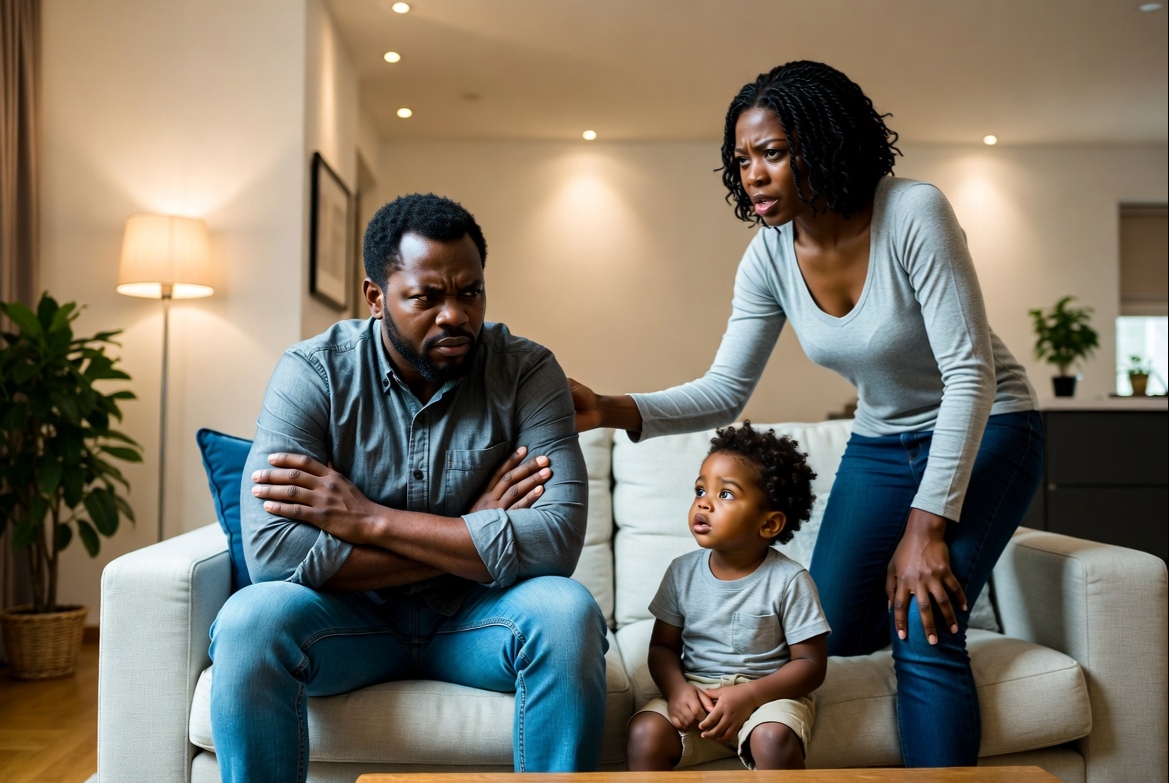
Keeping malice, that deliberate, sustained act of withholding warmth, communication, and kindness from someone you are supposed to love, is one of the most underestimated forms of emotional warfare that plays out in homes around the world. Parents often convince themselves that as long as they are not screaming or fighting physically, their children are safe. The truth, backed by decades of psychological research, tells a very different story.
Children are not spectators; they are participants
The first thing to understand is that children do not simply observe conflict. They absorb it. A child's nervous system is extraordinarily sensitive, particularly in the early years. When a child grows up watching a parent stonewall the other parent, refusing to speak, walking out of rooms, and making the air feel thick and cold, their brain registers it as a threat. Not because they fully understand what is happening, but because the people they depend on for survival are clearly not okay.
Make Children's Day The Event Our Kids Will Never Stop Talking About
This chronic low-level tension activates what psychologists call a "stress response." The brain floods with cortisol, the hormone associated with fear and danger. When this happens occasionally, it is manageable. But when it happens every day, week after week, and year after year, the child's developing brain literally rewires itself around the expectation of conflict, tension, and emotional unavailability.
The emotional consequences that follow them into adulthood
Children raised in households where malice and silent treatment are the dominant responses to disagreement often grow into adults who struggle deeply with relationships. They may find themselves either hyper-vigilant, always scanning their partner's face for signs of displeasure, or emotionally shut down, mirroring the coldness they witnessed for so many years. Neither response leads to a healthy, loving relationship.
Many develop what therapists call anxious attachment. It is a constant, gnawing fear that the people they love will withdraw affection or abandon them altogether. This is hardly surprising when you consider that, as children, warmth was something that could be switched off overnight without warning or explanation. Love, for them, was never fully safe.
Research consistently shows that children exposed to prolonged parental coldness and conflict are significantly more likely to develop anxiety, depression, and low self-esteem. These are not minor inconveniences but life-altering conditions that can persist well into middle age without the right support.
The guilt children carry for things that were never their fault
One of the cruellest aspects of growing up around parental malice is the guilt it produces in children. Young children, in particular, are deeply egocentric, not in a selfish way, but in a developmental way. They genuinely believe that they are the cause of everything that happens around them. When Mum stops talking to Dad, a six-year-old will not think, "My parents are having an unresolved disagreement." She will think, "I must have done something wrong."
This guilt is corrosive. It teaches children that conflict is their responsibility to manage, that they must become small and quiet to keep the peace, and that their needs are secondary to the emotional storms of the adults around them. Many will spend their entire childhoods tiptoeing around the house, reading the room, trying desperately to keep both parents happy. This is an exhausting, impossible job that no child should ever have to take on.
What it does to a child's sense of identity
Perhaps the most profound and lasting impact of watching parents keep malice is what it does to a child's understanding of themselves. Children build their identity largely by watching and internalising the behaviours of their primary caregivers. When those caregivers model resentment, stonewalling, and emotional withdrawal as valid responses to conflict, children internalise these as normal. They become the template.
So, the cycle continues. The child who watched her mother refuse to speak to her father for days on end may, twenty years later, find herself doing the exact same thing to her own partner. This is not because she is a bad person, but because nobody ever showed her a different way. Generational trauma does not require abuse in the traditional sense. It can travel through silence just as effectively as it travels through violence.
It is never too late to do things differently
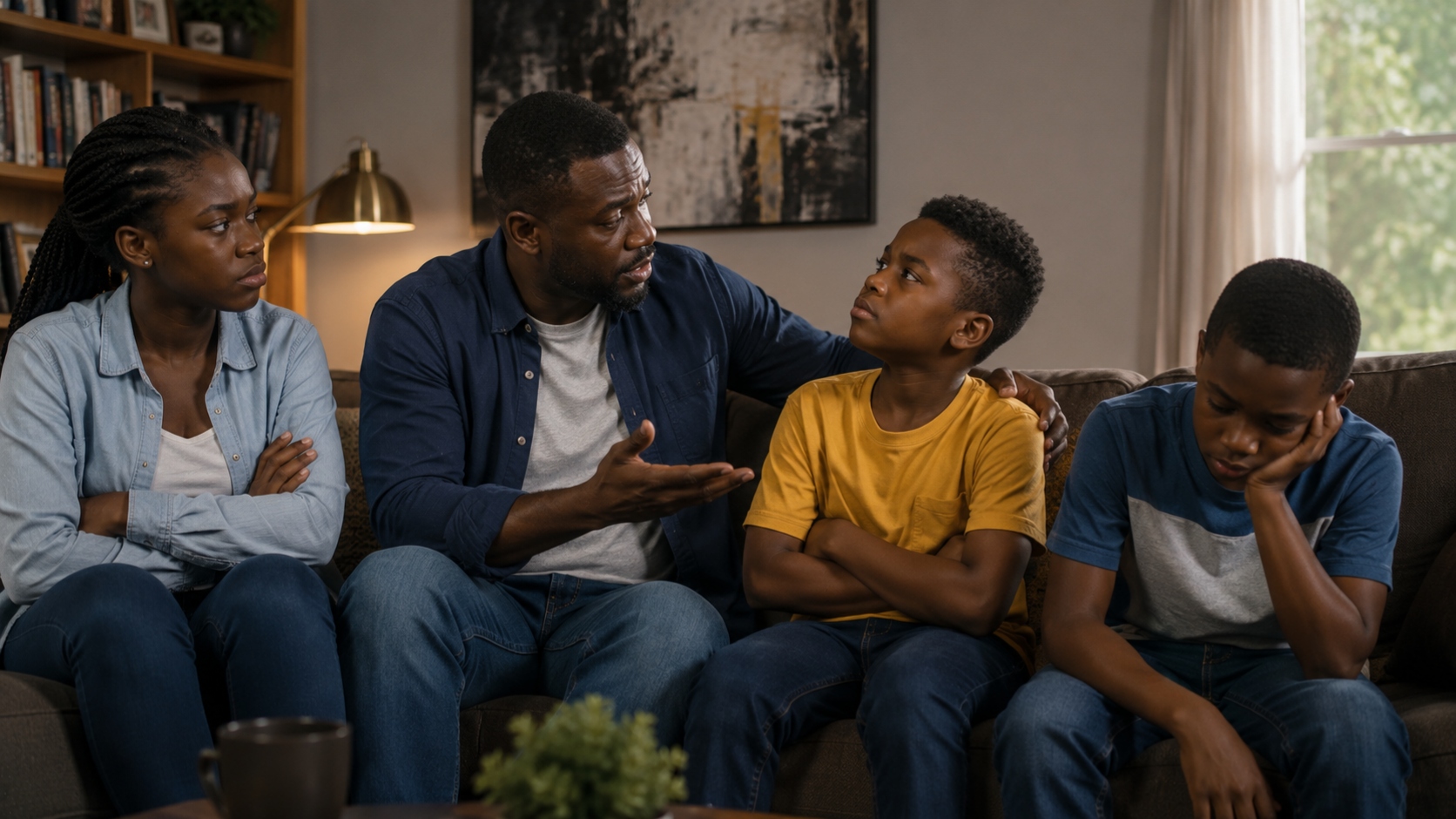
If you recognise yourself in any part of this, either as a parent who has used silence as a weapon, or as an adult who grew up watching this play out, please know this. Awareness is the beginning of change. No parent is perfect, and acknowledging the impact of certain behaviours is not an act of self-condemnation. It is an act of courage.
Children are remarkably resilient, particularly when at least one adult in their life models emotional accountability and repair. Saying sorry to your child, explaining adult conflict in age-appropriate terms, and demonstrating that disagreements can be resolved with kindness are enormously powerful acts. They communicate to your child that love does not expire when things get difficult. That is one of the most important lessons a parent can ever teach.
Conclusion
Children deserve to grow up in homes where love feels safe, where conflict is handled with dignity, and where silence is used for rest, not punishment. That starts with the adults in the room choosing, each and every day, to do better. Not for yourself, but for the small, watchful eyes that are learning what love looks like by watching them.


Comments (0)
Please sign in to join the conversation.
Loading comments...