The theme for World Cancer Day 2026, as part of the 2025-2027 campaign led by the Union for International Cancer Control (UICC), is United by Unique.
This powerful message places people at the center of cancer care, recognizing that every journey with cancer is deeply personal and shaped by individual stories, needs, values, and circumstances, while calling on all of us to unite in shared goals of prevention, early detection, equitable access to services, and holistic support.
Cancer touches families in ways words often fail to capture. It brings fear, exhaustion, moments of hope, quiet nights of worry, and unexpected strength.
Behind every diagnosis is a mom who still wants to pack school lunches, a dad fighting to stay strong for his kids, siblings holding hands tighter, or grandparents cherishing extra time.
Traditional care sometimes zooms in only on tests, treatments, and symptoms, but United by Unique reminds us we must see the whole person and family first with compassion, empathy, and real involvement in decisions.
We believe families hold incredible power here when care honors unique needs—like cultural beliefs, financial realities, emotional support systems, or daily living challenges that it leads to better healing, less isolation, and stronger bonds.
This World Cancer Day (February 4), let's embrace this shift together as families, supporting one another to rewrite stories of cancer with more humanity at the heart.
Here are 10 practical, family-focused ways we can live out "United by Unique" right now, making a real difference in our homes, communities, and beyond.
(1) Start family conversations about cancer openly and gently: Gather everyone, - kids included - for honest talks. Share feelings without judgment. Ask, "How are you really feeling today?" This builds trust and helps spot early emotional needs. Many families find that simple check-ins reduce fear and strengthen unity.
(2) Listen to the person's full story, not just the medical one: When a loved one is diagnosed, resist jumping straight to "What does the doctor say?" Instead, ask about their fears, hopes, daily routines, or what makes them feel like themselves. Let their unique voice guide how you show up - maybe it's cooking favorite meals, praying together, or just sitting in silence.
(3) Advocate for personalized care plans together: Attend appointments as a family team and prepare questions like: "How can treatment fit our lifestyle?" or "What support exists for mental health and finances?" Push gently for care that considers income, living conditions, cultural preferences, and family roles. When families speak up, doctors often adapt plans to feel more human.
(4) Create a family support roster with unique roles: Not everyone can do the same thing. One sibling handles meals, another drives to chemo, a teen researches fun distractions, and grandma offers prayers or stories. Assign tasks based on strengths because this honors uniqueness while sharing the load and preventing burnout.
(5) Prioritize mental and emotional well-being as a unit: Cancer affects moods, sleep, and relationships. Make space for counseling, support groups, or simple rituals like family movie nights or walks. Encourage everyone including caregivers to express grief or joy. Small acts of kindness, like surprise notes or hugs, remind us we're in this together.
(6) Push for early detection in your circle: Encourage regular check-ups, screenings, and healthy habits as family traditions. Share stories: "Auntie caught it early because of that mammogram, so let's all go this year." Early action saves lives and eases family burdens.
(7) Build a community safety net around the family: Reach out to neighbors, church groups, or online communities. Ask for specific help - childcare, grocery runs, or prayer chains. When families feel supported beyond blood ties, isolation fades and resilience grows.
(8) Celebrate small wins and unique joys daily: Amid treatments, notice and honor little victories - a good appetite day, a laugh shared, a completed puzzle. Keep a family gratitude jar or photo wall of happy moments because focusing on life, not just illness, keeps hope alive.
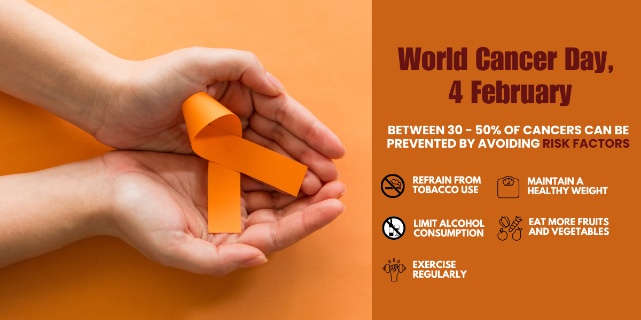
(9) Learn and educate yourselves as a team: Read reliable resources together (start with worldcancerday.org). Discuss prevention steps like avoiding tobacco, eating balanced meals, staying active, and protecting skin from sun. Knowledge empowers families to act preventively and supportively.
(10) Join or start local actions for equitable care: On World Cancer Day and beyond, participate in awareness walks, share #UnitedByUnique stories online, or volunteer with cancer organizations. Advocate for better access in your area whether through policy chats or fundraising. When families unite locally, we help build systems that truly see and serve every person.
We know cancer can feel overwhelming, but remember: you're not alone, and your story matters. By embracing 'United by Unique' we choose compassion over checklists, people over protocols, and hope over hopelessness. Families like yours have turned pain into purpose time and again—through love, listening, and collective strength.
This February 4, let's commit as families to see the person before the patient, to hold space for every unique journey, and to stand united in rewriting cancer's future. Because when we center people with all our differences and shared hearts, we don't just fight cancer; we heal together.
Your family’s story is powerful. Share it, live it, protect it. Together, we are stronger.




Comments (0)
Please sign in to join the conversation.
Loading comments...