

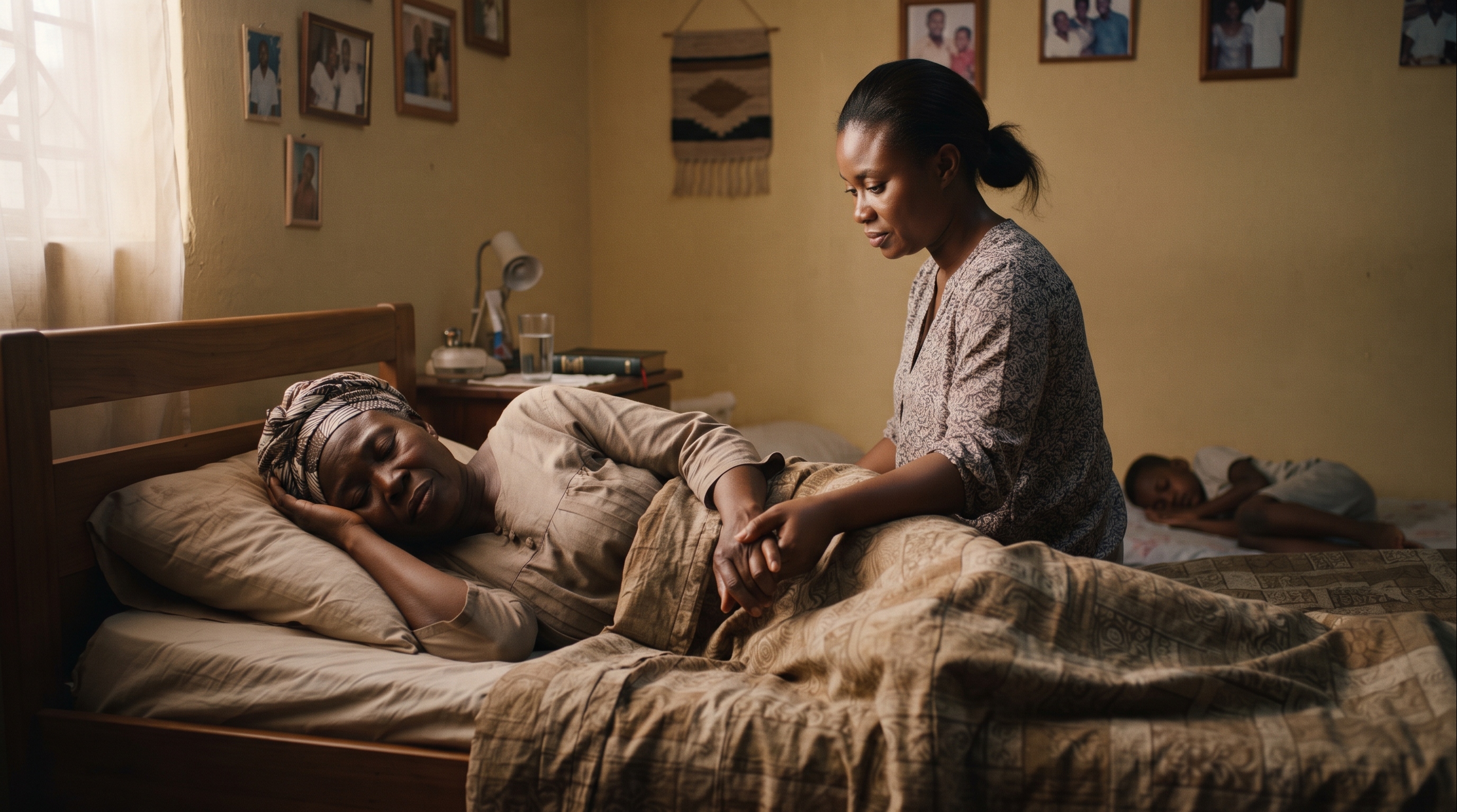
The kitchen fire had burned down to orange embers by the time Mama Adaeze finally sat. It was 9 p.m. Her hands, cracked from years of washing clothes at the borehole, rested in her lap. Within minutes, her chin dropped to her chest. The pot of egusi soup she had promised to finish for tomorrow's ceremony sat half-stirred on the stove.
Her daughter, home from Lagos for the weekend, watched quietly. "Mama, go and sleep small," she said gently.
"I am not sleeping," Mama Adaeze replied, eyes still closed. "I am only resting my eyes."
Every family across this continent knows a version of this scene. The uncle who dozes off mid-sentence at family meetings. The young father who nods off at his desk after driving through Accra's morning traffic. The grandmother who falls asleep during Sunday service, waking with a startled "Amen!" The teenager who cannot stay awake during homework, no matter how many times she's scolded for laziness.
We laugh about it. We tease each other about it. But underneath the laughter is something we rarely name: excessive daytime sleepiness and the quiet exhaustion carried by so many African households.
In many of our communities, tiredness is treated as a badge of honour. To be exhausted means you are working hard, providing, and sacrificing. Rest is often seen as something earned only after every duty is fulfilled - the last child fed, the last visitor attended to, the last prayer said.
But when sleepiness becomes a daily companion, it is no longer simply tiredness. It is a warning that the body is under strain and needs attention.
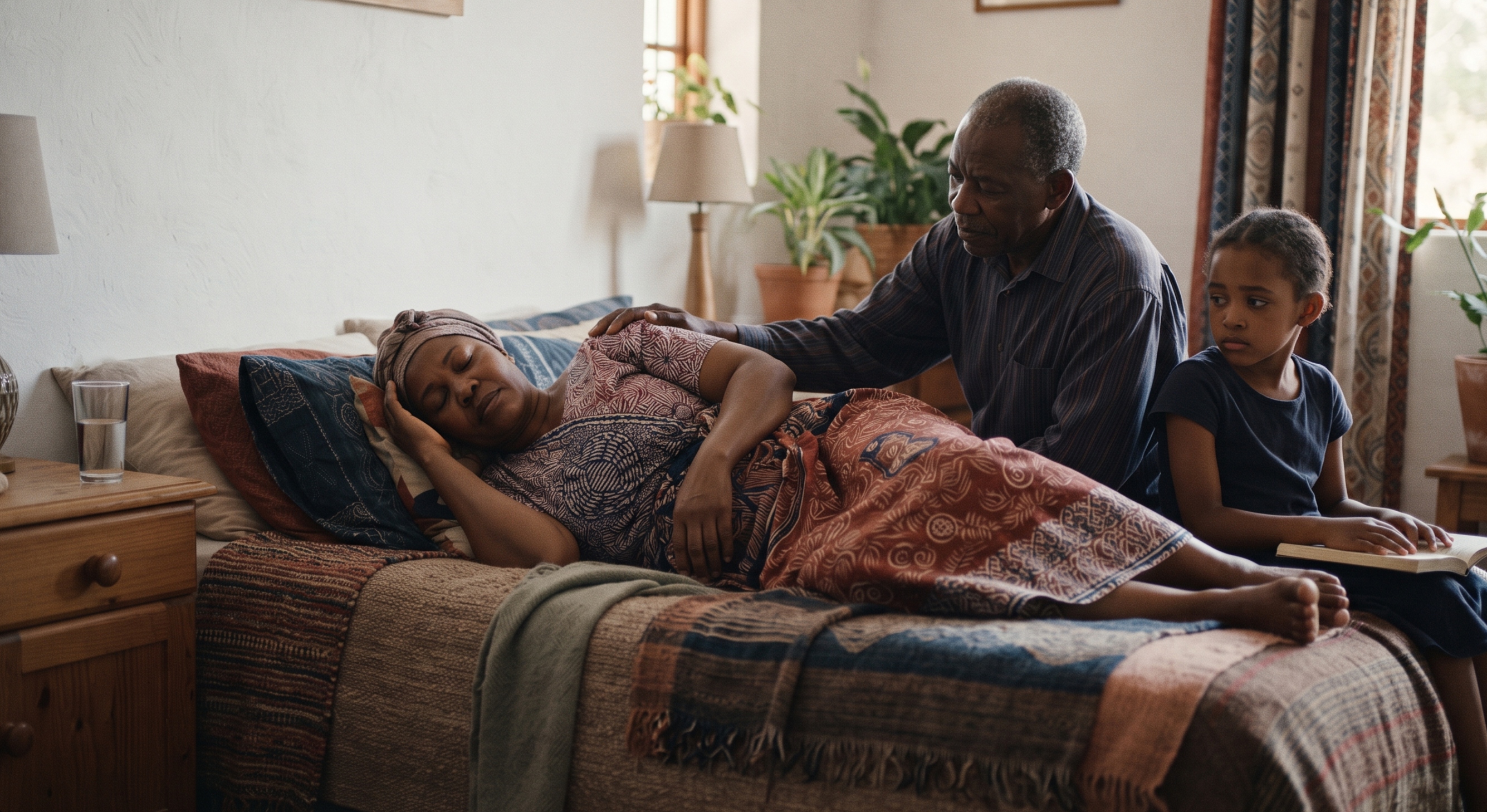
Excessive daytime sleepiness rarely announces itself loudly. It arrives in small ways: the father who falls asleep before his children finish telling him about their day. The wife who begins to feel invisible because her husband is always resting when she needs him present. The caregiver, exhausted from tending to an ageing parent through the night, who can no longer trust her own alertness behind the wheel.
These are not signs of weakness. They are signs of a body carrying more than it can hold, and of a family feeling that strain too.
Life across African households often unfolds in layers of responsibility. There is the extended family to support, the small business to run before sunrise, the long commutes through crowded cities, the nights interrupted by a crying infant or an unwell elder.
Add to this irregular meals, unresolved stress, undiagnosed health conditions, or simply too many nights of insufficient rest, and the body eventually protests.
Sleep is not a luxury. It is the quiet architecture that holds a family together. When it collapses, patience shortens, tempers rise, and the warmth we try to give our spouses, children, and parents becomes harder to access.
Understanding this is not about assigning blame. It is about recognising that the sleepy uncle, the drowsy mother, the yawning teenager are not indifferent - they are depleted.
Practical Wisdom for Weary Families
1. Honour rest as sacred, not lazy.
Across many African traditions, elders once observed natural rhythms — rising with the sun, resting during the heat of the day, sleeping with intention after dusk. Reclaiming even small pockets of rest during the day is not indulgence; it is wisdom passed down through generations who understood balance long before modern life complicated it.
2. Protect a consistent sleeping time, even amid chaos.
Households are rarely quiet, especially with children, visitors, or communal living. Yet where possible, establishing a steady bedtime, even by 30 minutes, helps regulate the body's internal clock.
3. Watch what fuels the exhaustion.
Heavy, oily meals late at night, excessive caffeine to stay strong, or skipping meals entirely can worsen daytime fatigue. Simple, nourishing food eaten at reasonable hours restores more than we realise.
4. Create space for afternoon rest, without guilt.
A short rest after lunch is not old-fashioned. It is physiologically wise. Even 15 minutes can restore alertness for the hours ahead.
5. Talk about tiredness instead of hiding it.
Families often normalise exhaustion instead of addressing it. A gentle conversation, "You seem more tired than usual, is everything alright?" - can open doors to healing rather than shame.
6. Seek medical guidance when sleepiness persists.
When tiredness lingers despite adequate rest, it may signal underlying health concerns such as anaemia, thyroid imbalance, or sleep disorders. Visiting a clinic is not a sign of weakness; it is an act of responsibility to the family who depends on you.
7. Redistribute the load within the family system.
So much daytime sleepiness stems from carrying burdens alone - night duties, caregiving, providing. Involving other family members, even in small ways, restores balance and prevents one person from silently crumbling under the weight of it all.
The Hope Beneath the Exhaustion
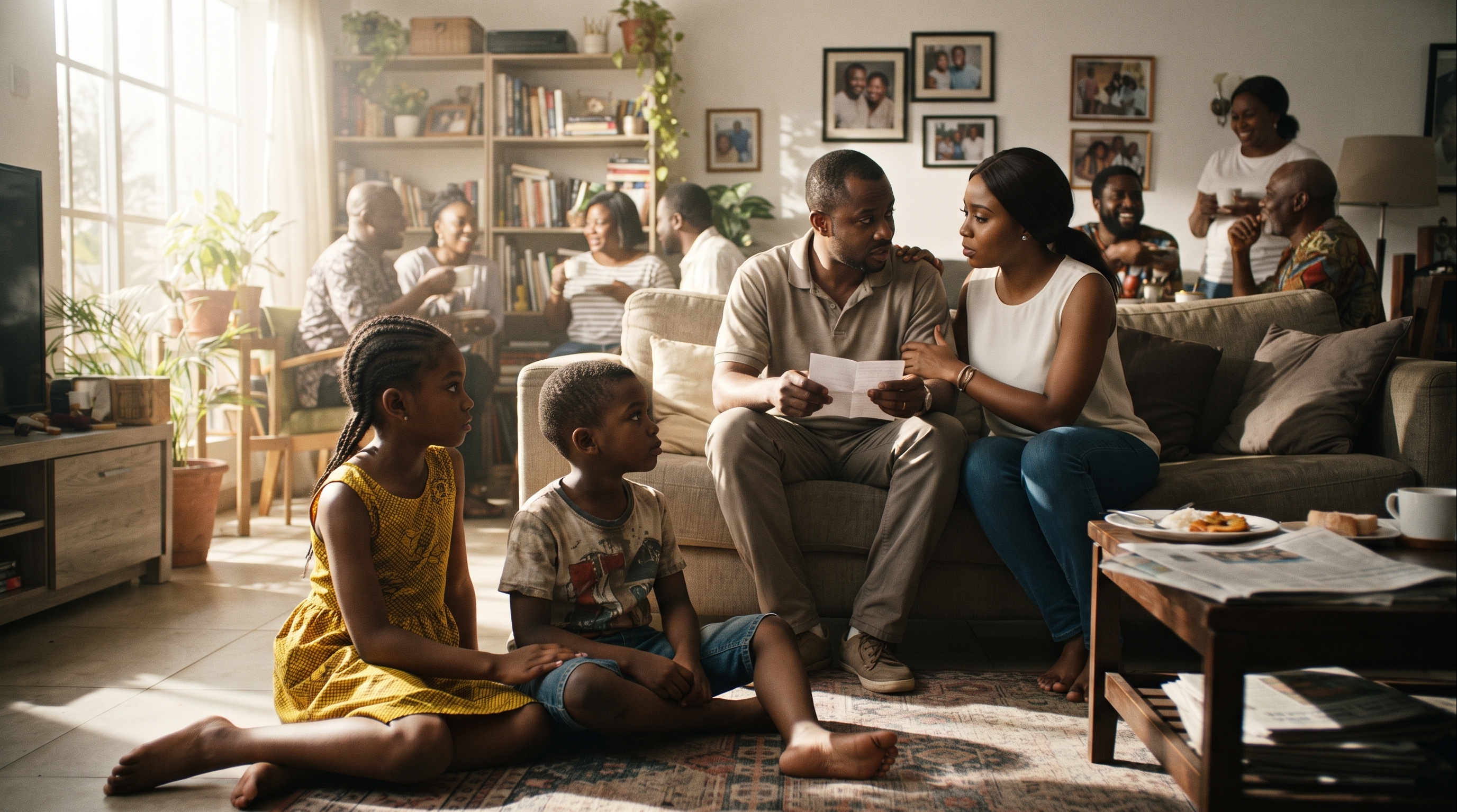
Healing rarely comes through grand transformations. It comes through small, consistent acts of care - a son insisting his father rest before evening prayers, a wife encouraging her husband to see a doctor instead of "toughening it out," a daughter learning to recognise her mother's fatigue as something worth addressing rather than dismissing.
Every family carries someone who is quietly tired. Naming it with compassion, rather than criticism, is often the first step toward restoring the vibrancy that fatigue slowly steals away.
The Ember That Still Glows
Later that night, Mama Adaeze's daughter gently woke her mother and guided her to bed, promising to finish the soup herself. As she stirred the pot alone in the quiet kitchen, she thought of all the years her mother had stayed awake for everyone else - and how, perhaps, it was time the family learned to stay awake for her.
Family is built not only in the loud moments of celebration, but also in these silent hours when someone chooses to notice, to care, and to gently insist: rest now, we have you.
Because in every home, on every street, in every corner of this continent, tiredness whispers a truth worth listening to - that the people who hold our families together deserve, too, the mercy of rest.


Comments (0)
Please sign in to join the conversation.
Loading comments...