

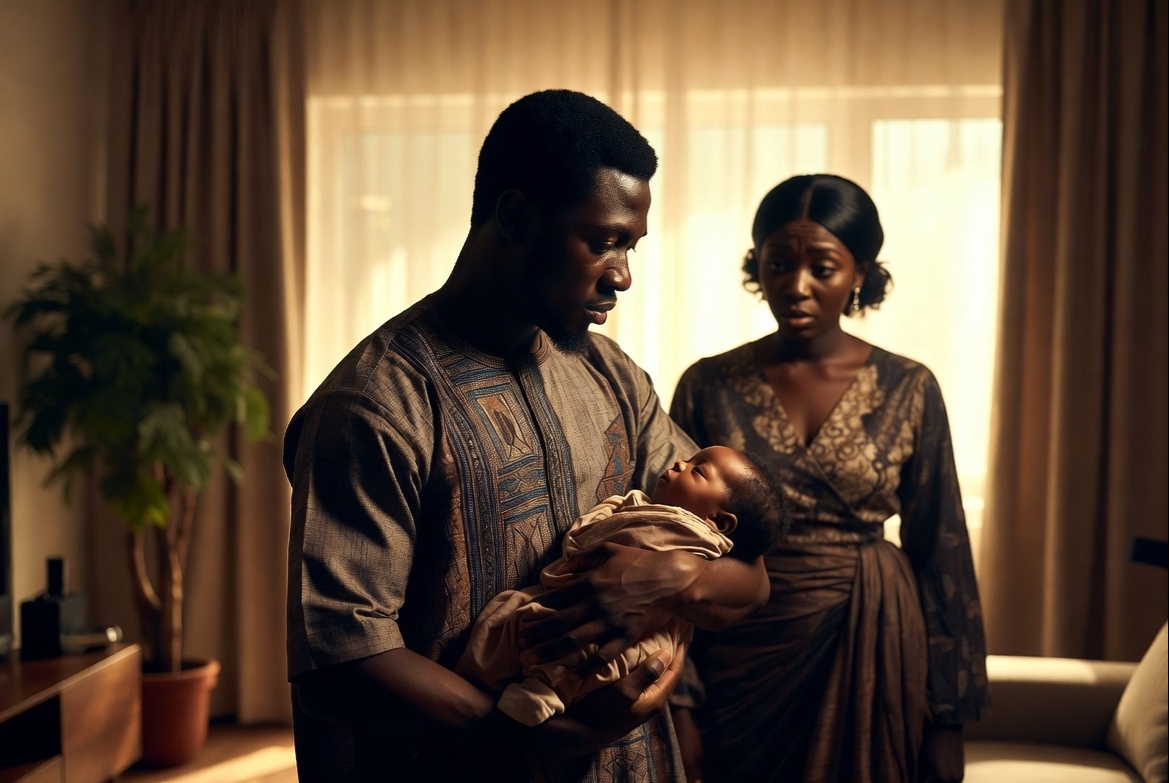
There is a conversation happening in living rooms, WhatsApp groups, and hospital corridors across Africa that nobody wants to put a name to. A man looks at a child and something inside him shifts. He says nothing. He provides. He shows up at parents' evenings, naming ceremonies and birthday parties. Yet quietly, in the space between his ribs, a question sits like a stone. Is this child mine?
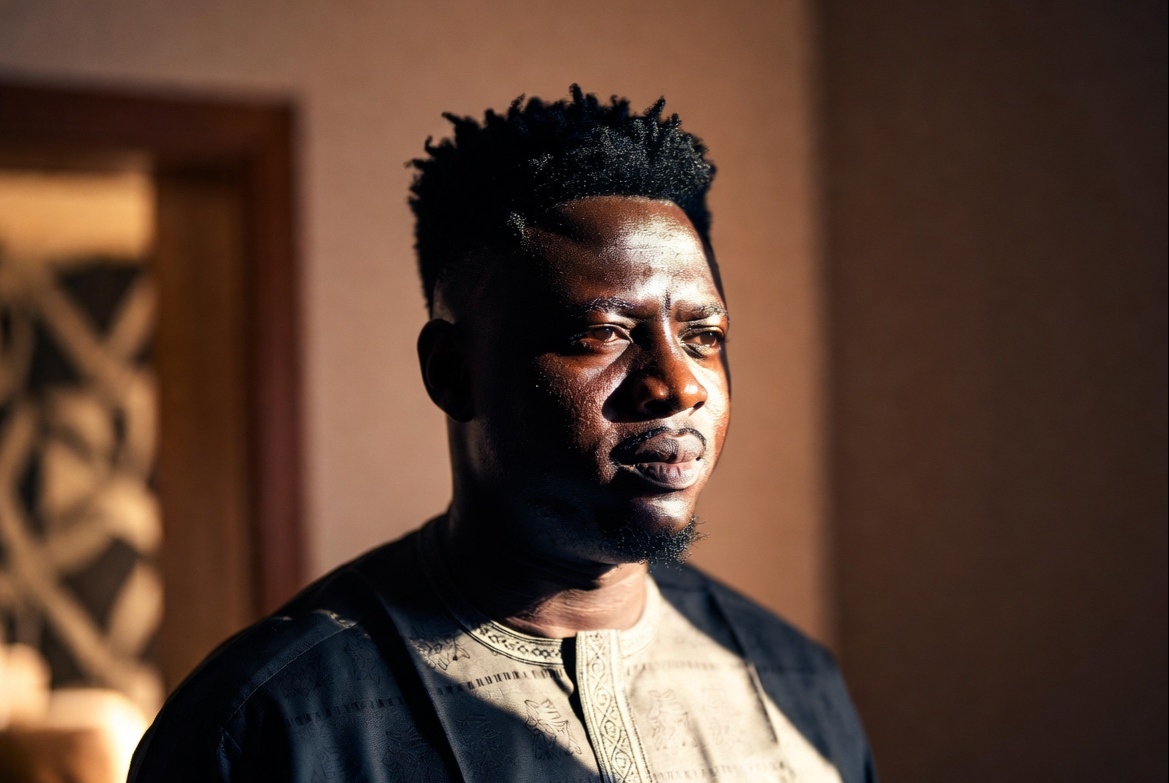
Paternity, the legal, biological, and emotional confirmation of fatherhood, is not cheap. In actuality, we are not just talking about money here.
The Financial Cost Nobody Budgets For
Let us start with what people actually search for. A DNA paternity test in Nigeria can cost anywhere between ₦80,000 and ₦350,000, depending on whether it is done privately or through a certified laboratory. In Kenya, the figure sits between KSh 15,000 and KSh 60,000. In South Africa, a court-admissible test can run up to R5,000 or more. In Ghana, it is not much different.
The Real Reason You're Thinking About Texting Your Ex
These are not small figures for the average African household. For a man earning a civil servant's salary in Lagos, Kumasi, or Nairobi, this is a month's rent. Sometimes more.
Yet, the cost of not knowing can be far greater.
The Emotional Tax Is Generational
Here is what the price list does not show. When a man raises a child in silence, feeding doubts he never voices, that child grows up in a home where something is off. Children are sensitive. They feel tension even when they cannot name it. A father who is emotionally distant because he is quietly unresolved is not truly present, even when he is physically in the room.
That emotional distance has a cost. It shows up in therapy years later. That is, if the family ever gets to therapy at all, which in many African contexts, they simply do not. It shows up in attachment issues, in a grown child's inability to trust, and in patterns of emotional unavailability passed quietly from one generation to the next.
The unspoken question, "Does he love me like he loves the others?" is one of the most quietly devastating questions a child can carry.
The Cultural Silence That Makes It Worse
In many African communities, raising the subject of paternity is considered an insult to the mother. It is seen as calling a woman a liar in front of her family, her in-laws, and God. So men stay quiet. Women stay quiet. Families stay quiet. Then, the silence becomes the loudest thing in the house.
This is not a moral judgement on anyone. It is an observation about how culture, when left unexamined, can protect the appearance of peace whilst quietly destroying the reality of it.
When It Goes to Court
Legal paternity disputes in Africa are becoming more common, particularly in urban centres. When it goes to court, the costs balloon dramatically. Legal fees, multiple DNA tests, court appearances and delays in countries where the judicial system is already under pressure, a paternity case can drag on for years. During that time, children are in the middle of it. Mothers are in the middle of it. Likewise, men are in the middle of it.
The financial drain alone can destabilise a family's housing situation, affect employment, and create a spiral of stress that touches every corner of daily life.
What Nobody Says About the Men
African men are rarely given space to express confusion, hurt, or doubt about their families without being immediately labelled as irresponsible, paranoid, or cruel. But the emotional experience of a man who suspects he may not be the biological father of a child he loves, has raised and sacrificed for, is genuinely complex.
He is not a villain for having the question. He is human. Mind you, the cost of suppressing that human complexity is paid not just by him, but by everyone around him.
The Child's Right to Know
This is perhaps the most important and least discussed dimension. Beyond the adults and their pain, every child has a right to know where they come from. Medical history alone makes this critical; genetic conditions, hereditary illnesses, blood types. In an African healthcare context where resources are already stretched, a child whose medical background is unknown faces additional, avoidable risk.
Identity matters. Belonging matters. A child who discovers at 25 that the man they called "Dad" was not their biological father does not just lose a fact. They lose a framework. They have to rebuild their entire sense of self quietly, often alone, in a world that expects them to simply move on.
So What Is the Real Cost?
The real cost of paternity, of the question itself, of the silence around it, of the testing, the courts, the revelations is measured in years. Years of quiet resentment, emotional distance, and a child wondering why love in their home always felt slightly conditional.
Money can be recovered. Time cannot. Moreover, the psychological debt that unresolved paternity creates in African families is one that is paid slowly, in installments, by people who did not even know they had signed up for it.
The conversation is difficult but it is far less expensive than the silence.



Comments (0)
Please sign in to join the conversation.
Loading comments...