

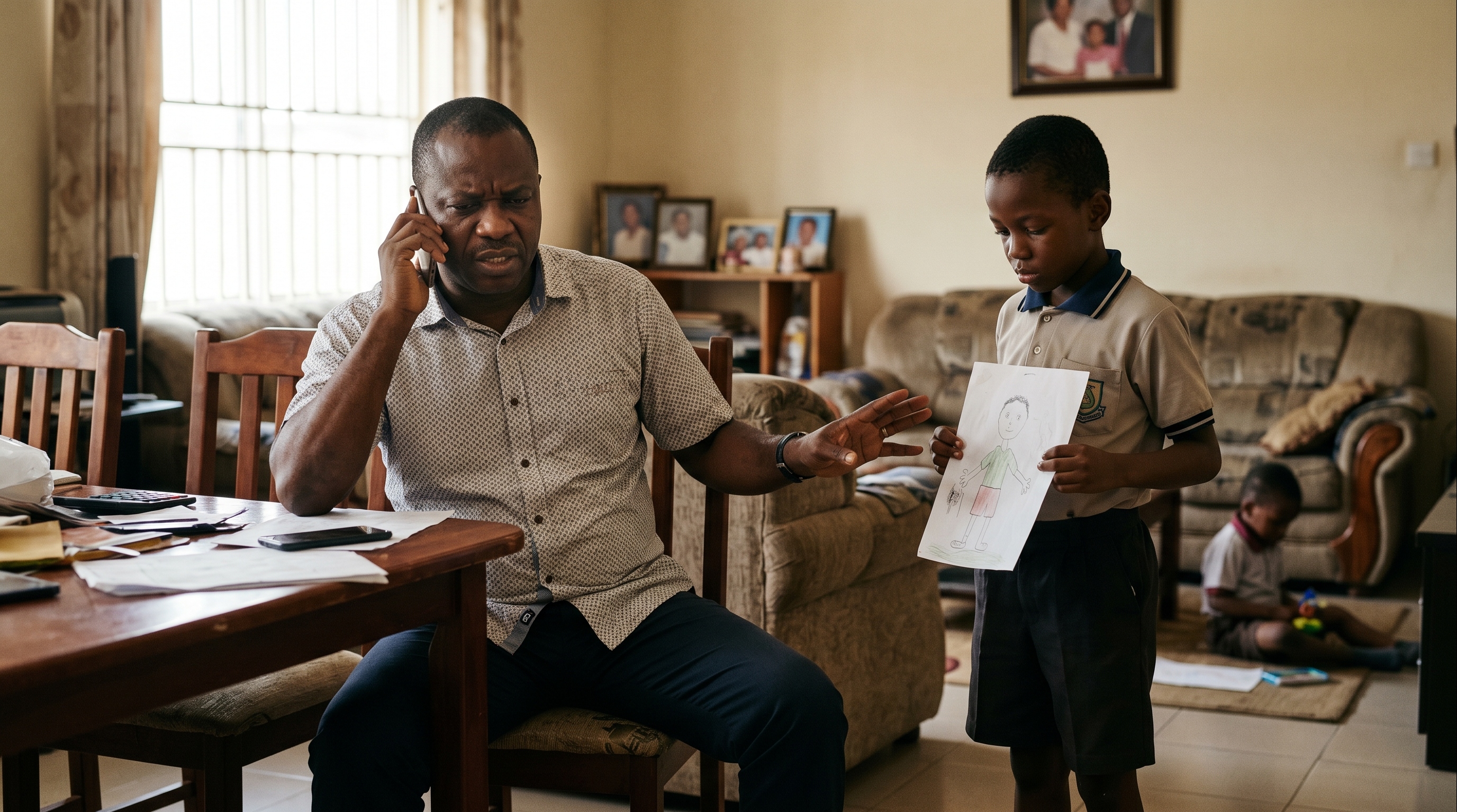
Rebellion, at its core, is a language. It is a child saying, in the only way they currently know how: "I have been trying to reach you, and I haven't been able to, and this is what that looks like from the outside."
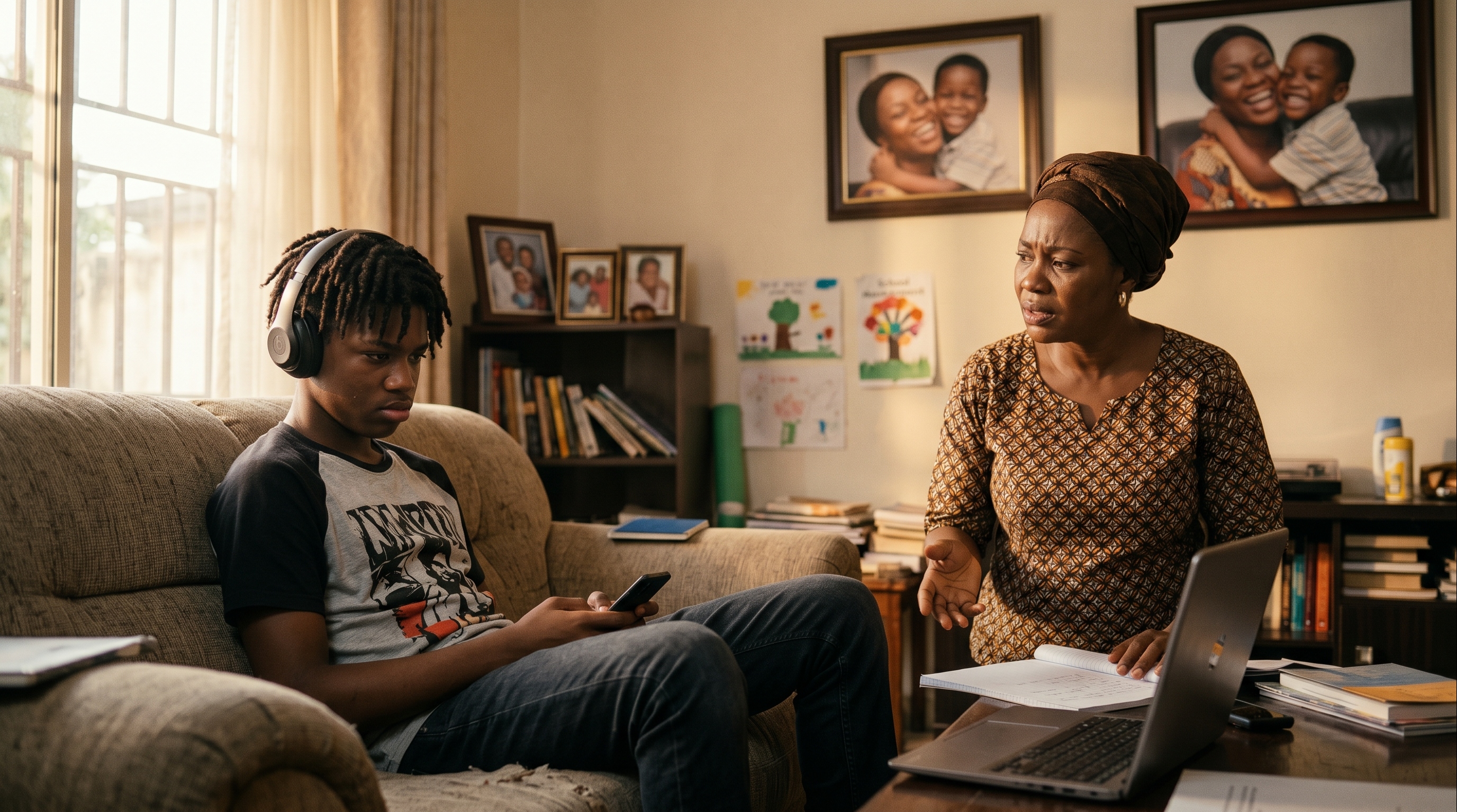
Adaeze wasn't a bad child. Chukwuemeka and Ngozi weren't bad parents. They were simply unaware that love, without the right expression, can feel like absence to a child. Unaware that provision without presence creates a void. Unaware that the small, daily moments they missed were the very building blocks their daughter needed to feel safe, seen, and secure enough to stay close to them when adolescence arrived with all of its storms.
Why Being a Good Person Can Keep You Safer From Predatory Suitors
Perhaps, you have a child who is slowly pulling away? Or perhaps you want to understand something before the gap becomes a canyon? Either way, this is a conversation, an honest one, about the invisible mistakes that well-meaning parents make, and how to course-correct before your child's teenage years become a battlefield instead of a bridge.
The first thing worth naming clearly is this: children do not become rebellious overnight. Rebellion is not a personality trait — it is a response. It is what happens when a young person has repeatedly tried to connect, to be heard, to be understood, and found the door shut enough times that they eventually stop knocking and start breaking things instead.
When Adaeze stopped sharing with her father, she didn't make a conscious decision to shut him out. She simply learned, through repetition, that opening up came with the risk of dismissal, and self-protection kicked in the way it does for all of us when we feel unsafe.
One of the most common patterns parents fall into is the habit of reacting to what a child does rather than trying to understand why they did it.
When Kofi, a thirteen-year-old in Accra, started skipping football practice, his father, Kwabena, immediately confiscated his phone and banned screen time for a month. What Kwabena didn't know, because he hadn't yet thought to ask, was that Kofi had been quietly bullied by two older boys at the practice ground for weeks.
The punishment didn't address the problem — it only confirmed for Kofi that coming to his father with a struggle would result in more pain, not less. Six months later, Kofi had developed a habit of lying about where he was going, because lying felt safer than the truth.
Children are exquisitely perceptive. They know, long before they can articulate it, whether the adults in their lives are genuinely curious about their inner world or simply managing their outer behaviour.
A parent who only engages when something goes wrong sends a very clear, if unintentional, message: that their child is a problem to be solved rather than a person to be known. And children, with the fierce dignity that all human beings carry, will eventually stop offering themselves to be known.
There is also the matter of how parents handle their own emotions in the presence of their children.
Nkechi, a mother of two in Lagos, had a habit of sighing heavily every time her 14-year-old son, Tolu, came to her with something he needed. She wasn't annoyed with him; she was tired from work.
But Tolu heard the sigh as rejection. He heard it as "you are too much." He began to preface every conversation with "I know you're tired, but—" and then, eventually, stopped prefacing at all and simply kept his concerns to himself. By 15, Tolu had a group of friends who had also learned to carry their struggles alone, and together they made the kinds of decisions that come from having no adult guidance at all.
When a home is filled with tension, unpredictability, or emotional volatility, it creates a baseline anxiety in the child's nervous system that makes it very hard to feel settled, trusting, or open. Children raised in emotionally unpredictable homes often develop two strategies: compliance out of fear, or defiance as a way of reclaiming some sense of control. Neither is a good outcome.
The culture of comparison that exists in many households, often used with the best intentions. "Look at your cousin Emeka — he comes first in his class every term." "Why can't you be more like Fatima's daughter?"
These comparisons feel, to the parent, like motivation. To the child, they land as rejection. What a child hears is: "You are not enough as you are. Someone else would have been a better child than you."
Fathers in this conversation deserves particular attention, because in many households, fathers remain at the emotional periphery of their children's development — present in terms of provision, but absent in terms of connection.
Children, both sons and daughters, need their fathers to be emotionally available.
They need fathers who ask questions that go beyond grades and performance. They need fathers who sit with discomfort, who don't immediately try to fix or dismiss whatever their child brings to them.
A father who models emotional availability teaches his children that feelings are not weaknesses, that vulnerability is not dangerous, and that home is a place where they can fall apart and be held.
The mother who is so anxious about her child's future that she hovers over every decision, second-guesses every friendship, and frames every conversation around risk and danger — this mother, though deeply loving, creates a child who either becomes incapable of independent thought or rebels specifically against the suffocation.
Adaeze's mother, Ngozi was this mother. She loved fiercely, but her love came with a constant undercurrent of worry that Adaeze could never escape. Adaeze stopped coming to her mother, not because she didn't love her, but because she was exhausted by the weight of her mother's fear.
You don't need to be a perfect parent. Perfection is not what your child is asking for. What they are asking for is to be seen, to be heard, and to know that your love for them is not conditional on their performance. They are asking you to stay curious about who they are becoming, even when who they are becoming feels unfamiliar or frightening. They are asking you to regulate your own emotions well enough that they feel safe bringing you theirs.
The most powerful thing a parent can do is learn to hear the question underneath the behaviour, rather than only responding to the behaviour itself.

Comments (0)
Please sign in to join the conversation.
Loading comments...