

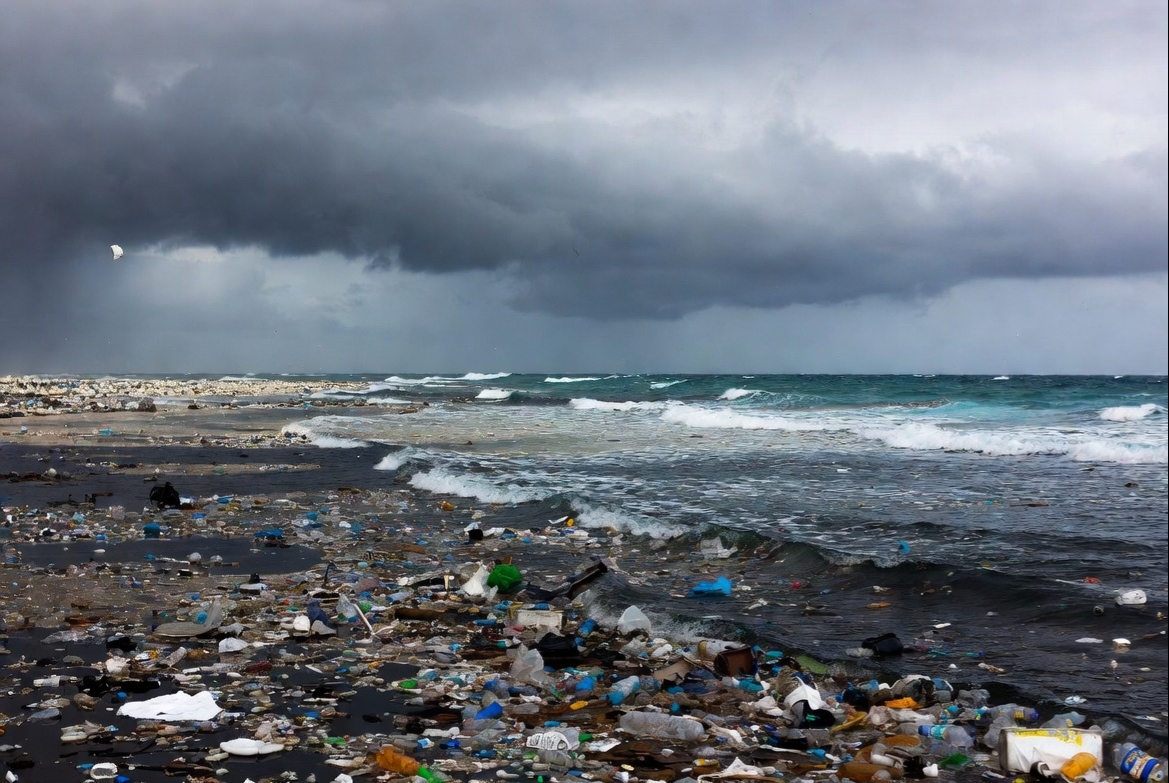
Think about the last time you took a breath. Just a slow, ordinary breath. Half of that oxygen, the very thing keeping you alive right now, came from the ocean. Not from a forest, not from a park. From the sea. Yet, every single day, we pump it full of plastic, heat it to breaking point, and drain it of the creatures that make it work.
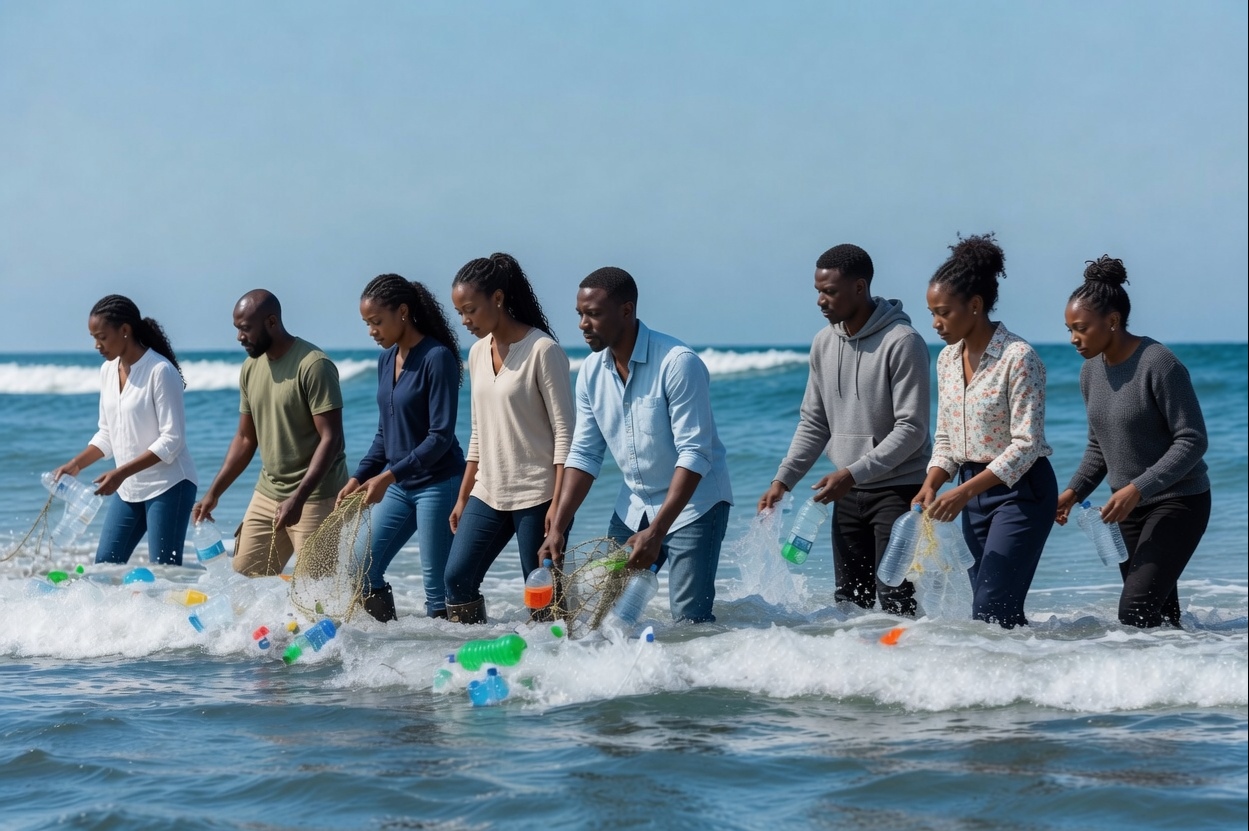
This is not a future problem. It is happening right now, in real time, beneath the surface of every ocean on Earth.
Why it matters
The ocean does more than we ever give it credit for.
Most people think of the ocean as a beautiful place to visit on holiday. Crystal water, white sand, maybe a snorkel or two. But the ocean is the engine of life on this planet. It regulates temperature, drives weather patterns, and absorbs enormous amounts of carbon dioxide, the very gas that is warming our world.
Without the ocean working properly, weather systems become unstable. Droughts get worse. Storms grow stronger. Coastlines disappear. The ocean is not a backdrop to human life. It is the foundation of it.
We did not inherit the ocean from our ancestors. We borrowed it from our children. Every piece of plastic we leave behind is a debt we are passing on. Below are some catastrophes that are silently causing this death.
Plastic
Every year, roughly 8 million tonnes of plastic enter the ocean. To give you a sense of scale, that is the equivalent of a rubbish lorry tipping its load into the sea every single minute. Bottle caps, fishing lines, plastic bags, and straws do not just disappear. They break into smaller and smaller pieces called microplastics, which are now found in fish, in plankton, and in human blood.
This is no longer just an environmental problem. It is a public health crisis that connects the sea directly to the food on your plate.
Warming water is killing the reef
Coral reefs cover less than one per cent of the ocean floor, yet they support roughly a quarter of all marine species. They are the rainforests of the sea, which are rich, complex, and irreplaceable. However, rising ocean temperatures are bleaching them at a rate that is difficult to comprehend. When water gets too warm, corals expel the algae living in their tissues, turn white, and slowly die.
The Great Barrier Reef, the largest living structure on Earth, has experienced mass bleaching events multiple times in the last decade. Without intervention, scientists warn that most of the world's coral reefs could be functionally extinct by the middle of this century.
Here is the hard truth. Coral reefs protect coastlines from storms and erosion, provide food for over a billion people, and generate billions in tourism revenue. Hence, losing them is not just sad, it is catastrophic.
Overfishing
Global demand for fish has more than tripled since the 1960s. Industrial fishing fleets now scour the deep ocean with nets large enough to swallow a jumbo jet. More than a third of the world's fisheries are being harvested faster than they can recover. When fish populations collapse, entire ecosystems unravel and the billions of people who depend on seafood as their primary source of protein are left with nothing.
We are not just overfishing. We are fishing entire species out of existence and calling it an industry.
The ocean has no voice, so we must speak for it
The ocean cannot go to a summit. It cannot sign a petition. It cannot vote. It cannot stand at a podium and demand better. That responsibility falls entirely on us, the people who have benefited most from its generosity and caused the most damage to its health.
The good news, and there is good news, is that the ocean is remarkably resilient. When given the chance to recover, it can. Marine protected areas where fishing is restricted have shown dramatic rebounds in fish populations within just a few years. Beaches where plastic clean-ups happen regularly see measurable improvements in wildlife. Coral restoration projects are slowly bringing reefs back from the brink.
The ocean can heal. But only if we stop hurting it.
What you can actually do starting today
You do not need to be a marine biologist or a government minister to make a difference. The choices made by ordinary people, multiplied across billions of lives, are what built this crisis, and they are what will end it.
So, refuse single-use plastic wherever you can. Choose sustainably sourced fish. Support organisations working to protect marine ecosystems. Demand stronger ocean protections from your elected representatives. Talk about this. Share it. Make it impossible to ignore.
The ocean gave us life. The very least we can do is give it a fighting chance.



Comments (0)
Please sign in to join the conversation.
Loading comments...