

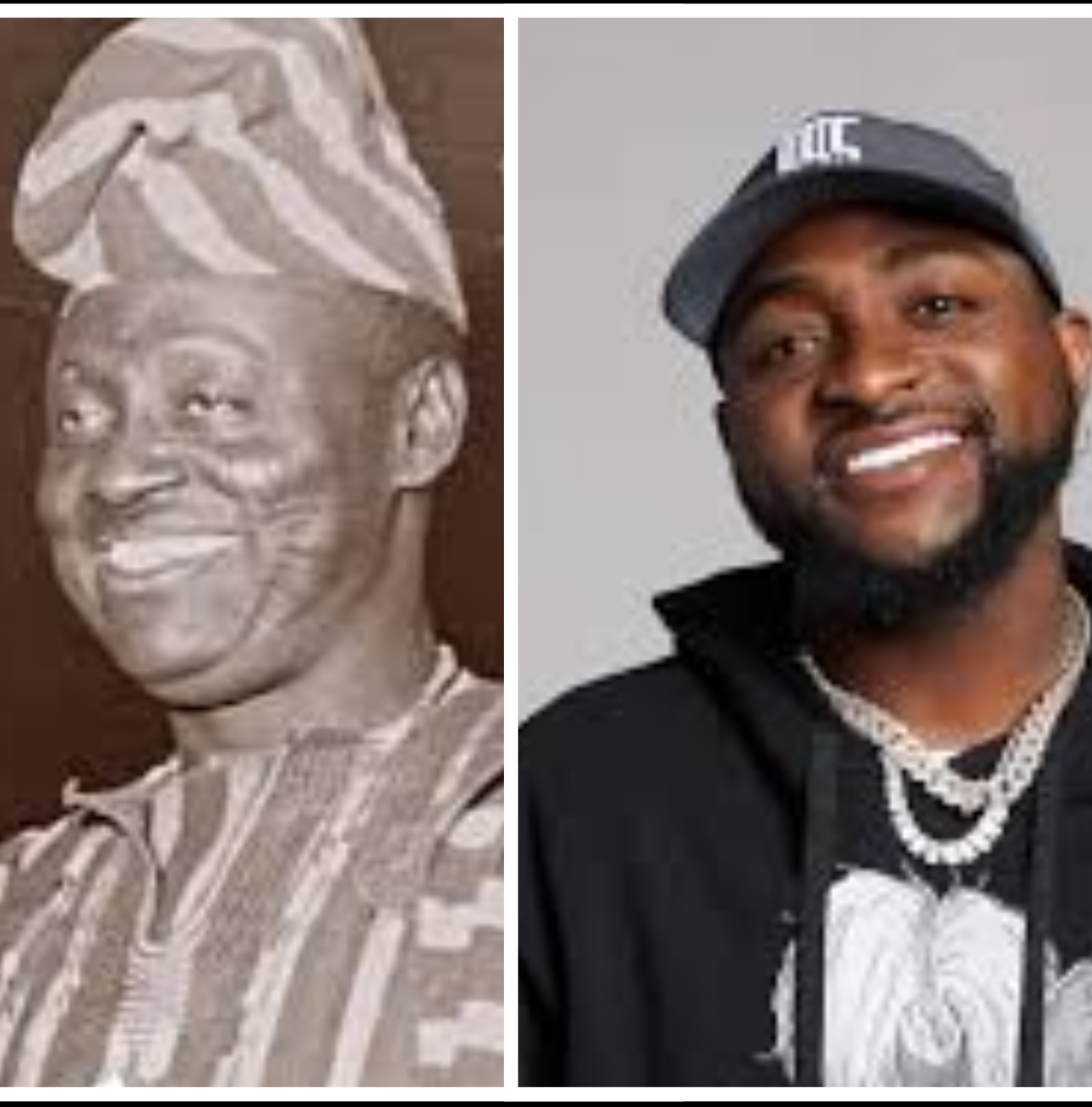
In the story of modern Nigerian influence spanning politics, business, and entertainment, one name quietly sits at the root of it all: Chief Raji Ayoola Adeleke.
Though often mentioned only as the grandfather of global music star Davido, his life tells a deeper story, one of service, leadership, and the foundation of a powerful family legacy that continues to shape Nigeria today.
Early Life and Education
Chief Raji Ayoola Adeleke was born on December 27, 1923, in Ede, present-day Osun State. He came from a respected Yoruba background. His mother, a prominent Iyalode in Ede, held significant influence among market women, providing him with early exposure to leadership and community structure that would later shape his path.
He received his early education at St. Peter’s Primary School in Ede before proceeding to Ibadan Grammar School, one of the prestigious institutions of the time, where he graduated in 1943.
From Nursing to National Service
Before politics, Adeleke built a career in healthcare. He trained as a nurse and earned his certification in 1947, becoming part of Nigeria’s early generation of trained medical professionals.
But his ambitions extended beyond clinical work. He became deeply involved in labour movements and national development, rising through the ranks in workers’ unions and advisory bodies. His roles included leadership positions in labour organisations and involvement with the Nigerian Red Cross Society at the local level.
This phase of his life reflected a strong commitment to public service, long before he entered the political spotlight.
Political Career and Leadership
Chief Adeleke’s transition into politics came during Nigeria’s Second Republic. Running under the Unity Party of Nigeria (UPN), he was elected as a senator in 1979, representing a broad constituency that included areas now known as Ede, Osogbo, and surrounding local governments.
His political career was marked by grassroots connections and regional influence, particularly within Osun State.
In recognition of his stature, he was also conferred the traditional title of Balogun of Ede in 1976, a prestigious chieftaincy role that reinforced his leadership both politically and culturally.
Marital Life and Family Structure
Chief Adeleke lived within a traditional Yoruba aristocratic framework, which included a polygamous family structure. He was married more than once, with at least two wives known in public records.
His second wife, Mrs. Nnena Esther Adeleke, was from the Eastern region of Nigeria (present-day Enugu area), reflecting a cross-cultural family connection that was less common at the time.
Like many prominent figures of his generation, he maintained a private personal life, and detailed accounts of his marriages or domestic relationships remain limited.
A Large and Influential Family
Chief Adeleke had many children, though the exact number is not definitively recorded in publicly verified sources. What is clear, however, is the extraordinary impact of his descendants.
Among his most notable children are:
> Isiaka Adeleke — widely recognised as the first civilian governor of Osun State
> Ademola Adeleke — current governor of Osun State
> Adedeji Adeleke — billionaire businessman and educationist
Through Adedeji Adeleke, the family extended its influence into global entertainment with the rise of Davido, one of Africa’s most successful music exports.
Legacy: The Foundation of a Dynasty
Chief Raji Ayoola Adeleke’s greatest legacy may not lie in any single title he held, but in the institution he built—his family.
From governance to entrepreneurship and global entertainment, the Adeleke name has become synonymous with influence across multiple sectors. This continuity is not accidental; it reflects a foundation built on education, ambition, and strategic positioning.
While many public narratives focus on the wealth and fame of later generations, it was Chief Adeleke who laid the structural groundwork through service, leadership, and family cohesion.
In many ways, Chief Raji Ayoola Adeleke represents a generation of Nigerian leaders whose contributions are often overshadowed by the prominence of their descendants.
Yet, without his early investments in education, public service, and family structure, the Adeleke dynasty as we know it today might not exist.
His story is a reminder that behind every visible success, there is often a quiet architect, someone who built the foundation long before the spotlight arrived.



Comments (0)
Please sign in to join the conversation.
Loading comments...