


To many people, stay-at-home mothers in Nigeria seem to have it easy. They wake up at home, cook, care for the children, and manage the household. From the outside, it can look like a life of comfort, flexibility, and freedom. But for the women living it every day, the story is far more complex, layered, and often lonely.

Being a stay-at-home mother can feel like being invisible. Every day, these women rise early, preparing meals, washing clothes, cleaning the house, and making sure the children are fed, bathed, dressed, and ready for school. They oversee homework, mediate arguments between siblings, and manage appointments, groceries, and errands. And when the day is done, the cycle often starts again before there is a moment to breathe.
Yet, society rarely acknowledges the skill, patience, and emotional labor required to run a home. A neighbor might see a clean house and healthy children and think, “She’s just at home all day,” failing to recognize the constant, often unseen effort it takes to maintain that order.
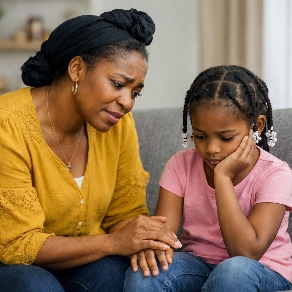
Isolation is another hidden struggle. Unlike working women who interact with colleagues daily, stay-at-home mothers may spend most of their day with only children for company. Adult conversations, professional engagement, and peer support can become distant memories. Even when friends invite them out, the responsibilities at home make it difficult to participate fully. This isolation can lead to a quiet loneliness that is rarely spoken about, a feeling that no one outside the home truly understands their daily battles.
Financial dependence can also weigh heavily. Many stay-at-home mothers rely entirely on their partner’s income. Even small purchases for themselves or the family may require approval, leaving them with little autonomy. This dependency can be frustrating, especially when paired with the enormous responsibility of managing a household. Over time, the lack of financial independence can erode confidence, self-worth, and decision-making power.
The psychological burden is immense. Nigerian society often undervalues the role of a mother who stays home. Questions like, “Don’t you get bored?” or “You don’t work? That must be easy,” can feel dismissive. Instead of appreciation, there is judgment, a constant comparison with women in formal employment. Some mothers may question their own choices, wondering if they have limited their personal growth or social relevance by dedicating themselves to home life.
Even within the home, recognition is scarce. Children may be unaware of the sacrifices their mothers make, taking meals, clean clothes, and a peaceful environment for granted. Partners may appreciate in words but not always in actions, failing to grasp the continuous mental load carried by the mother. Emotional labor — the invisible work of keeping everyone happy, safe, and organized — often goes unacknowledged.
Yet, despite these challenges, stay-at-home mothers are the glue that holds families together. They are the first teachers, guiding children through values, manners, and life lessons. They are crisis managers, navigating emergencies from sickness to sibling fights to household repairs. They are multitaskers of unmatched skill, often juggling a dozen responsibilities at once, all without a formal paycheck or recognition. Every smile from a child, every small accomplishment at school, and every family milestone reflects their unseen effort.
Support, empathy, and understanding are essential. Stay-at-home mothers benefit from open conversations about mental health, community networks, and access to resources that empower them, even financially, to feel valued and independent. Society must recognize that their contribution is not less important than that of working mothers; it is simply different.
Being a stay-at-home mother in Nigeria is not a luxury. It is a commitment filled with hidden struggles, unseen victories, and immense responsibility. Behind every well-fed child, every tidy home, and every family milestone, there is a mother giving her all — often silently, often without applause, but always tirelessly. Their work shapes the next generation, and their struggles deserve acknowledgment, respect, and support.

Comments (0)
Please sign in to join the conversation.
Loading comments...