

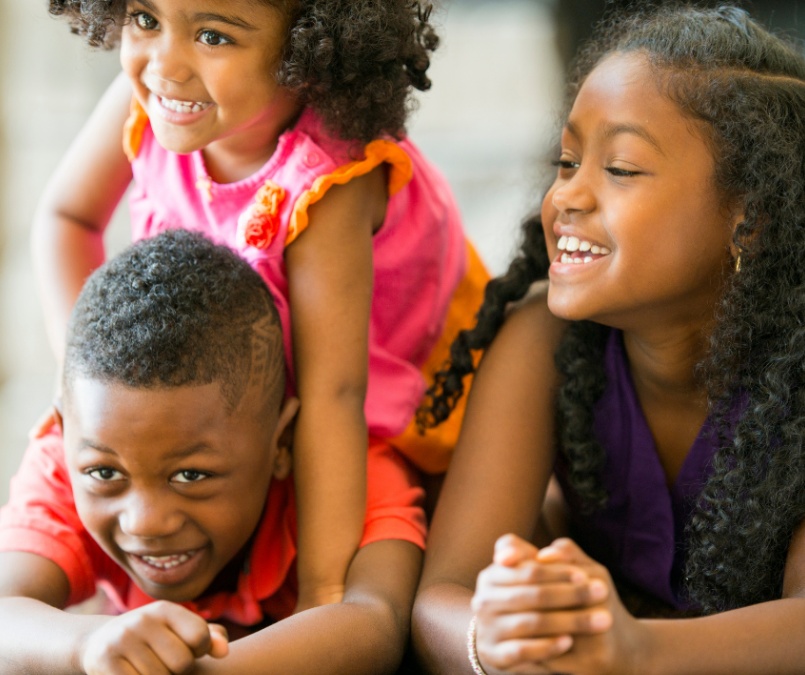
In homes across the world, across continents, cultures, and creeds, the eldest daughter often stands quietly at the center of family life. She may not hold formal authority, yet her influence is unmistakable. She is the one who calms disputes, interprets emotions, softens tensions, and restores peace when sibling relationships grow strained. In many families, domestic harmony is not enforced by rules alone but sustained by her presence.
This role is neither accidental nor insignificant. It is shaped by birth order, gender expectations, and, for many families, deeply rooted spiritual values. In households guided by faith, the eldest daughter is often encouraged, sometimes unconsciousl to embody patience, humility and responsibility. She becomes a living lesson in love, sacrifice, and service. Yet while this role is noble, it is also demanding. Maintaining peace among siblings requires emotional wisdom, restraint, and a heart anchored in grace.
The journey of the eldest daughter often begins early as the first child, she witnesses the family’s formative seasons, the learning curves of young parents, the adjustments of growing households, and the arrival of younger siblings who change family dynamics and from the moment a new child enters the home, she is subtly repositioned.
She is asked to understand, to help, to set an example making her learn quickly that her actions carry weight, that her behavior influences others. In moments of sibling rivalry, she is called upon to be calm when others are emotional, reasonable when others are impulsive and over time, peacekeeping becomes second nature.
In many Godly homes, this responsibility is framed as a calling: to lead by example, to love sacrificially, to reflect Christ-like character. And indeed, when guided by wisdom and balance, this role can nurture deep compassion and leadership. But it also requires careful support so that strength does not turn into silent strain.
Among siblings, conflict is inevitable, right? Differences in age, personality, attention, and opportunity often spark tension, there and then the eldest daughter frequently becomes the bridge between these divides. She understands both the authority of parents and the vulnerabilities of younger siblings, translating emotions that others struggle to express. She intervenes gently, choosing peace over pride. In moments of disagreement, she reminds siblings of their shared bonds of family, faith, and love. Her influence is rarely loud, yet it is deeply effective.
Scripture often reminds believers of the power of peacemakers. 'Blessed are the peacemakers, for they shall be called children of God.' In many families, the eldest daughter lives out this calling daily, often without recognition. Her peacemaking is not theoretical for it is practical, lived out in conversations, compromises, and quiet acts of kindness.
Maintaining domestic peace is not merely emotional work; it is spiritual labor that keeps on requiring patience that goes beyond personality, forgiveness that overcomes resentment and love that chooses unity over winning arguments. For eldest daughters grounded in faith, prayer often becomes a refuge of sorts too!
They should learn to lean on God for wisdom when human strength runs thin. They pray for siblings who are misunderstood, for parents who are overwhelmed, and for themselves when expectations feel heavy.
A Godly tone does not remove difficulty, but it reframes it reminding the eldest daughter that she is not alone in her efforts; That the same God who calls her to love also offers rest. That peace is not hers to manufacture by force, but a fruit of walking in humility and truth.
The influence of the eldest daughter often extends far beyond childhood, shaping relationships for a lifetime. When she models empathy, siblings learn compassion. When she demonstrates fairness, they learn respect. When she forgives, they learn grace. These early lessons echo into adulthood, into how siblings communicate, resolve conflicts, and support one another through life’s challenges.



Comments (0)
Please sign in to join the conversation.
Loading comments...