

Across kitchens, churches, mosques, and family dinner tables all over the world, a quiet but fierce battle is being fought, not between good and evil, but between what we believe and what we have always done.
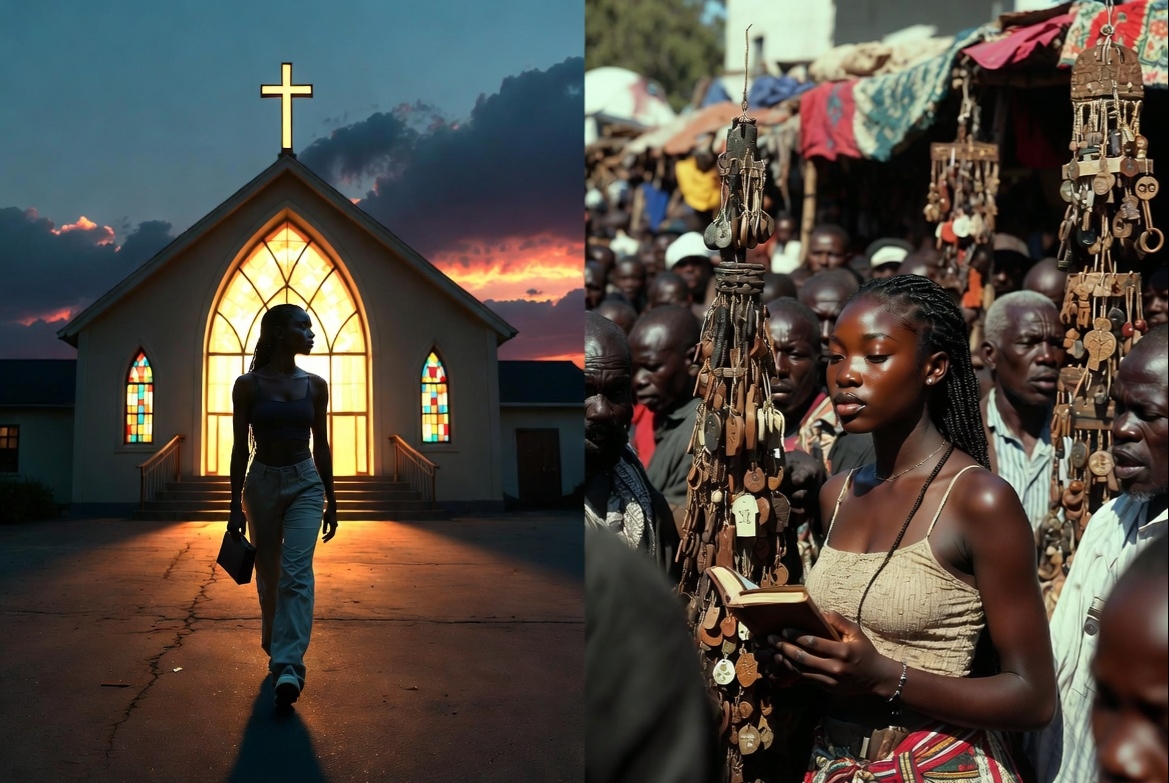
There is a moment many of us will recognise. You have just come back from a place of worship, or perhaps you have been reading your holy text late at night, and something shifts inside you. A belief changes. A practice feels wrong. A tradition you have followed since childhood suddenly sits uncomfortably with what your faith actually teaches. Then you have to go to a family gathering and none of that internal shift matters, because the elders have already decided how things will be done.
You Were Taught to Love Like This, But It's Killing Marriages
This is the quiet tension that millions of people carry. It does not make the headlines. It rarely shows up in grand theological debates. However, it lives inside homes, in the space between what a person believes and what their community expects. Religion and tradition are often spoken of as though they are the same thing. They are not, and the confusion between the two causes more heartache than most people are willing to admit.
Religion vs Tradition
Religion, at its core, is a set of beliefs and practices rooted in the teachings of a deity, a prophet, a sacred text, or a spiritual philosophy. Tradition, on the other hand, is the accumulated customs of a people shaped by history, geography, social power, and time. The two can overlap beautifully. Yet, they can also contradict each other in ways that split families, communities, and individuals right down the middle.
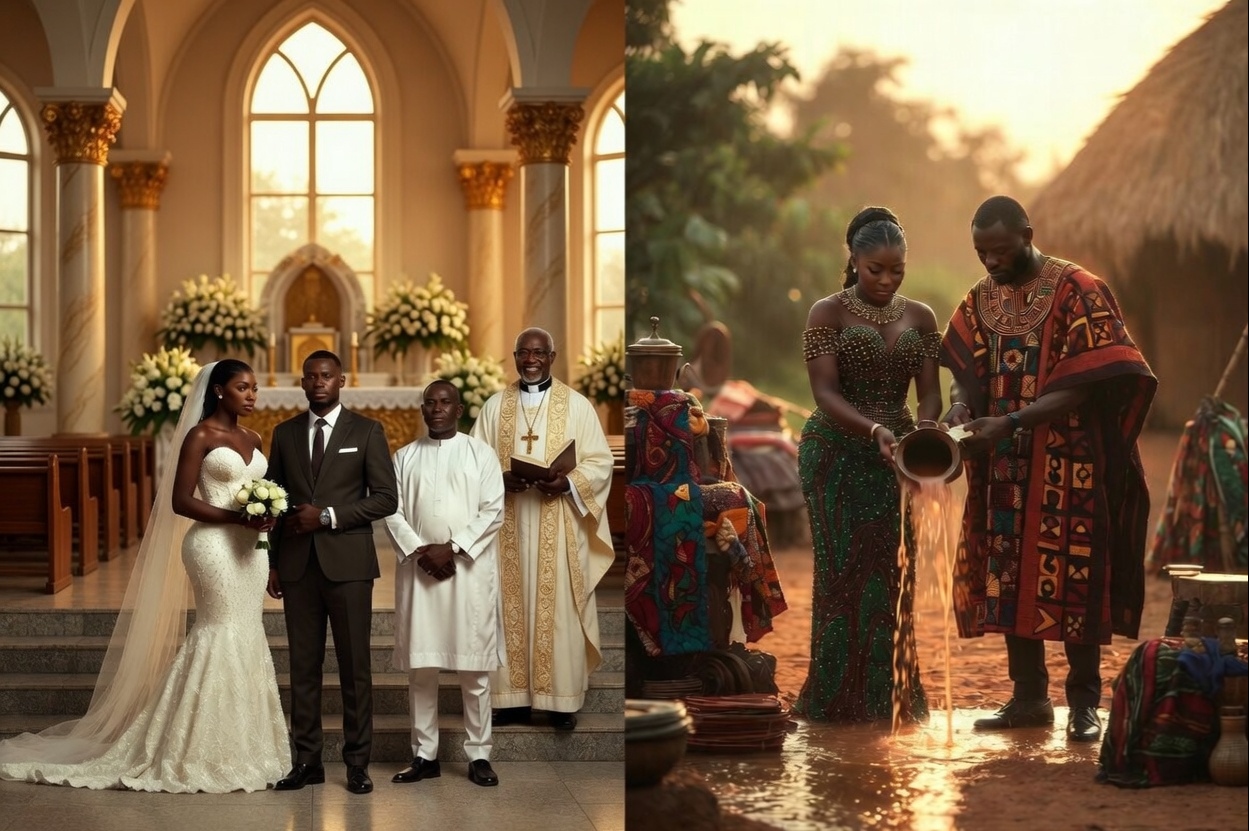
Take something as seemingly simple as a wedding ceremony. In many cultures, weddings have evolved into elaborate, multi-day affairs governed by ancestral rituals that have nothing to do with scripture. When a young couple tries to simplify the ceremony to align with what their faith actually teaches about modesty, debt, and the purpose of marriage, they are often met with real resistance. The elders do not see a couple following their faith more closely. They see a couple disrespecting the family. The tradition, in that moment, carries more weight than the religion it is supposedly embedded in.
This is not an attack on tradition. Culture is precious. It is the thread that ties generations together, the language of belonging, the way communities remember who they are. However, tradition can also be the vehicle for practices that the religion itself never sanctioned, or worse, practices that the religion explicitly speaks against. Discrimination based on caste, tribe, or lineage. The silencing of women in spaces where their faith grants them full standing. The exclusion of converts because they did not grow up in the same cultural context. These are not religious mandates. They are cultural habits dressed in religious clothing.
Why the Clash?
What makes this clash so difficult is that both sides believe they are right and in a sense, both sides are sincere. A grandmother who insists on a certain burial rite is not being cruel. She genuinely believes she is honouring both God and her ancestors. A young man who refuses that same rite because he believes it contradicts his faith is not being disrespectful. He is trying to live with integrity. Neither is lying. Both are in pain and the conversation between them, if it happens at all, is almost always more emotional than rational.
There is also the question of who gets to define what is religion and what is tradition. In many communities, religious authority and cultural authority rest in the same hands, the same elders, the same leaders, and the same institutions. Challenging a tradition can feel like challenging the religion itself, even when they are entirely separate things. This is especially true in communities where access to religious scholarship has historically been limited to a few. When one generation begins to read, to question, to research and finds that the tradition they were raised in is not quite what the religion says, the collision can be volcanic.
Young people across Africa, Asia, the diaspora, and everywhere in between are navigating this exact tension every day. They are Muslims who have discovered that their cultural practices around marriage have no basis in Islamic law. They are Christians who have realised that the prosperity gospel preached in their family church has very little to do with the Sermon on the Mount. They are Hindus questioning caste-based exclusions in spaces that their scriptures, read honestly, do not support. They are not abandoning their faith. In many cases, they are running towards it. But the run takes them away from aspects of the culture, and that distance is painful in ways that are hard to explain to those who have never felt it.
What Is the Way Through?
Honest conversation, for one. The kind that does not begin with accusation but with curiosity. What does this tradition mean to you? Where did it come from? What does our faith actually say about it? These conversations are uncomfortable. They require humility from the younger generation and openness from the older one. Neither is easy to come by when identity is at stake.
It also requires communities to be willing to evolve. Religion, at its best, has always challenged culture, called it higher, refined it, and corrected it. The great reformers and prophets throughout history were not traditionalists. They were disruptors who looked at what their societies had normalised and said: this does not reflect the divine. That courage does not disappear in modernity. It simply shows up at family dinners now.
If you are in the middle of this clash, pulled between what you believe and what your community practises, know that you are not alone, and you are not wrong for feeling it. The tension you feel is not a sign of weak faith. It may well be a sign that your faith is alive, questioning, and real. Hold both with care. Push gently. Listen deeply. Also, remember that the goal is not to win an argument. It is to build something honest, a life of faith that you can actually stand behind, and a family table you can still sit at.


Comments (0)
Please sign in to join the conversation.
Loading comments...