


There is a quiet crisis happening in homes across the world, from terraced houses in Birmingham to high-rises in Tokyo, from sprawling estates in Lagos to modest flats in São Paulo. Children are growing up knowing how to scroll, swipe, and stream with extraordinary fluency. But ask them to boil an egg, manage a bus route alone, or budget their pocket money for a week, and many will stare back at you blankly.
This is not a criticism of children. It is a gentle, necessary question directed at the rest of us, especially parents and guardians. Somewhere between wanting to protect your kids and wanting to provide for them, you may have accidentally taken away the very experiences that would make them capable, confident, and resilient human beings.
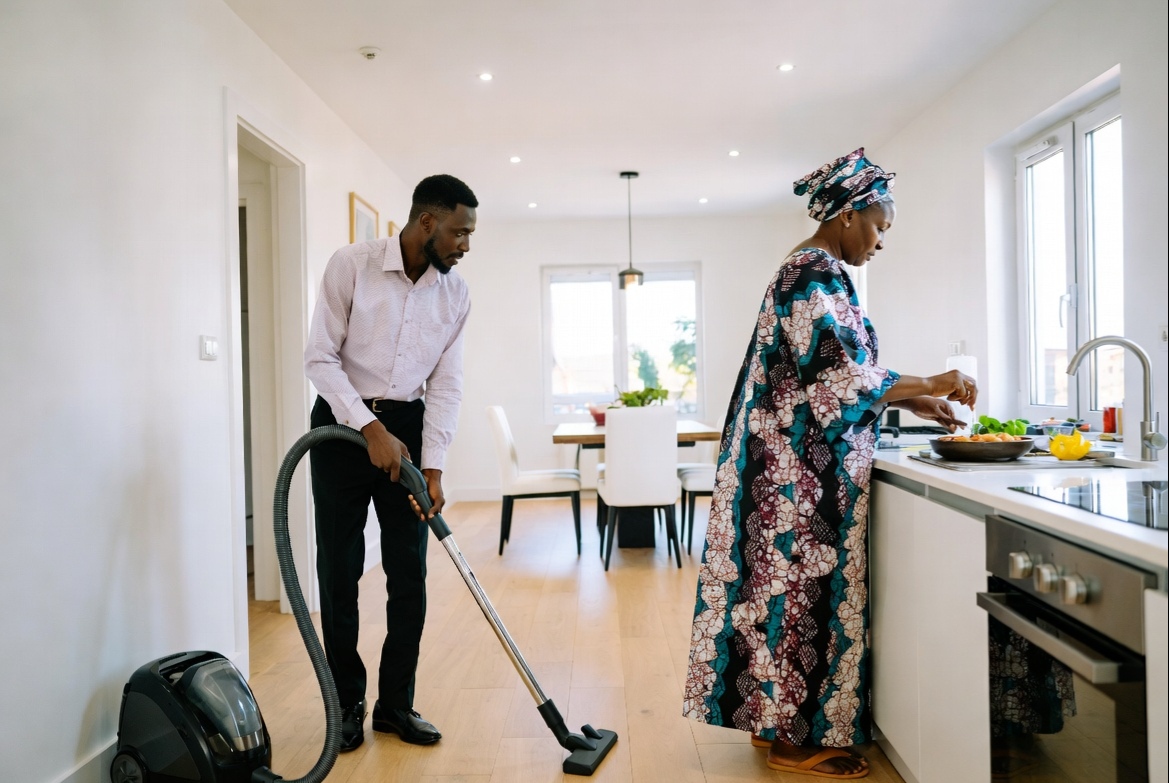
How Household Chores Are Divided between Boys vs Girls
As uncomfortable as it may seem, this is usually the reality. The good news is that it is never too late to change that. Below are some of the life skills you must help your children understand and teach them from a very tender age.
1. Money
Ask any thirty-year-old what they wish they had been taught as a child and money management will be near the top of the list. Yet in most school curricula across the world, financial literacy is either ignored entirely or reduced to abstract maths problems that bear no resemblance to real life.
Real-world money skills, such as budgeting, saving, and understanding the difference between wanting something and needing it, are learned at home, or not at all. A child who is given pocket money and taught to divide it into spending, saving, and giving learns more in one afternoon than most adults absorb in years of muddling through.
Start small, start early, and be honest with them about what things cost. It is not a conversation to protect them from. It is one of the most important conversations you will ever have.
2. Cooking
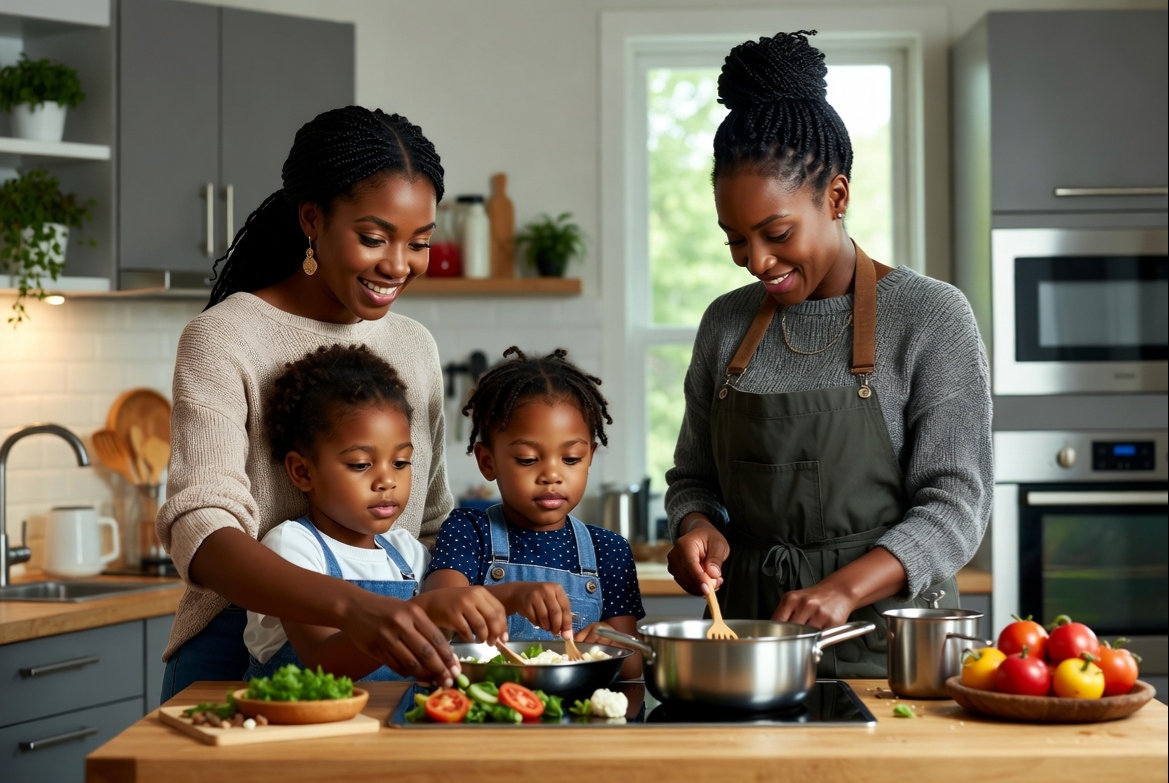
Across cultures, cooking has always been one of the primary ways knowledge is passed from one generation to the next. A grandmother in Chennai teaching her grandchild to make dal. A father in Accra showing his daughter how to pound fufu. A mum in Leeds letting her son stir the gravy without being rushed out of the kitchen. A grandfather in Ekiti teaching his grandchild to make Efo riro.
These moments are about far more than food. They are about patience, precision, creativity, and the quiet pride of making something with your own hands. Children who learn to cook develop healthier eating habits, stronger fine motor skills, and a practical understanding of science (nutrition, heat, and chemistry) that no worksheet can replicate.
More than anything, they grow up knowing they can feed themselves, which is perhaps the most fundamental form of independence there is.
3. Navigation and Independence
In the 1970s and 1980s, children would routinely walk to school alone, take buses, and play unsupervised for hours. Today, that kind of childhood has become vanishingly rare. The reasons are understandable; the world feels more visible in its dangers, but the consequence is a generation of young people who have never had to find their own way anywhere, literally or figuratively.
Teaching your child to read a map, to ask a stranger for directions, to navigate an unfamiliar neighbourhood is not recklessness. It is preparation. The child who learns that they can get lost and find their way back will grow into an adult who is not paralysed by uncertainty. That, in a world of constant change, is invaluable.
4. Basic Repairs
Sewing a button. Changing a lightbulb. Knowing when a tap washer needs replacing. These things sound small until they aren't. There is a particular kind of helplessness that comes from standing in front of a broken thing with no idea where to begin and a particular kind of confidence that comes from not being afraid to try.
Children who are taught basic repair and maintenance skills develop a problem-solving attitude that extends into every area of their lives. They learn that most broken things can be fixed with patience and effort. This mindset, what psychologists sometimes call a growth mindset, is consistently linked to resilience, academic achievement, and long-term wellbeing.
Usually, it starts with a needle and thread.
5. Empathy in Action
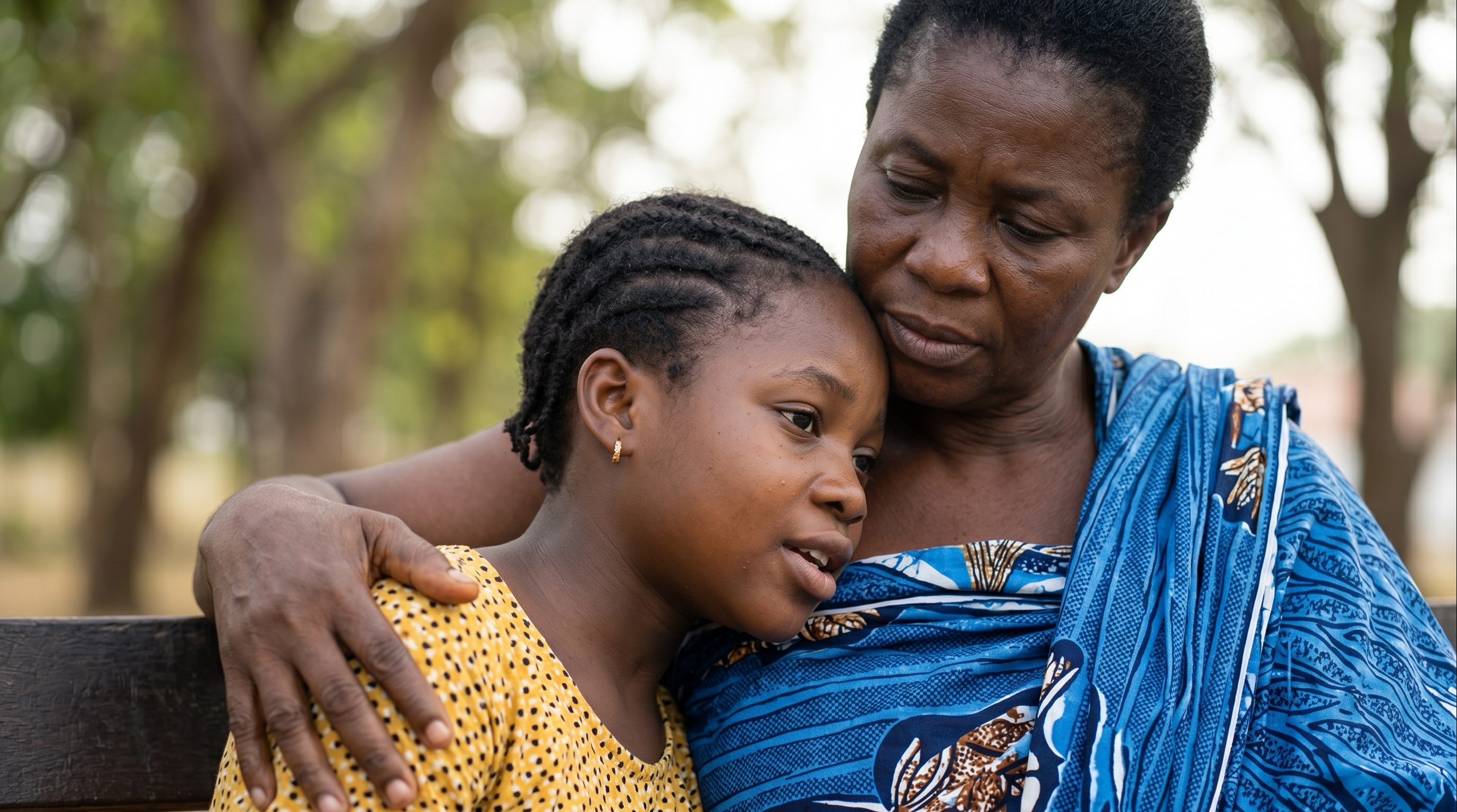
Perhaps the most underrated real-world skill of all is learning to notice when someone needs help and then doing something about it. This is not taught through lectures. It is modelled and practised.
Children who are involved in community activities, who are expected to help elderly neighbours, and who grow up understanding that their actions affect other people, develop a quality of character that no exam can measure.
In Japanese culture, children routinely clean their own classrooms and serve each other's school lunches from a young age. This is not done as punishment, but as a fundamental lesson in community and shared responsibility. In many African cultures, the concept of Ubuntu, I am because we are, is woven into the fabric of childhood. These are not soft skills. They are the foundations of a functioning society.
6. Communication
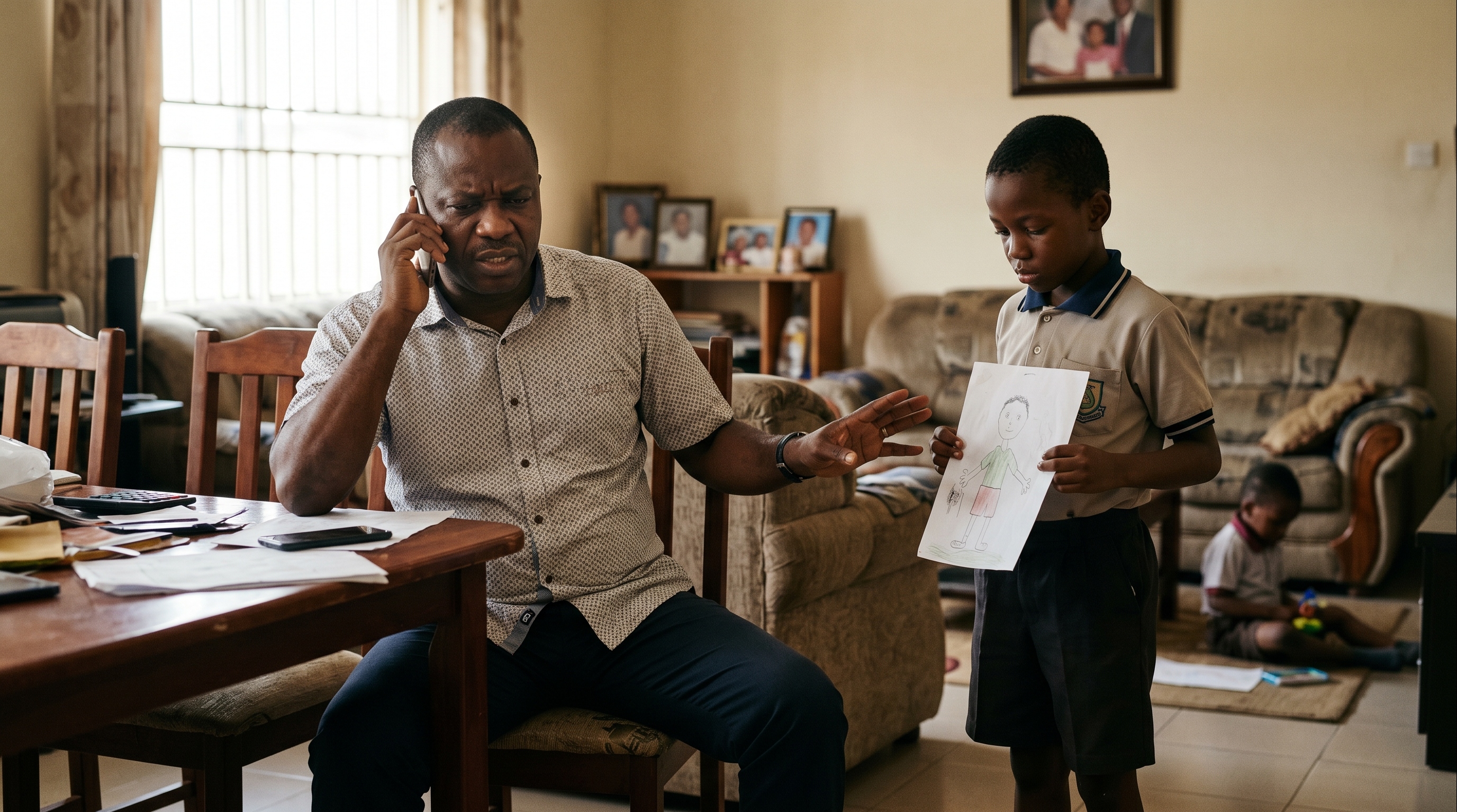
Texting has made communication easier and harder at the same time. Children today are extraordinarily fluent in written digital communication, yet many find a phone call, a job interview, or a face-to-face disagreement intensely difficult to navigate.
Teach your children to make phone calls, to speak to adults they do not know, and to articulate what they need and how they feel. These are skills that will define the quality of every relationship and every opportunity they will ever have. Practice them deliberately. Let your child order their own food at a restaurant. Let them ring up to ask about a club they want to join. Let them argue their case when they think a rule is unfair and genuinely listen.
You are not raising a child. You are raising a person who will one day need to make themselves heard in a world that doesn't always stop to listen.
In Conclusion
Across the world, the nations that consistently produce the most capable, confident young adults share a common thread. They integrate life skills into childhood deliberately and without apology. In Finland, practical home economics and woodwork are compulsory subjects. In Singapore, resilience and problem-solving are considered as important as academic achievement. In many parts of West Africa and South Asia, children carry real family responsibilities from a young age, not because their parents don't care, but precisely because they do.
The research, the cultural wisdom, and simple common sense all point in the same direction. Children who do things like cooking, earning, fixing, navigating, communicating, and contributing grow into adults who believe they are capable of facing whatever life throws at them.
In contrast, children who are done everything for, however lovingly, can grow into adults who quietly wonder why the world feels so overwhelming.
Comments (0)
Please sign in to join the conversation.
Loading comments...