

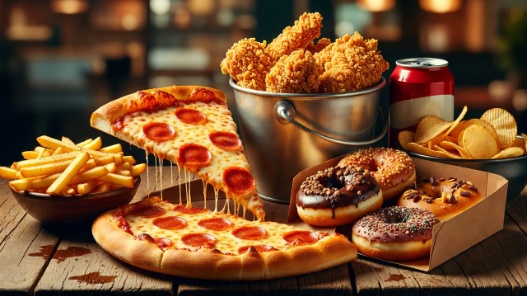
We live in a world where fast food is everywhere. From colourful television adverts to tempting smells from street vendors, children are constantly surrounded by foods that are quick, tasty, and often unhealthy. Chips, sugary drinks, burgers, and packaged snacks are easy to find and hard to resist.
The good news is that it is possible to raise health-conscious children even when fast food surrounds them. With simple strategies, you can build habits that last a lifetime.
Why Healthy Eating in Childhood Matters
The eating habits children develop early in life often stay with them into adulthood. A child who grows up eating balanced meals is more likely to continue those habits later in life. Healthy eating helps children:
Grow properly
Develop strong bones and teeth
Maintain a healthy weight
Improve concentration in school
Strengthen their immune system
Poor eating habits, on the other hand, can lead to problems such as childhood obesity, diabetes, and heart disease later in life. Too much sugar, salt, and unhealthy fats can slowly affect a child’s health without parents even realising it.
Food is not just fuel; it shapes how children feel physically and emotionally.
The Powerful Influence of Fast Food
Fast food is designed to attract attention. Bright packaging, toys, catchy adverts, and social media promotions all make it appealing to children. However, many fast foods contain:
High amounts of sugar
Excess salt
Unhealthy fats
Artificial flavours
These ingredients can make the food taste exciting but offer very little nutrition.
Children are also influenced by what their friends eat. If everyone at school is bringing fizzy drinks or sugary snacks, it can be difficult for a child to choose differently.
This is why you need to guide your children rather than simply forbid certain foods.
Start Healthy Habits Early
One of the best ways to raise health-conscious children is to start early.
Young children are naturally curious. If they grow up eating fruits, vegetables, whole grains, and home-cooked meals, those foods become normal to them.
Early exposure makes a big difference.
For example, a child who regularly eats bananas, oranges, carrots, and beans will be less likely to reject them later in life. Children who are only introduced to highly processed foods may struggle to appreciate natural flavours.
Consistency is key. Healthy food should not feel like punishment; it should feel like a normal part of everyday life.
Be a Role Model
Children learn more from what parents do than from what parents say.
If you regularly drink sugary drinks but tell your child to drink water, the child notices the difference.
When you eat balanced meals, enjoy fruits and vegetables, and speak positively about healthy food, your children are more likely to follow the same pattern.
Family meals are a powerful tool. Sitting together at the table encourages better eating habits and meaningful conversations. Even simple actions can make a difference:
Choosing fruit instead of sweets
Drinking water instead of soda
Cooking meals at home more often
Children observe these choices and slowly adopt them.
Make Healthy Food Fun
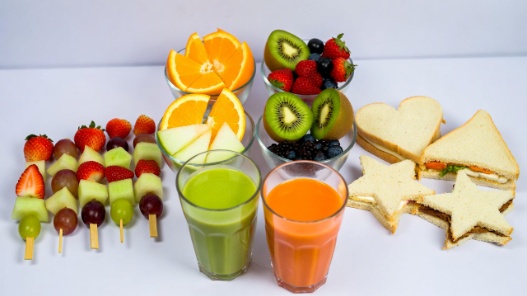
Healthy food does not have to be boring. In fact, creativity can make nutritious meals more exciting for children. You can try:
Colourful fruit bowls
Fun sandwich shapes
Homemade smoothies
Healthy snack plates
Children enjoy food that looks interesting. Bright colours naturally attract their attention.
Another helpful idea is letting your children participate in meal preparation. When they help wash vegetables, stir ingredients, or arrange food on a plate, they feel proud and more willing to taste the meal.
Cooking together also creates special family memories.
Teach Your Children About Food
Education is one of the most powerful tools for raising health-conscious children. Instead of simply saying “This food is bad,” you can explain why certain foods should be eaten in moderation. Children can understand simple ideas such as:
Fruits and vegetables help the body grow
Too much sugar can damage teeth
Water keeps the body strong and hydrated
When children understand the reason behind healthy choices, they feel more involved in caring for their own health.
Some families even turn food learning into games. For example, children can identify foods by colour or learn which foods give energy.
Small lessons like these can shape lifelong attitudes.
Balance, Not Total Restriction
It is important to remember that completely banning fast food can sometimes make children crave it even more.
The goal is not perfection but balance.
Occasional treats can still be part of a healthy lifestyle. Birthdays, celebrations, or family outings may include foods that are less nutritious, and that is perfectly normal.
The key is moderation.
If healthy meals are the daily routine, an occasional treat will not harm a child’s overall health.
Teaching balance also helps children develop a healthy relationship with food instead of feeling guilty or secretive about eating certain things.
Smart Snacking Matters
Snacking is a normal part of childhood. Growing children often need small meals between main meals. The problem arises when snacks are mostly sugary or highly processed. So, you can keep healthier options available at home, such as:
Fresh fruits
Yoghurt
Nuts (for older children)
Whole-grain crackers
Homemade popcorn
When healthy snacks are easy to find, children are more likely to choose them. Also, keeping too many sugary snacks at home can create constant temptation.
Sometimes the simplest solution is not buying unhealthy snacks regularly.
Limit Sugary Drinks
Sugary drinks are one of the biggest sources of excess sugar in children's diets. Soft drinks, packaged juices, and energy drinks often contain large amounts of sugar without providing real nutrition.
Encouraging children to drink water regularly is one of the healthiest habits you can promote. You can also offer:
Fresh fruit-infused water
Milk
Natural smoothies
When sugary drinks are treated as occasional treats rather than daily habits, your children naturally consume less sugar.
Protect Family Mealtime
Modern life is busy. Between school, work, and social activities, many families struggle to eat together. However, regular family meals can significantly improve children’s eating habits. Family mealtime allows you to:
Model healthy eating
Introduce new foods
Monitor portion sizes
Encourage conversation
Children who eat regularly with their families often develop healthier relationships with food. Even three or four shared meals each week can make a meaningful difference.
Encourage Active Living
Healthy eating works best when combined with an active lifestyle. Children should have time for movement, outdoor play, and physical activities.
Activities such as cycling, playing football, dancing, running, and family walks help children stay strong and energetic.
Limiting excessive screen time also encourages children to be more physically active. Healthy living is about the whole lifestyle, not just food choices.
Be Patient With Picky Eaters
Many children go through phases of picky eating. This can be frustrating for parents, but patience is essential.
Forcing children to eat certain foods can create negative experiences. Instead, you can:
Introduce small portions of new foods
Pair new foods with familiar favourites
Offer the same healthy food multiple times
Sometimes children need to see a food several times before they feel comfortable trying it. Persistence without pressure usually works best.
The Long-Term Impact
Raising health-conscious children is not about creating perfect diets. It is about building awareness and habits that support long-term well-being.
Children who understand healthy choices grow into adults who are more likely to care for their bodies.
They are better prepared to resist unhealthy trends, make balanced decisions, and maintain healthier lifestyles.
You may not always see immediate results, but the lessons children learn about food today can protect their health for decades.
In Conclusion
Children do not need perfection. They need guidance, positive examples, and a home environment where healthy choices are normal.
When you lead by example, make nutritious food enjoyable, and teach balance rather than restriction, your children learn that caring for their health is both important and rewarding.
Even in a fast-food world, families can still choose a healthier path; one meal, one habit, and one lesson at a time.



Comments (0)
Please sign in to join the conversation.
Loading comments...