

Every year, hundreds of millions of people around the world are struck down by mosquito-borne illnesses. Two of the most common and most dangerous are dengue fever and malaria. They both start with a high temperature, body aches, and a general feeling that the world is ending. So people mix them up all the time. Doctors sometimes even treat for one when the patient has the other. That mistake can cost lives.

This piece breaks it all down plainly, because good health information should never be locked behind complicated language.
The Mosquito Is the Same, But Not Quite
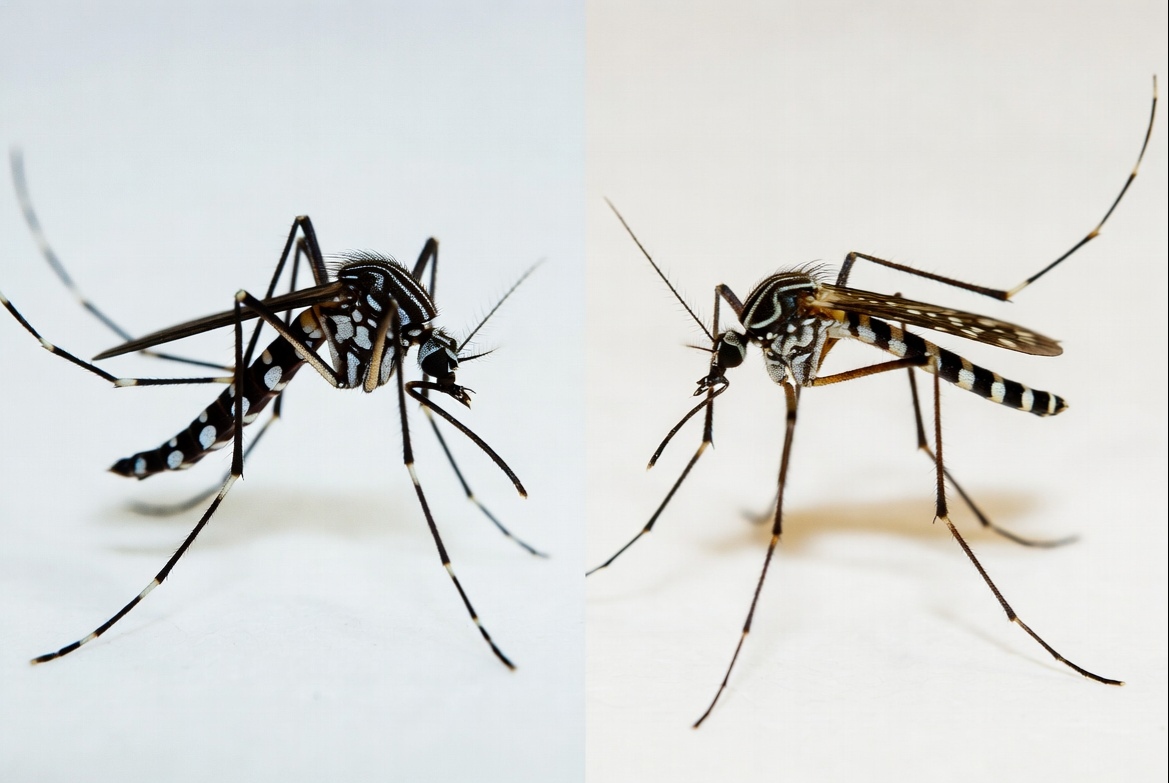
Here is where it gets interesting. Both dengue fever and malaria are spread by mosquitoes, but not the same type. Dengue fever is spread by the Aedes aegypti mosquito, the one with the distinctive black and white stripes on its legs. This mosquito bites during the day, particularly in the early morning and late afternoon. It loves clean, still water, flower vases, water tanks, and blocked gutters are its favourite breeding spots.
The Hiccups Drama You Never Knew About
Malaria, on the other hand, is spread by the Anopheles mosquito. This one prefers to bite at night and breeds in stagnant, dirty water. So if you are getting bitten in the afternoon and fall ill, dengue is more likely. If it happens at night, malaria becomes a strong suspicion. This small detail alone can help guide early treatment decisions.
Different Culprits Doing the Damage
Beyond the mosquito, the actual cause of each illness is completely different. Dengue is caused by a virus, the dengue virus, which comes in four distinct strains. Since it is a virus, there is no antibiotic that will touch it. The body has to fight it on its own, with doctors supporting the patient through fluids, rest, and careful monitoring.
Malaria is caused by a parasite, specifically from the Plasmodium family. The most dangerous type, Plasmodium falciparum, is responsible for the majority of malaria deaths in sub-Saharan Africa. Since it is a parasite and not a virus, malaria can be treated directly with antimalarial drugs. This is a crucial difference, since malaria has medicines that target the disease itself. Dengue does not.
How Your Body Tells the Story
The symptoms of both diseases overlap enough to cause real confusion, but there are telling differences when you look closely.
With dengue fever, one of the most dramatic symptoms is severe pain behind the eyes, and intense joint and muscle pain so debilitating it earned dengue the nickname "breakbone fever." A rash also often appears, typically a flat, red rash that spreads across the chest and limbs a few days into the illness. Mild bleeding, such as nosebleeds or bleeding gums, can also occur. In severe cases, this progresses to dengue haemorrhagic fever, where internal bleeding becomes life-threatening.
Malaria tends to follow a cyclical pattern with high fevers, chills, and sweating that come and go in waves, often every 48 to 72 hours, depending on the type of parasite. Anaemia and an enlarged spleen are also common findings in malaria. Cerebral malaria, a severe complication, can cause seizures, loss of consciousness, and death if not treated urgently.
Both diseases cause fatigue, headache, nausea, and fever. This is exactly why laboratory testing matters so much. A blood test, whether a rapid diagnostic test or a full blood count and microscopy, is often the only way to tell them apart with confidence.
Where in the World They Strike
Geography gives us useful clues too. Malaria is primarily found in sub-Saharan Africa, South Asia, and parts of Latin America. It thrives in tropical and subtropical regions with warm temperatures and high rainfall. Nigeria, for instance, carries one of the highest malaria burdens of any country in the world.
Dengue is now found in over 100 countries and is rapidly spreading as global temperatures rise. It is particularly prevalent in Southeast Asia, the Pacific Islands, Latin America, and parts of Africa. Urbanisation has actually helped dengue spread faster, because the Aedes mosquito thrives in densely populated areas with lots of standing water.
Is Prevention Possible For Both?
The good news is that both diseases are preventable. The golden rule is simple: stop the mosquito from biting you. Wearing long-sleeved clothing, using insect repellent, sleeping under treated mosquito nets, and eliminating standing water around your home are all effective measures.
Malaria goes one step further, in that, there are preventive medicines (prophylaxis) that travellers to high-risk areas can take, and a malaria vaccine is now being rolled out in several African countries, marking a historic step forward in the fight against the disease.
For dengue, a vaccine called Dengvaxia exists but is only recommended for people who have already had dengue before. A second infection with a different dengue strain can actually be more severe than the first, something called antibody-dependent enhancement, so vaccination for dengue is a more nuanced conversation to have with a doctor.
Conclusion
Dengue and malaria are both serious, both spread by mosquitoes, and both are capable of killing when left untreated. But they are different diseases with different causes, different treatments, and different warning signs. Treating malaria with dengue protocol, or vice versa, is not just ineffective; it is dangerous.
If you or someone near you develops a sudden high fever, especially alongside body aches, chills, or a rash, do not guess. Get tested. The test is quick, often cheap, and can genuinely be the difference between life and death.
Knowledge is not just power. In this case, knowledge is survival.

Comments (0)
Please sign in to join the conversation.
Loading comments...