

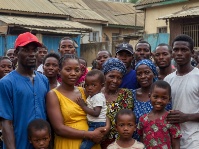
In Nigeria today, the family looks different from what many grew up knowing. For generations, the extended family was the foundation of society. Grandparents, aunts, uncles, cousins lived together or stayed closely connected, sharing responsibilities, resources, and wisdom. Children learned values from a wide circle of relatives. Elders received care without question. This system provided a strong safety net in good times and bad.
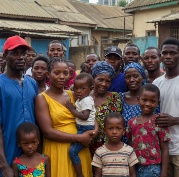
Now, in 2026, rapid changes challenge that picture. Urban migration, high living costs, career demands, and shifting attitudes push more Nigerians toward smaller setups. In cities like Lagos, Abuja, and Port Harcourt, the nuclear family parents and their children living alone has become common among professionals.
Southern urban areas show smaller households, with average family sizes dropping to 4 or 5 members compared to larger northern or rural ones. The 2024 Nigeria Demographic and Health Survey shows national fertility at 4.8 children per woman, down from 5.3 in 2018, with southern urban women averaging 3 to 4 children. This reflects economic realities: raising many children in expensive cities strains budgets.
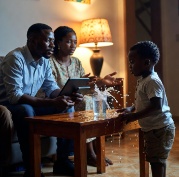
Traditionalists argue the nuclear family remains ideal. They point to its benefits. In a nuclear setup, parents focus directly on their children. Discipline stays consistent. Values align without interference from in-laws or extended relatives. Financial resources concentrate on fewer people, allowing better education, healthcare, and opportunities. Two parents share emotional and practical loads, creating stability. Studies on academic performance in places like Ibadan show children from nuclear families often perform well due to focused parental attention and fewer distractions.
Yet critics say clinging to the nuclear model as the only right one ignores reality. In Nigeria, the nuclear family often exists with extended connections. Urban couples live separately but send money home, host relatives during holidays, or rely on family for childcare. Pure isolation is rare. Even so, the shift brings isolation risks. Without nearby relatives, parents face burnout. Childcare costs rise when both work. Emotional support weakens during crises like illness or job loss. Traditional safety nets fade, leaving families vulnerable.
Blended families step in as a growing alternative. These form after divorce, separation, or widowhood, combining parents and children from previous relationships. In Nigeria, divorce rates climb in urban areas due to economic stress, infidelity, incompatibility, or delayed marriages for careers. Blended homes require intentional effort. Stepparents build trust. Children adjust to new siblings and rules. When done well, blended families show resilience. Parents learn compromise. Children gain broader perspectives and extra role models. Many blended Nigerian families thrive by blending cultural values with modern flexibility. They prove love and structure can rebuild after disruption.
Solo or single-parent families rise too, often headed by mothers but increasingly by fathers. Causes include divorce, desertion, death, or choice. In urban centers, single mothers face stigma but grow in number. Data suggests around 11 percent of families are single-parent headed, with challenges like financial strain and dual roles. Single parents juggle work and parenting alone. Economic pressure hits hard without a second income. Children may lack one gender's influence, risking behavioral issues or emotional gaps in some cases.
Despite hardships, solo families demonstrate strength. Single parents often show deep dedication. Mothers or fathers prioritize children fiercely. Many children from single homes develop independence early. They learn responsibility and empathy. In Nigeria, community and church support sometimes fill gaps. Single fathers report faster decisions and strong bonds with kids. These families challenge the idea that two parents are always necessary for success. Outcomes depend on resources, support, and parenting quality, not structure alone.
Chosen families offer another path. These are networks of friends, mentors, or non-blood relatives who act as kin. In urban Nigeria, young professionals far from hometowns build chosen families. Colleagues become brothers. Neighbors help with childcare. Faith communities provide elder care. Chosen families fill voids when blood ties strain due to distance, conflict, or migration. They offer emotional safety without traditional obligations. In a mobile society, chosen bonds prove vital for mental health and belonging.
Traditionalists worry these alternatives erode values. They argue nuclear or extended setups best transmit culture, morals, and respect for elders. Polygamy persists in the north, though declining. Extended systems historically handled childcare and elder support without government aid. As nuclear and single setups rise, elders sometimes face neglect. Social welfare remains weak, so family erosion strains society.
Yet evidence shows no single structure guarantees success. Nuclear families provide privacy and focus but risk loneliness. Extended ones offer support but can breed interference or dependency. Blended and solo families face adjustment pains but build adaptability. Chosen families emphasize voluntary love over obligation. What matters most is heart health within any structure. Unhealed wounds like bitterness, unforgiveness, or pride damage relationships regardless of who lives under the roof.
In Nigeria's diverse context, regional differences shape trends. Northern areas favor larger, often polygamous or extended homes with higher fertility around 6 to 7 children. Southern cities lean nuclear or blended due to jobs and costs. Rural areas cling to extended systems for farming and community. Urbanization drives change. As more Nigerians move to cities, nuclear living rises, but many keep extended ties through remittances and visits.
Economic factors fuel this. High inflation, unemployment, and education costs push smaller families. Women with jobs delay marriage or limit children. Education empowers choices. Modernity brings individualism, where personal fulfillment matters alongside family duty.
The debate is not about declaring one winner. Blended, chosen, and solo families are not replacing the nuclear model entirely; they coexist and adapt. Many Nigerians blend elements: nuclear homes with strong extended links, or single parents leaning on chosen support. This hybrid approach may be Nigeria's strength.
Traditionalists are right to value stability and cultural roots. Nuclear and extended families have proven benefits in child outcomes, emotional security, and social cohesion. But insisting they are the only path ignores real struggles. Many nuclear homes face silent issues like marital strain or isolation. Blended and solo families succeed when built on commitment, communication, and community help.
In 2026, Nigerian families evolve.
Urban pressures accelerate shifts, but core values endure: love, provision, guidance. The question is not which structure wins, but how each can heal hearts and nurture growth. Whether nuclear, blended, chosen, or solo, success comes from addressing inner wounds early. Bitterness blinds gratitude. Unforgiveness builds walls. Pride blocks correction. Healing these allows any family form to thrive.
Nigeria's families are resilient. They adapt to change while holding traditions. Blended homes teach forgiveness. Solo parents model perseverance. Chosen families remind us kinship is chosen daily. Nuclear units offer focused love. Extended networks provide depth.
No structure is obsolete if it fosters healthy hearts. The real threat is untreated emotional pain, not the shape of the home. As families navigate 2026, the goal remains the same: build homes where love grows, wounds heal, and children flourish.

Comments (0)
Please sign in to join the conversation.
Loading comments...