


Nigerian families are being asked to prepare for what forecasters describe as a ‘super’ El Niño, and the country’s emergency agency says preparations should start at home.
The National Emergency Management Agency (NEMA) issued an advisory on Monday titled ‘Super El Niño Is Coming: What You Can Do to Protect Yourself, Your Family and Your Community.’
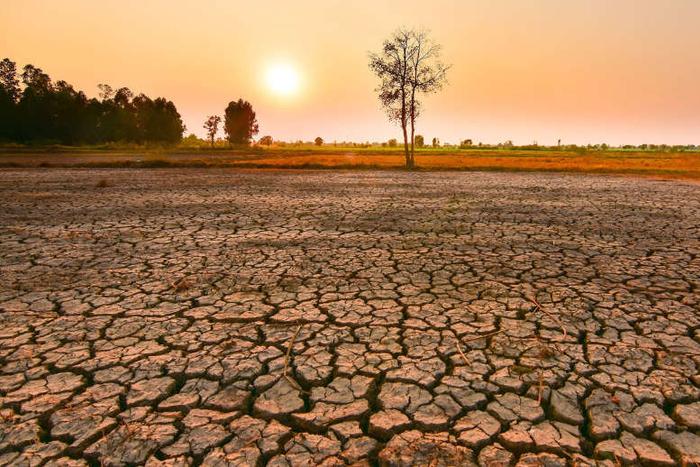
It warned that ‘Super El Niño can cause hotter temperatures, less rainfall, drought, floods and food shortages.’
The agency urged Nigerians to take steps to protect themselves, their families and communities from the potential effects, and outlined eight measures individuals, households and communities can adopt to reduce risks and stay safe.
Looking out for children, the elderly and the vulnerable
On heat, NEMA’s advice begins with the people most at risk. It asks families to check on children, the elderly and vulnerable people, to drink clean water regularly, to avoid direct sun between 11 am and 4 pm, and to wear light clothing and hats and use sunscreen.
The agency also wants people to spend less time under the hot sun. It recommends limiting outdoor activities during peak heat hours (11 am to 4 pm), using shaded areas, wearing a hat or cap, taking regular breaks and staying hydrated. Activities, it says, can be planned for early morning or late evening.
Water, food and income
NEMA asks households to use water wisely and avoid waste, fix leaks, and store water in clean, covered containers. Keeping the environment clean, it says, helps protect water sources.
For food security, the agency advises families to store enough food for emergencies, support local farming and home gardening, protect livestock and poultry, and take advantage of agricultural support programmes.
On livelihoods, it recommends drought-resistant crops and improved farming practices, diversifying income sources, and accessing government and partner support programmes.
Health at home
NEMA urges people to prevent heat-related illnesses and dehydration. It also calls on families to keep their surroundings clean to avoid malaria and water-borne diseases, ensure proper sanitation and handwashing, and seek medical help early when unwell.
Neighbours and information
The agency encourages people to strengthen community action by joining community early warning and preparedness efforts, sharing information with neighbours and families, and looking out for the most vulnerable in their communities.
It also asks Nigerians to stay informed by following updates from NEMA, the Nigerian Meteorological Agency (NiMet) and trusted media channels, heeding official advisories and warnings, and reporting emergencies to NEMA and relevant authorities.
What the forecasters say
El Niño is a natural climate phenomenon that occurs when sea-surface temperatures in the central and eastern tropical Pacific Ocean become warmer than normal. It is the warm phase of the El Niño-Southern Oscillation (ENSO), which also includes the cooler La Niña phase and neutral conditions.
It can disrupt atmospheric circulation and influence rainfall and temperature patterns worldwide, though effects vary by location due to local conditions.
In its Seasonal Climate Prediction Update for August 2026 and the August-September-October 2026 Rainfall Forecast, NiMet stated, ‘Analysis of the most recent ocean observations confirms the onset of a strong El Niño event in 2026.’
It added that ‘El Niño continues to intensify steadily and is expected to dominate global climate patterns during the August to October 2026 season.’
NiMet also described the event as a ‘super El Niño’ with significant implications for Nigeria’s rainfall patterns, and noted that it increases the likelihood of above-normal temperatures globally.


Comments (0)
Please sign in to join the conversation.
Loading comments...