


Period pain, or dysmenorrhoea, as doctors call it, affects millions of women every single month. Yet for something so widespread, it is remarkably under-discussed and, frankly, under-treated. Many women are simply told to take a paracetamol and get on with it. But the truth is, menstrual pain is real, it is physical, and there are very good reasons it happens, along with practical ways to manage it.
What Is Actually Happening Inside Your Body?
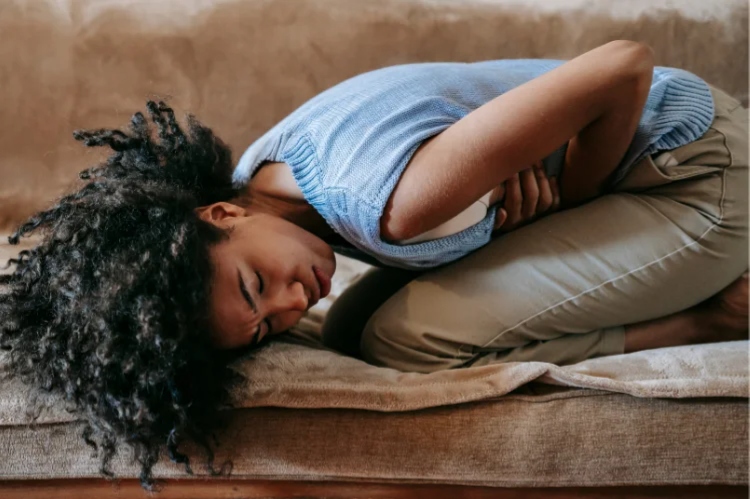
Each month, your uterus prepares for a potential pregnancy by building up its lining. When no pregnancy occurs, the body triggers the shedding of that lining, which we know as a period. To do this efficiently, the uterus contracts. These contractions are caused by chemicals called prostaglandins, which are produced in the lining of the womb.
Metastatic Kidney Cancer and What It Entails
The higher your levels of prostaglandins, the stronger and more painful those contractions tend to be. In some women, the levels are significantly elevated, causing contractions strong enough to temporarily restrict blood flow to the uterus. When muscles are deprived of oxygen, even briefly, they send pain signals. It is, in effect, a muscle cramp from the inside. This is why period pain can feel similar to labour contractions, particularly in the lower abdomen.
The pain does not always stay in one place, either. Because of shared nerve pathways, it can radiate into the lower back, thighs, and hips, which is why period pain can feel so all-consuming rather than neatly localised.
Primary vs Secondary Dysmenorrhoea
There are two distinct types of menstrual pain, and it is worth knowing the difference. Primary dysmenorrhoea refers to the common cramping pain that begins shortly before or at the start of a period, with no underlying condition causing it. It tends to be strongest in the first one to three days of a period and gradually eases. It is caused purely by those prostaglandin-triggered contractions, and it is the most common form, particularly in teenagers and young women.
Secondary dysmenorrhoea, on the other hand, is caused by an underlying medical condition. The most common culprits include endometriosis, where tissue similar to the womb lining grows elsewhere in the body, fibroids (non-cancerous growths in or around the womb), pelvic inflammatory disease, and adenomyosis. Secondary dysmenorrhoea often starts later in life, tends to get worse over time, and may not follow the usual pattern of easing after the first couple of days. If your period pain is severe, worsening, or accompanied by other symptoms such as pain during sex, heavy bleeding, or bloating, it is important to speak with a doctor.
What Actually Works When Trying to Manage the Pain
The good news is that menstrual pain is very manageable for most women, once you understand what works and why. Anti-inflammatory pain relief, such as ibuprofen, is often the most effective first step, precisely because it works by reducing the production of prostaglandins, targeting the very cause of the pain rather than just dulling the sensation. It works best when taken as soon as pain begins, or even slightly before if you know your cycle well. Paracetamol alone is less effective for period pain since it does not have this anti-inflammatory action.
Heat is another genuinely effective remedy. Applying a heat pad or hot water bottle to the lower abdomen helps relax the contracting muscles and improves blood flow to the area. Studies have shown that moderate heat can be as effective as ibuprofen for reducing menstrual cramps, which is reassuring to know when you are reaching for that trusty hot water bottle at midnight.
Gentle exercise like walking, yoga, or light stretching can also make a real difference. Physical movement stimulates the release of endorphins, the body's natural painkillers, and helps reduce muscle tension. It may feel like the last thing you want to do, but even a short, slow walk can take the edge off.
Diet can play a role, too. Foods rich in omega-3 fatty acids, such as oily fish, walnuts, and flaxseeds, have anti-inflammatory properties that may help reduce prostaglandin levels over time. Reducing caffeine, alcohol, and salty foods in the days leading up to your period may also ease bloating and cramping. Staying well hydrated throughout your cycle is a simple but effective habit.
For those whose period pain is significantly impacting quality of life, hormonal contraception, such as the combined contraceptive pill, is often recommended by doctors. It works by thinning the womb lining and reducing prostaglandin production, which in turn reduces the intensity of cramps. The hormonal coil and other hormonal methods can have a similar effect. These are worth discussing with a healthcare professional if the other mentioned options are not providing enough relief.
Never Dismiss Your Own Pain
There is a long history of women's pain being minimised by the medical system, society, and sometimes by women themselves, who have been conditioned to push through. However, severe period pain is not something you simply have to endure. If your pain is affecting your daily life, getting worse with age, not responding to over-the-counter medication, or is accompanied by heavy bleeding, unusual discharge, or pain at other times of the month, please see a doctor. Conditions like endometriosis, which affects roughly 1 in 10 women, are notoriously underdiagnosed, often because symptoms are brushed off as "just bad periods."
Tracking your cycle, noting when the pain starts, how severe it is, and where you feel it, can be enormously helpful when speaking to a healthcare professional. It gives you evidence, and it gives them a clearer picture. Your pain deserves a proper conversation, not a dismissal.
Menstrual pain is common, yes. But common does not mean inevitable, untreatable, or something to simply accept. Understanding why it happens is the first step towards managing it and managing it well.


Comments (0)
Please sign in to join the conversation.
Loading comments...