

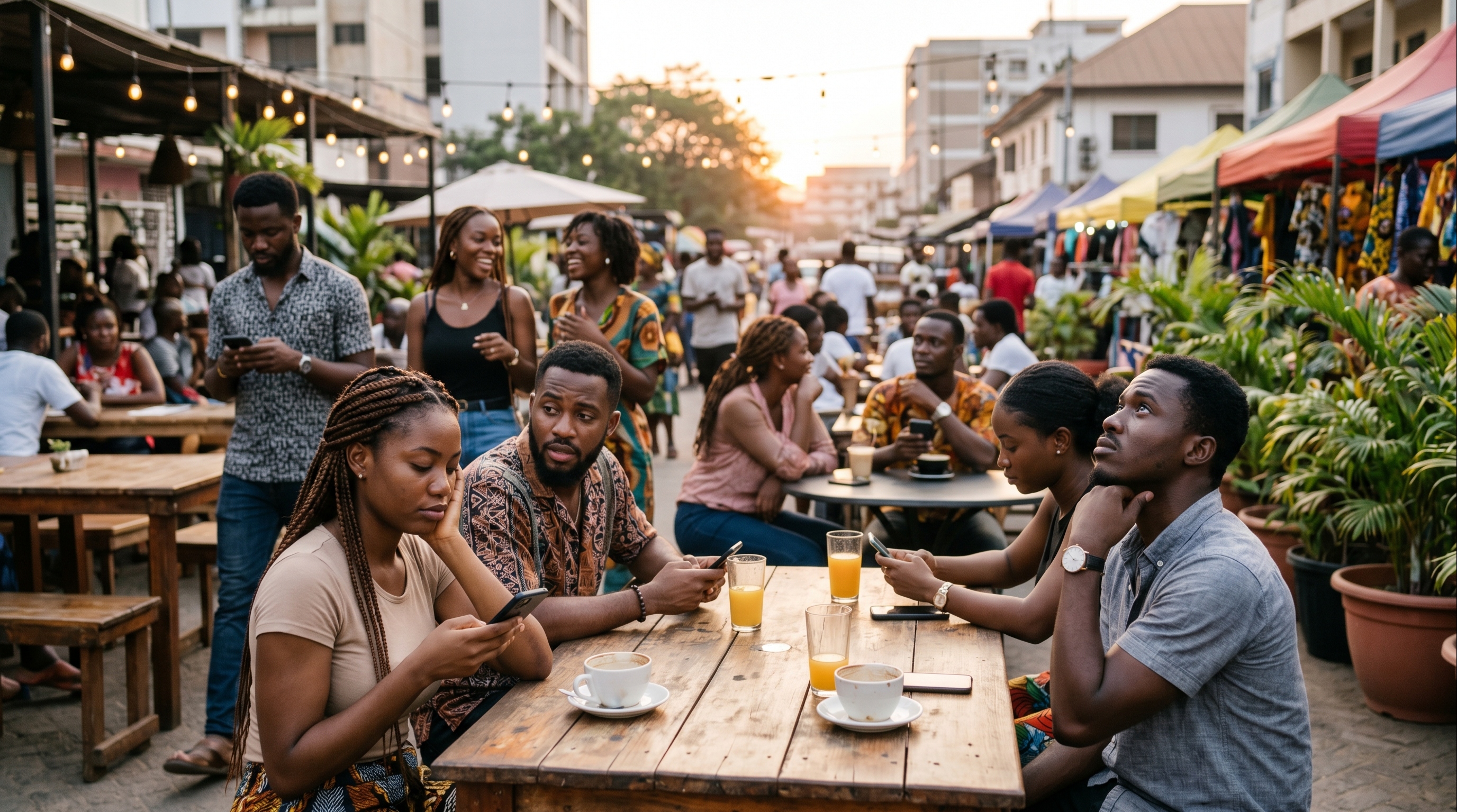
Her friend Moustapha sat beside her on the bench outside the university library, watching her sigh for what felt like the tenth time. "Maybe dating itself is just broken," she muttered, tossing her phone onto her lap.
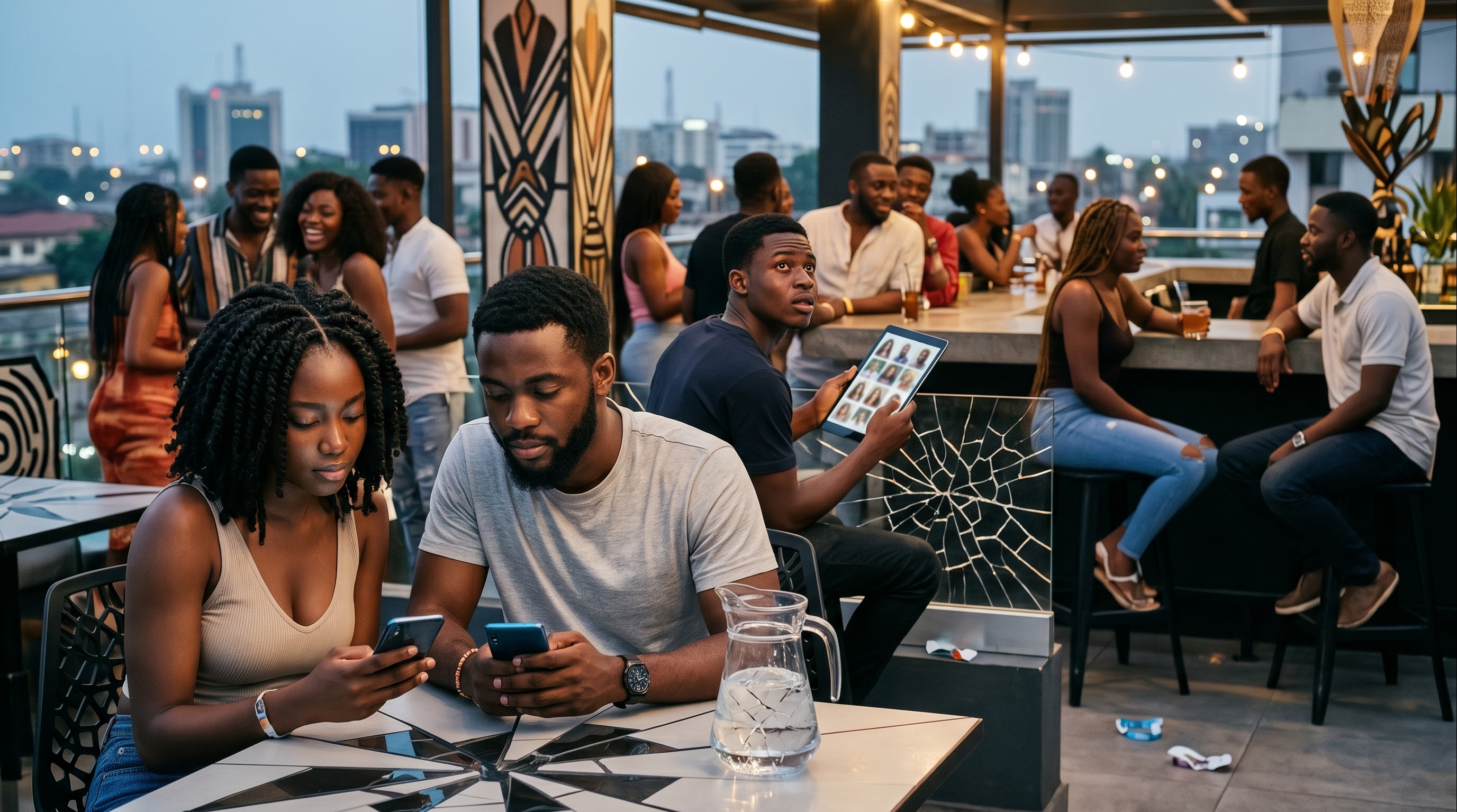
Moustapha laughed lightly, shaking his head. "Or maybe," he said, picking his words carefully, "we're the ones doing it wrong, and we're blaming the system for our own approach."
Fatou raised an eyebrow, half amused, half irritated, but curious enough to ask him to explain.
Before going further, it helps to separate the two ideas in that headline, because they're often treated as the same thing when they're not.
"Modern dating is broken" suggests that the systems, apps, and social norms around dating are fundamentally flawed, regardless of who's using them.
"We're dating wrong" suggests that the tools and opportunities exist, but the way many people approach dating, emotionally and behaviourally, undermines the outcomes they're hoping for.
Both have some truth to them, but only one of them is something you can actually do something about, and that's worth sitting with for a moment.
Let's give credit where it's due because some things about modern dating genuinely make it harder than it used to be. The sheer volume of choice, for one, creates what's sometimes called "decision fatigue," where having access to hundreds of potential matches makes it harder to invest meaningfully in any one person, because there's always a sense that someone "better" might be one swipe away.
Dating apps, while useful, often reduce people to a few photos and a short bio, encouraging snap judgments that don't reflect who someone really is. And the culture of instant communication has, paradoxically, made some people less patient with the slow, sometimes awkward process of actually getting to know someone.
These are real structural issues, and acknowledging them isn't being dramatic.
While the dating landscape has its flaws, many of the heartbreaks and frustrations people experience come down to approach, not just circumstance. This isn't about blaming; it's about recognising that sometimes, the tools aren't the problem, but how we're using them quietly shapes the results we get.
One of the most overlooked differences between people who find dating frustrating and those who find it manageable is intention.
Dating with purpose means being honest with yourself about what you're looking for, and communicating that honestly when it's relevant. Dating to pass time, on the other hand, often involves going through the motions without much reflection, swiping or chatting simply because it's available, and then feeling confused when the experience feels empty.
Dating itself isn't the problem; dating without knowing what you actually want often is.
A lot of heartbreak in modern dating doesn't come from the apps or the systems, it comes from two people operating with completely different expectations without realising it. One person might be enjoying a connection casually, while the other is quietly building a future in their mind, and neither says anything until the mismatch becomes painfully obvious.
The heartbreak isn't because dating is broken; it was because expectations were never discussed, and assumptions filled the silence instead.
Addressing this is about checking in with reality every once in a while, so you're not building a relationship in your head that doesn't exist anywhere else.
Young people raised with strong moral and behavioural values, dating can sometimes feel like navigating two worlds.
Your values aren't an obstacle to good dating; they're actually your filter. Respecting yourself enough to not chase people who show clear disinterest, being honest about your intentions instead of playing games, and treating people kindly even when things don't work ou
One of the biggest shifts that helps people enjoy dating more is separating the experience from the outcome. Not every date needs to lead to a relationship to be worthwhile.
This simply means not placing the entire weight of your self-esteem on whether one specific person chooses you.
Heartbreak often has patterns, and recognising them is one of the most empowering things you can do for yourself.
Maybe you consistently ignore early signs of inconsistency because you don't want to "overthink it." Maybe you find yourself drawn to people who are emotionally unavailable, mistaking the chase for chemistry. Maybe you avoid asking important questions early because you're afraid the answers might end things before they begin.
These patterns are simply signals worth paying attention to.
There's a real pressure, especially online, to date in ways that align with trending behaviours of casual, non-committal, emotionally guarded, often dismissive of "old-fashioned" values like patience or clarity.
But just because something is trending doesn't mean it aligns with who you are or what you actually want. If you were raised with values that emphasised honesty, respect, and intentionality, those values don't become irrelevant just because dating culture has shifted around them.
Choosing to date in a way that aligns with your values isn't "behind the times." It's choosing integrity over imitation, and that choice often leads to far healthier experiences, even if it means dating looks a little different for you than it does for others.
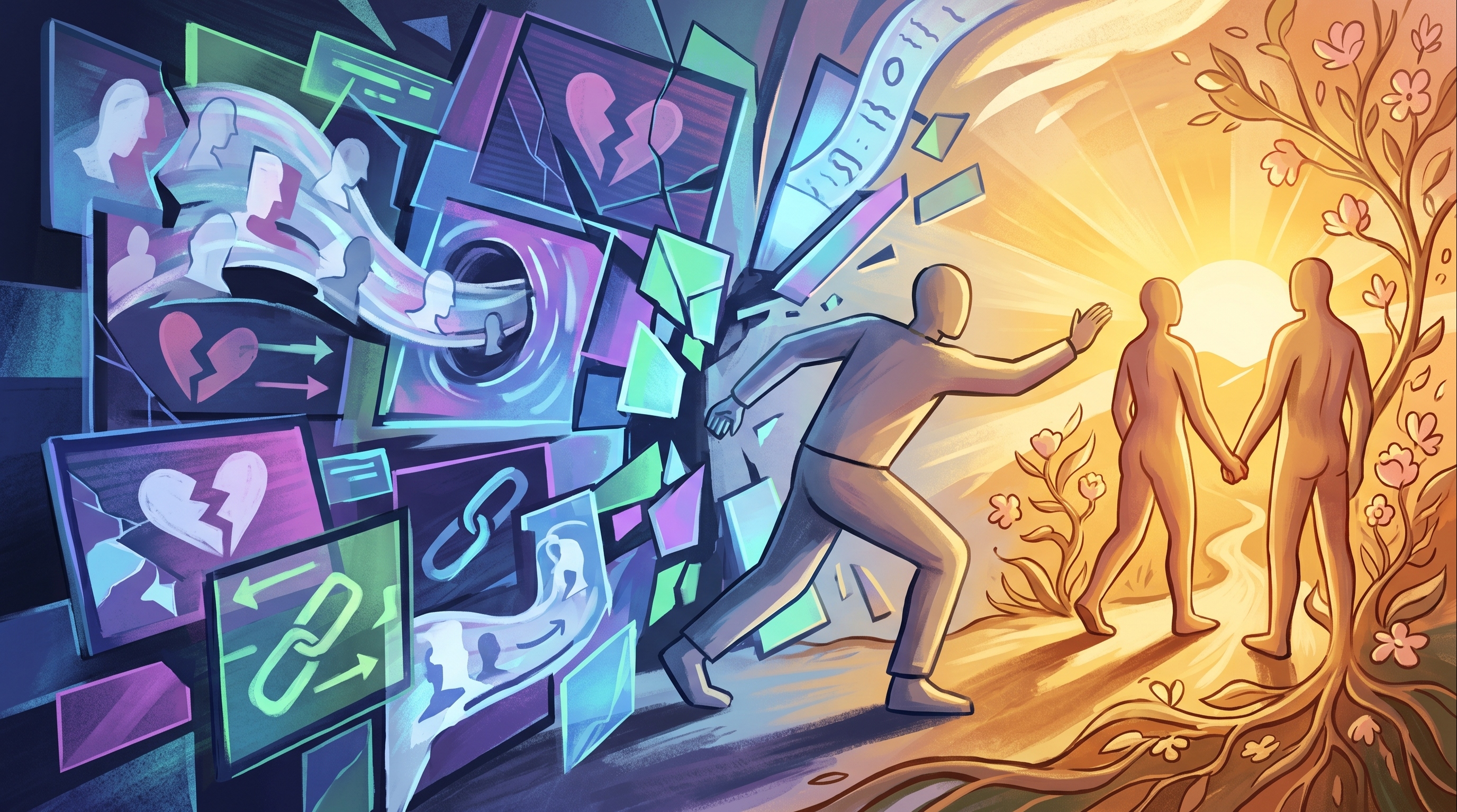
So, is modern dating broken, or are we dating wrong?
How you show up within that landscape is something you have influence over.
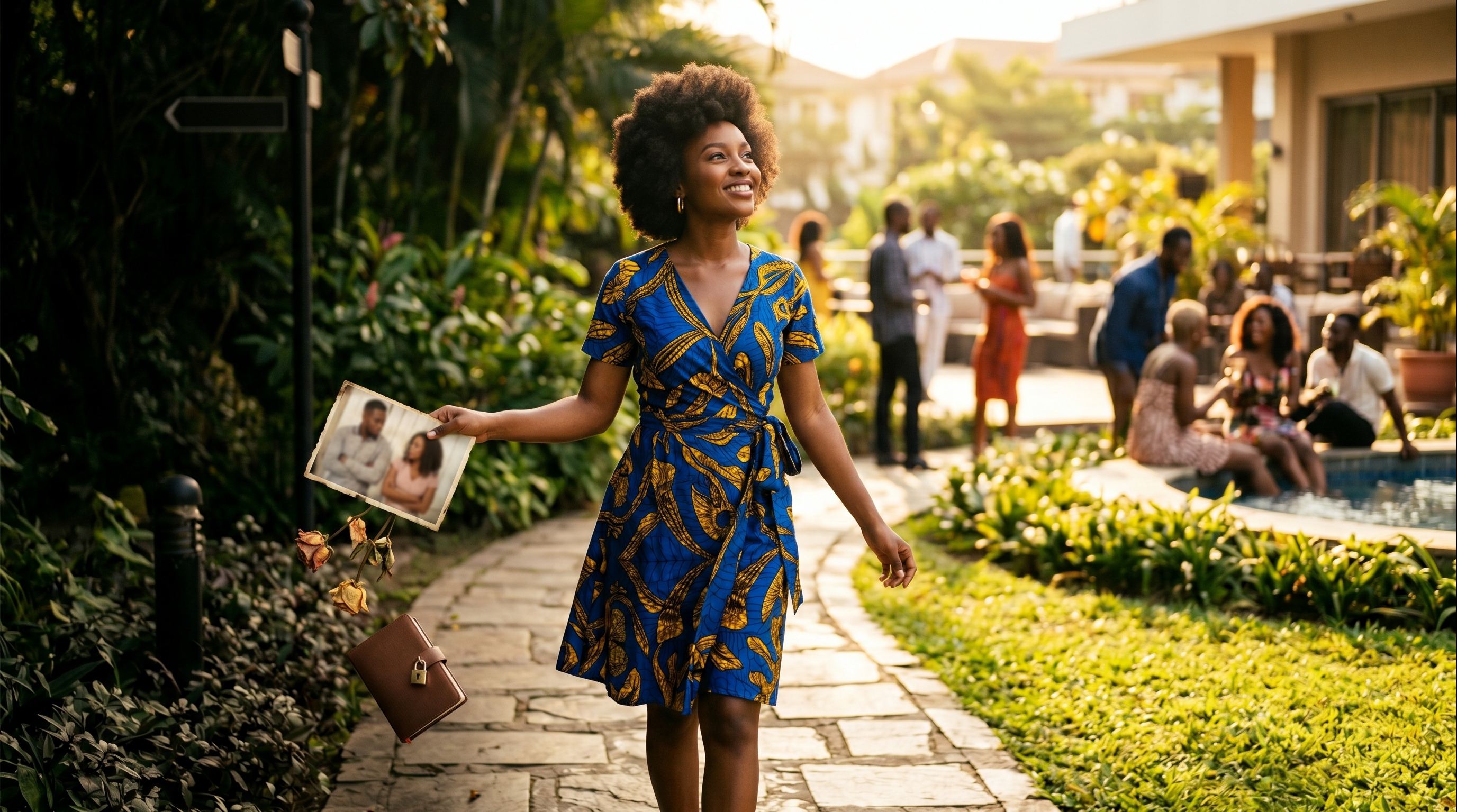
Dating doesn't have to be a minefield of heartbreak if you approach it with clarity about what you want, honesty about who you are, and enough self-respect to walk away from anything that asks you to abandon your values.
You're doing it right by staying thoughtful enough to keep learning.
Comments (0)
Please sign in to join the conversation.
Loading comments...