

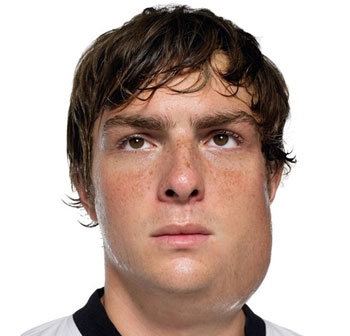
Just imagine this. You wake up one morning and the sides of your face feel strangely puffy, almost as though someone has tucked a golf ball under each cheek whilst you slept. Chewing hurts. Swallowing isn't much fun either. You might have a fever, feel completely drained, and struggle to get out of bed.
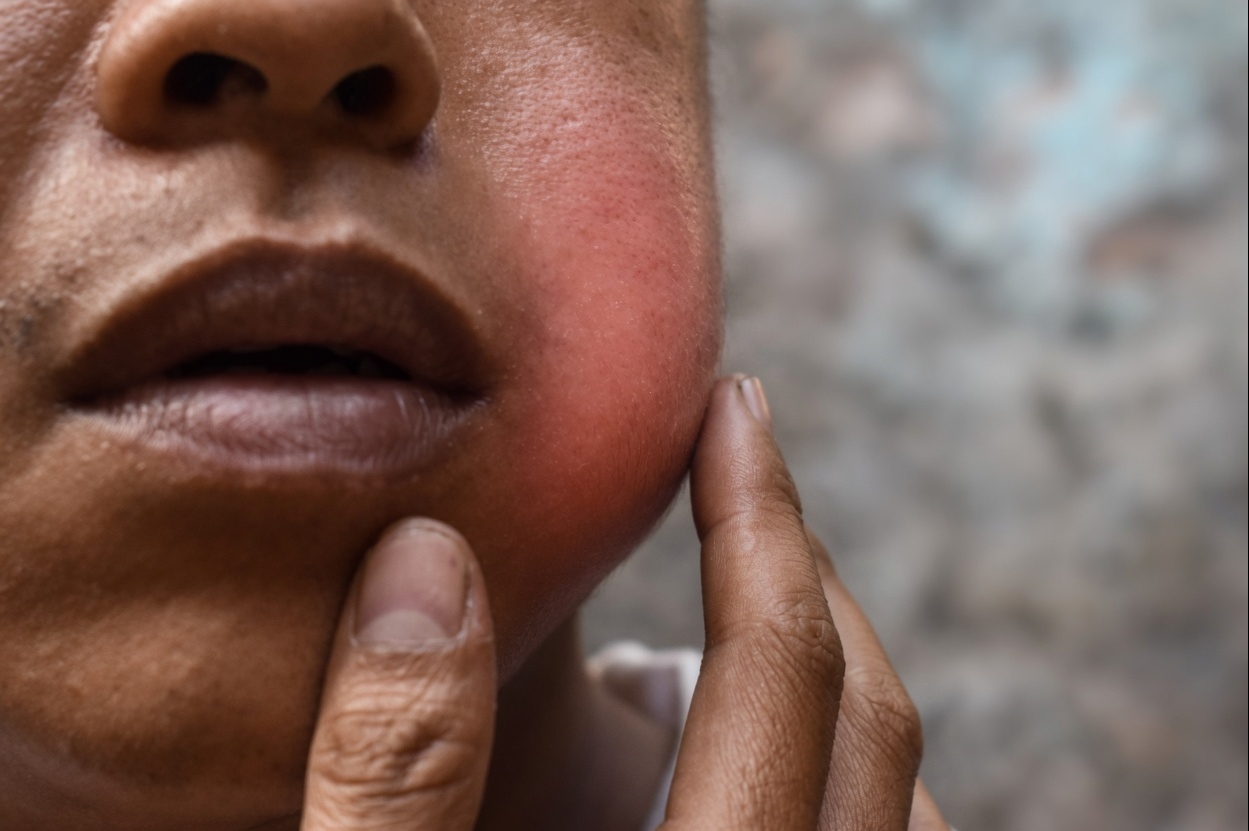
Welcome to the uncomfortable world of mumps, a viral illness that many people assumed had disappeared for good, but which continues to catch people off guard.
So, What Exactly is Mumps?
Mumps is a contagious viral infection caused by the mumps virus, which belongs to a family of viruses called paramyxoviruses. It spreads very easily from person to person through tiny droplets of saliva; the kind released when someone coughs, sneezes, or simply talks close to you. It can also survive on surfaces for a short while, meaning touching a contaminated object and then touching your mouth or nose is enough to pick it up.
The virus most famously targets the parotid glands. That is, the saliva-producing glands that sit just in front of and below each ear. When these become inflamed and swollen, they produce that distinctive chipmunk-cheeked appearance that mumps is so well known for.
The illness typically begins with a couple of days of feeling off with symptoms like a mild fever, tiredness, headaches, and loss of appetite. Then the swelling comes. It may affect one side of the face first before moving to the other, or both sides may swell at the same time. Not everyone gets the classic swollen cheeks, though. In some cases, the symptoms are so mild that people do not realise they have had mumps at all. This is actually a concern because it means they can still pass the virus on to others without knowing it.
Who Gets Mumps?
Mumps can technically infect anyone who has not been vaccinated or who has not previously had the illness. However, certain groups are more likely to be affected. Historically, it was considered a childhood illness, and before vaccination programmes began, most children caught it before the age of ten.
Today, many of the people who develop mumps are teenagers and young adults, particularly those who missed one or both doses of the MMR (measles, mumps and rubella) vaccine during childhood. University students living in close quarters are especially vulnerable, which is why outbreaks sometimes flare up in halls of residence and student bars.
Adults who were never vaccinated or who received only one dose of the MMR jab are also at risk. Interestingly, some adults who were vaccinated in the 1980s with an older, less effective version of the mumps vaccine may find their immunity has waned over time. Immunity naturally decreases as the years pass, which is part of why mumps continues to circulate rather than disappearing entirely.
What Are the Complications?
For most healthy children, mumps is unpleasant but manageable. For adults, however, the complications can be considerably more serious. One of the most talked-about complications is orchitis, painful inflammation of one or both testicles in men, which occurs in roughly one in five adult males who develop mumps. Whilst it rarely causes complete infertility, it can cause long-term discomfort and some reduction in fertility. Women can develop oophoritis, a similar inflammation of the ovaries, though this is less common.
Mumps can also lead to viral meningitis (inflammation of the membranes surrounding the brain and spinal cord), pancreatitis (inflammation of the pancreas), and in rare cases, permanent hearing loss in one ear. These are not common outcomes, but they are serious enough to warrant taking the virus and vaccination seriously.
How Is Mumps Treated?
Here is something that surprises many people. There is no specific antiviral medicine that targets the mumps virus. This is because it is a viral infection, not a bacterial one. So, antibiotics are completely useless against it. Treatment is therefore focused on making the person feel as comfortable as possible whilst the body fights off the virus on its own.
Rest is the most important thing. The body needs all its energy to mount an immune response, so staying at home and avoiding activity is strongly advised. Paracetamol or ibuprofen can help bring down a fever and ease the pain in the swollen glands. Drinking plenty of fluids is essential, particularly if swallowing is difficult. In this case, cold drinks and soft foods tend to be easier to manage. Also, applying a warm or cold flannel to the swollen area can bring some relief too. Most people recover fully within one to two weeks.
Crucially, anyone with mumps should stay away from school, work, or any shared spaces for at least five days from when the swelling begins, to prevent spreading the virus further.
The One Thing that Actually Works
The MMR vaccine is the single most effective tool against mumps. Given in two doses, usually at twelve to thirteen months and then again at three to four years old, it provides strong, long-lasting protection against all three diseases. If you or your child missed these doses, it is never too late to catch up.
Conclusion
Mumps may not make the headlines as often as other illnesses, but it remains a real and present risk, particularly for those without full vaccination. The good news is that protecting yourself and your family is straightforward. Check your vaccination records, speak to your doctor if you are unsure, and remember that prevention will always be better than cure.
Two small jabs in childhood. That's all it takes to protect yourself from a virus that can leave adult men in serious pain, damage fertility, and in rare cases, cause permanent hearing loss.


Comments (0)
Please sign in to join the conversation.
Loading comments...