

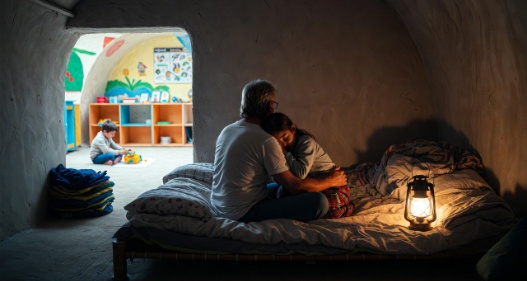
War brings sudden, shattering loss. Families lose parents, children, siblings, or entire homes in moments of violence. The grief is deep and mixed with trauma from fear of explosions, guilt for surviving, or endless worry about the missing.
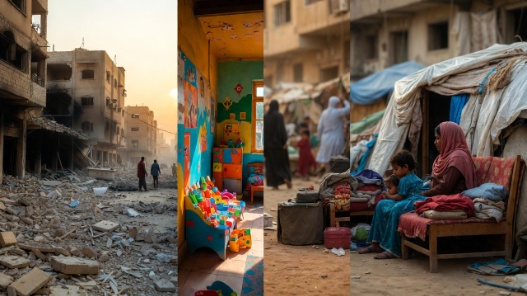
The Heavy Weight of Grief in War
Loss in armed conflict is rarely “normal” bereavement. It often comes without warning, bodies may never be found, or funerals become impossible amid danger. Parents mourn children killed in strikes; children lose parents who were their main protectors. This creates traumatic grief stemming from intense sorrow tangled with flashbacks, nightmares, and anger.
Studies show that survivors face higher risks of prolonged grief disorder, depression, anxiety, or even physical illness that lasts for years. For every person killed, several relatives (parents, children, siblings) carry the pain lifelong. In high-intensity conflicts, entire communities bear these scars, sometimes changing how societies view justice, revenge, or hope.
Children feel it sharply. They may withdraw, act out, or cling tightly to remaining family. Young ones struggle to understand why someone vanished; older ones struggle with guilt or fear of more loss. Parents, exhausted and grieving themselves, must still provide safety and routine, usually while displaced in camps or shelters.
Ways Families Find Strength to Cope
Families draw on practical and emotional tools to survive. Many lean on the following:
Family Bonds. Surviving members pull closer to share stories of the lost one, cooking favourite meals, or keeping small rituals alive. Parents protect surviving children fiercely, sometimes over-protecting to avoid further pain. In some cultures, families honour the dead by preserving memories, like telling tales or holding quiet remembrances. This “continuing bond” helps keep the person present without constant agony.
Community and Faith. Neighbours share food, watch children, or listen without judgment. Religious beliefs, seeing loss as “God’s will” or a test, give meaning. Groups pray together, sing, or help with daily tasks. In refugee settings, women’s circles or elder-led talks ease isolation.
Psychosocial Help. This makes a real difference when available. Organisations like UNICEF and Save the Children run Child-Friendly Spaces or family groups where people talk openly, play, or learn calming skills like breathing exercises. In Ukraine, “Hope Groups” help caregivers manage stress, improve parenting, and reduce harsh responses toward children. Simple actions like drawing feelings, storytelling, or group games let grief surface safely.
Hope and Purpose. Parents usually focus on giving surviving children a better future: school, safety, or small joys. Some channel pain into helping others, like volunteering in camps. Staying connected to distant relatives through calls or messages also reminds families they are not alone.
Taking Deliberate Steps Toward Healing
Coping takes time and patience. Families benefit from routines like regular meals, sleep, exercise and even play. Talking openly when safe helps as well. Caregivers must care for themselves too, because a supported parent supports children better.
Of course, challenges remain. They include limited aid, stigma around mental health, or ongoing danger. Yet evidence shows that humans are remarkably resilient. With community, faith, and gentle support, many families can rebuild meaning. Grief never vanishes, but it can soften, allowing space for laughter, dreams, and life again.

Comments (0)
Please sign in to join the conversation.
Loading comments...