

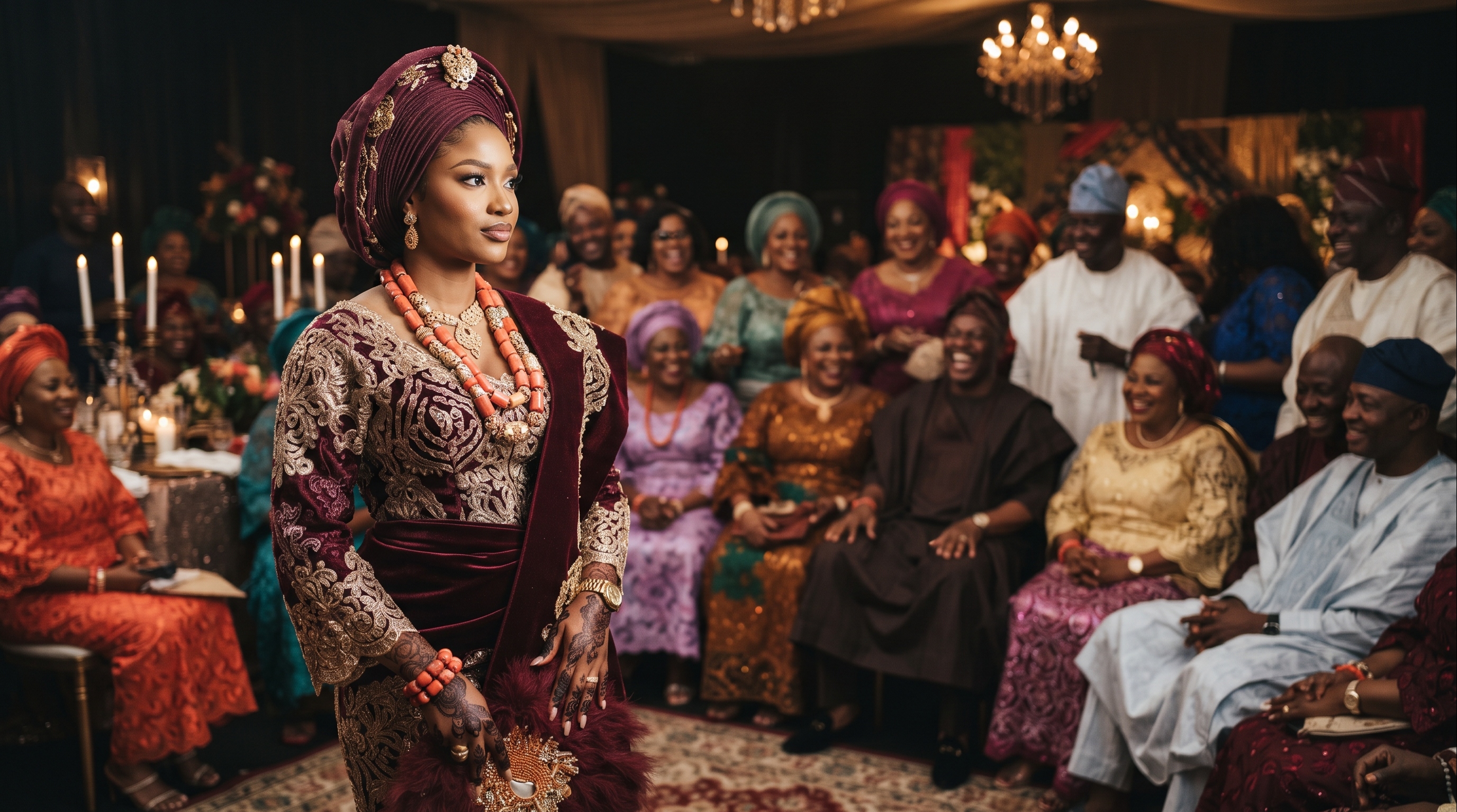
Zainab was 26 when she got engaged to Farouq, and she was, by every visible standard, ready. She had a stable income, a beautiful wardrobe, a carefully curated Instagram aesthetic that made her life look like a soft-launch ad for domestic bliss, and a very detailed vision board pinned above her reading desk at home in Kaduna.
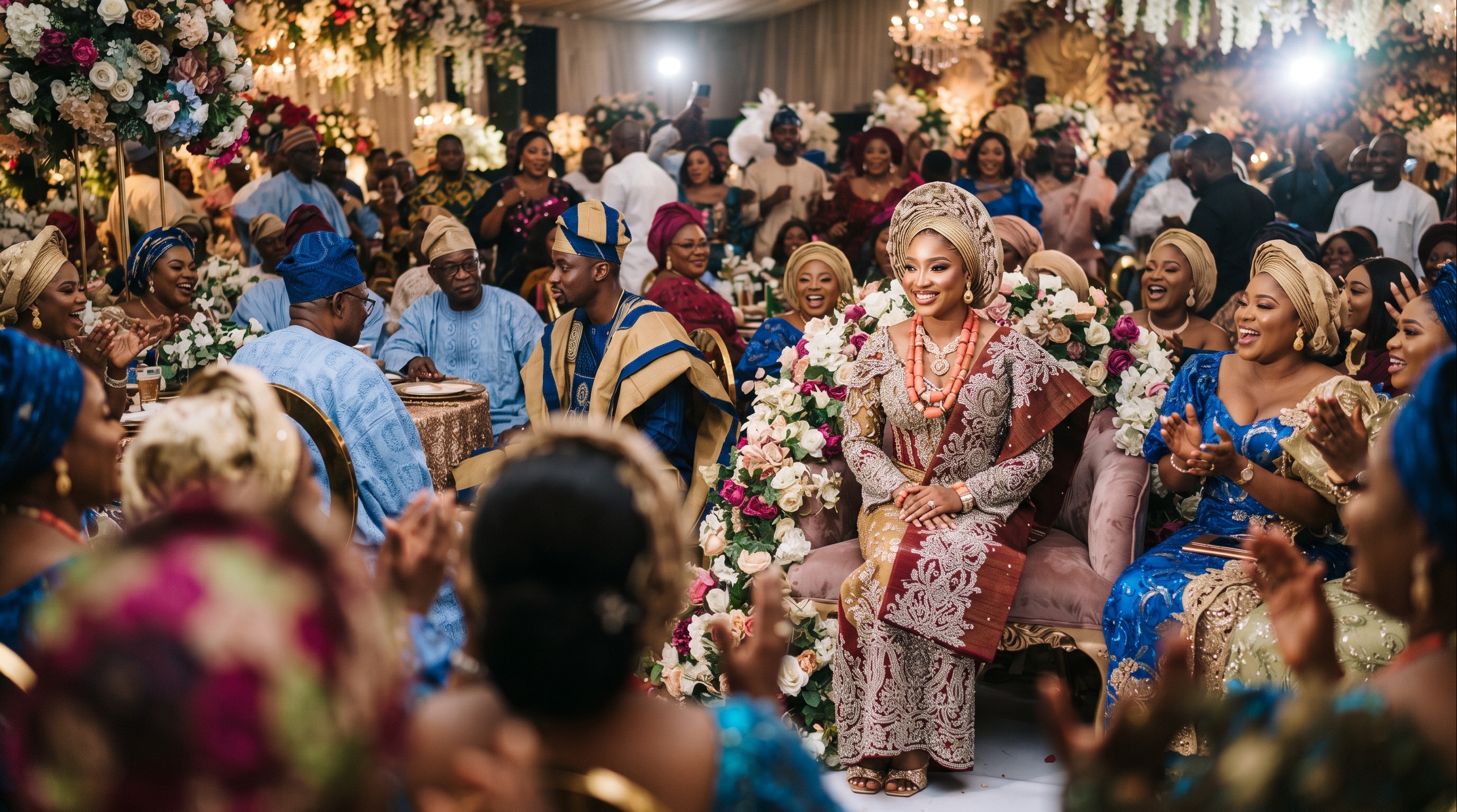
Her mother had taught her how to cook tuwo shinkafa the way Farouq’s family liked it. Her aunties had whispered all the right things in her ear at family gatherings. Her friends screamed at her engagement photos. Everything looked ready.
And yet, eight months into their marriage, Zainab realised with quiet, unsettling clarity that she had prepared for the wedding and not for the marriage.
She knew how to set a table but not how to hold a hard conversation. She knew how to plan a future but not how to sit inside uncertainty with someone else. She had packed beautiful things into her bags for this journey and left behind most of what she actually needed for the road.
Being ready for marriage and being equipped for marriage are two entirely different things.
Readiness is visible: a certain age, a certain income level, a certain social milestone.
Equipment is internal.
It’s the stuff you carry inside you, the emotional, psychological, and practical architecture that determines not just whether you get into a marriage, but whether you can actually thrive inside one.
Zainab had readiness in abundance. What she lacked was equipment, and no engagement party can supply that for you.
Equipment One: Self-Knowledge That Goes Beneath the Surface
You need to know yourself, not the version of yourself that shows up at your best, but the version that appears when you’re stressed, when you’re disappointed, when you feel unseen, when old wounds get quietly activated by something a partner says or does.
This kind of self-knowledge comes from honest self-reflection, sometimes from therapy, often from journaling, and always from being willing to ask yourself hard questions and sit with the uncomfortable answers.
Marriage doesn’t let you leave that easily, and that’s not a flaw in marriage but an invitation to grow in ways you couldn’t while the exit was always available.
Know your triggers. Know your attachment patterns. Know what love looked like in your childhood home and how that shaped what you expect love to look like today.
Equipment Two: Emotional Regulation, Not Just Emotional Expression
There’s a widespread misconception that emotional readiness means being comfortable expressing your feelings, and while expression matters, regulation matters far more.
Emotional regulation is the ability to feel something intensely and still choose how you respond to it.
This is a skill gap, and skills can be learned.
Before you marry, practice sitting inside discomfort without immediately acting on it. “I feel dismissed” lands differently from “I feel angry”, and both land differently from silence.
Practice the pause that lives between feeling and response.
Equipment Three: Financial Honesty and Literacy
We are going to talk about money because money is the conversation most singles are still avoiding, even as they plan weddings with impressive budgets.
Financial compatibility in marriage is about having compatible values around money, and that requires honest, early, and detailed conversations.
Do you know your own spending habits and what drives them?
Do you know what debt you’re carrying into a marriage?
Do you know how you feel about shared accounts, about financial dependence, about what happens if one partner’s income disappears?
Have the conversation while it’s still calm. Build the financial self-awareness now.
Equipment Four: The Ability to Repair, Not Just Avoid
The quality of a marriage can also be measured by how well both people repair after conflict occurs.
The ability to return to each other after a rupture, to apologize with specificity rather than just saying “I’m sorry if you were upset,” to ask what the other person needs rather than assuming you already know, to forgive in a way that doesn’t weaponize the memory of past mistakes are skills, built through practice, and they need to begin forming before you marry.
Equipment Five: A Relationship With Your Own Loneliness
Before you marry, you need to develop a healthy, peaceful, non-anxious relationship with being alone.
If the primary engine driving you toward marriage is the fear of being lonely, you will import that fear directly into your marriage, and it will shape every dynamic inside it.
Marriage should be a choice you make from fullness, not a rescue you run toward from emptiness.
The ability to sit with yourself, to enjoy your own company, to build a meaningful life as a single person while remaining genuinely open to partnership is the foundation of a healthy one.
You have time.
Use it deliberately.
The equipment you build now will prepare you for the full, rich, difficult, extraordinary life that marriage, at its best, makes possible.

Comments (0)
Please sign in to join the conversation.
Loading comments...