

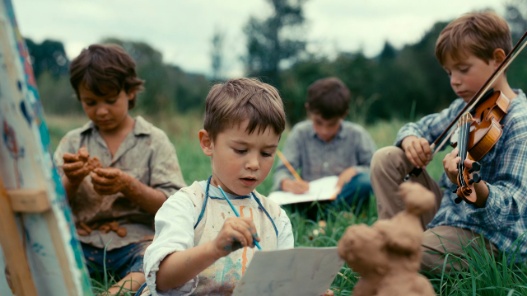
Picture being a kid again, sitting at the family table. The air feels thick with things nobody says. Someone’s upset, someone’s quiet, someone’s trying too hard to laugh. Without anyone handing you a part to play, you just step into one.

You may be the one who fixes things before they break. Or the one who stays small and agreeable so that the storm passes more quickly. Perhaps you’re the spark that draws every eye (good or bad) so that the spotlight never lands where it hurts most. Or maybe you’re the quiet proof that everything is actually fine, thank you very much.
No one announced the roles. No script was passed around. Yet somehow, year after year, you learned the lines by heart. You got good at them. Too good.
Here’s the quiet twist most of us don’t notice until much later. Those childhood parts don’t vanish when you grow up. They simply change costumes. They slip into your adult friendships, your love stories, your late-night thoughts, whispering the same old cues.
Ultimately, you keep performing them even long after the original audience has left the room.
Let's look at some of these roles and how they originate.
The Responsible One (a.k.a Hero)
It is often the oldest child. This person steps up to help with chores, look after siblings, or achieve success to make the family look stable. It starts when parents lean on them too much or when the home feels chaotic. They learn early that being reliable earns love and approval.
The Peacemaker
This child works hard to keep the peace. They avoid arguments, agree with others, or try to calm everyone down. It often begins in homes with frequent rows or emotional ups and downs. The peacemaker puts others’ feelings first to stop things from getting worse.
The Black Sheep (a.k.a Scapegoat)
This is the one blamed for family problems. They might rebel, act out, or simply be different. The role forms when the family needs someone to point at instead of facing their own issues. Being the “problem” child diverts attention from deeper troubles.
The Golden Child
Often seen as perfect, this child gets praise and special treatment. They succeed at school, sports, or behaviour to uphold the family image. It starts when parents put high expectations on one child to prove that everything is fine.
How These Roles Affect Us as Adults
The labels we carry from childhood don’t just disappear. They influence our identity and relationships long after we leave home.
The responsible one may grow into an adult who overworks, struggles to ask for help, or feels guilty when things go wrong. They often attract partners who need “fixing”.
The peacemaker might become a people-pleaser, avoiding conflict even at the expense of their own needs. This can lead to resentment, anxiety, or feeling invisible in friendships and romance.
The black sheep may carry deep shame, feel like an outsider, or repeat rebellious patterns. They might push people away or struggle with trust.
The golden child can turn into a perfectionist, tying self-worth to achievements. Failure feels crushing, and they may hide their real emotions to stay “perfect”.
In relationships, these old roles replay. You might choose partners who fit the family script or react in ways that echo your childhood patterns.
Breaking Free from Unscripted Roles
The good news is that these roles are not who you really are. They are habits learned long ago. You can change them with awareness and effort. Here are some helpful tips.
1. Recognise your role. Reflect on your childhood. Ask: What job did I do in the family? How does it show up now? Journaling or talking with a trusted friend helps.
2. Challenge old beliefs. Notice thoughts like “I must fix everything” or “I’m always the problem”. Replace them with kinder truths: “I deserve help too” or “My worth isn’t tied to perfection”.
3. Set boundaries. Practise saying no, expressing your needs, or stepping back from family drama. Boundaries protect your peace and let others take responsibility.
4. Build self-awareness. Therapy is very helpful, especially approaches like family systems or CBT (Cognitive Behavioural Therapy). It helps unpack the past and practise new ways of being.
5. Connect authentically. Surround yourself with people who see the real you. Allow yourself to be imperfect, vulnerable, and supported.
Breaking free takes time and patience. You may slip back into old patterns during family visits, so don’t be too hard on yourself. However, each small step you take builds a stronger sense of self.
You are more than the role you played as a child. Therefore, understanding these silent labels can help you choose who you want to be today.



Comments (0)
Please sign in to join the conversation.
Loading comments...